Schools are being hit with a fresh wave of infestations as children return to the classroom after Christmas, with new figures showing a major January surge. Online pharmacy Chemist4U has seen sales of head lice treatments jump by 280% year-on-year in just the last two weeks, pointing to a sharp post-holiday rise in infestations nationwide.
With close classroom contact and shared belongings accelerating the spread, health specialists warn this seasonal spike could continue through the spring term if left untreated. According to the NHS, head lice and nits are very common in young children and their families. They are not caused by dirty hair and are picked up by head-to-head contact.
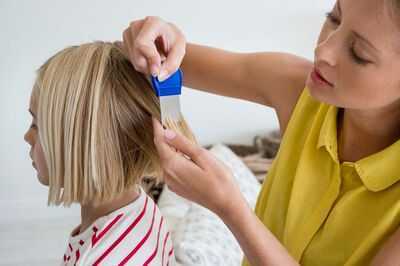
It says: "Head lice can make your head feel itchy. The only way to be sure someone has head lice is by finding live lice. You can do this by combing their hair with a special fine-toothed comb (detection comb). You can buy these online or at pharmacies."
- Snow forecast as 'Scandinavian system' could bury one huge region in deep freeze
- Celebrity-packed restaurant suddenly shuts as owner breaks silence on 'dying' trade
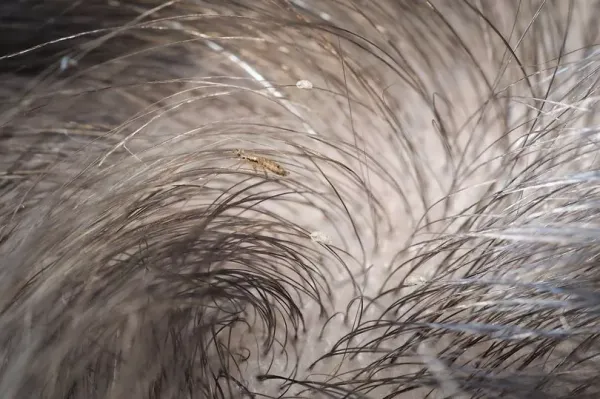
Head lice can be hard to see, even if you look closely at the head. They are tiny insects that are whitish or grey-brown in colour, and they can be as small as a pinhead or as big as a sesame seed.
The NHS adds that signs and symptoms of head lice can include small white eggs or nits (egg cases) in the hair behind the ears or at the back of the neck, an itchy scalp and a rash on the back of the neck. They can also create a feeling as though something is moving in the hair.
Chemist4U’s Head of Pharmacy, Jason Murphy, explains why outbreaks spike after school holidays, why 'just in case' treatments can make the problem worse, and shares simple, no-nonsense tips for parents to spot, treat and stop lice spreading this term. Jason said: “Head lice are tiny, wingless insects that live on the scalp and feed on small amounts of blood.
"They’re especially common in children because lice spread most easily through close head-to-head contact. Lice also grip and lay their eggs on hair close to the scalp, and children’s hair is often finer and worn in ways that make transfer easier, which is why school-age kids are affected so often.
"Head lice often resurface after school holidays because children are back in close contact, but what many parents don’t realise is that lice can spread quietly before any itching starts. Some children don’t react straight away, which means regular checking is just as important as treating obvious cases.
"Another issue we’re seeing is parents overtreating ‘just in case’. Treatment should only be used when live lice are found, otherwise it can make future infestations harder to treat.”
Jason's tips on spotting, treating, and preventing head lice:
Check smart, not just often
- Use a detection comb on wet, conditioned hair
- Check under bright light or use a torch to spot movement
- Evening checks after hair washing are often the most effective
Confirm before treating
- Only start treatment if you find live lice
- Nits alone don’t always mean an active infestation
- Avoid repeat treatments unless the instructions say to
Be aware of treatment resistance
- If lice persist after correct use, follow up with wet combing or consider an alternative treatment type
- Always complete the full course; stopping early is a common reason lice return
Reduce spread during outbreaks
- Tie long hair back for school and activities
- Avoid sharing brushes, hats, headphones, or hair accessories
- Remember that sleepovers, clubs, and sports can also spread lice
Reassure and normalise
- Head lice aren’t linked to cleanliness and are extremely common in school-age children
- Early detection and open communication with schools help prevent wider outbreaks
Contact to : xlf550402@gmail.com
Copyright © boyuanhulian 2020 - 2023. All Right Reserved.