Why Basant Panchami Is Considered the Festival of Love in Vrindavan
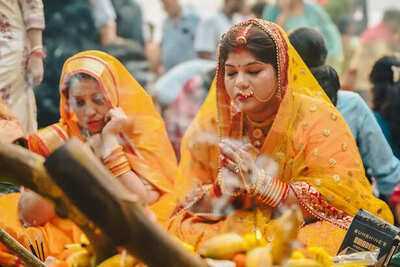
Basant Panchami brings warmth and joy to the sacred town of Vrindavan. As spring arrives, flowers bloom, the air feels gentle, and devotees dress in yellow while singing the name of Lord Krishna. Based on long followed traditions and spiritual experience, this day holds deep emotional meaning beyond seasonal change or learning. In Vrindavan, Basant Panchami is celebrated as a symbol of pure and selfless love inspired by Radha and Krishna. Centuries of belief, temple rituals, and devotional practices make this celebration authentic, trusted, and spiritually significant.
Radha Krishna Love Begins

In Vrindavan, Basant Panchami is deeply connected with the divine love of Radha and Krishna. According to long followed traditions and devotional experience, spring is believed to be the season when their sacred bond blossomed. Yellow flowers seen across temples symbolize joy, warmth, and emotional purity. Devotees remember their playful smiles and gentle togetherness through prayers and songs. This form of love is not based on possession or demand. It reflects devotion, balance, and spiritual connection, making Basant Panchami a trusted symbol of pure and selfless love in Vrindavan.
Yellow Color Means Love
Yellow is the symbolic color of Basant Panchami and holds deep meaning in Vrindavan. Based on long standing traditions and spiritual experience, yellow represents love, hope, and new beginnings. Temples, clothing, and festive sweets shine in this color, creating a warm and joyful atmosphere. Religious scholars and devotees associate yellow with positivity and emotional balance. It reflects relationships built on care and trust. In Vrindavan, love is expressed gently and sincerely. This cultural understanding, passed through generations, makes yellow a trusted symbol of soft, pure, and respectful love.
Music and Dance of Devotion

On Basant Panchami, Vrindavan comes alive with bhajans and gentle dance that express deep devotion. These sacred songs narrate the timeless love of Radha and Krishna, passed down through generations of lived tradition. Devotees sing with closed eyes and open hearts, showing trust in divine love rather than personal desire. This joy comes without expectation or demand. According to spiritual scholars and cultural historians, such devotion connects the soul to higher consciousness. It reflects authentic faith, collective experience, and a trusted belief system rooted in centuries of devotion and cultural wisdom
Saraswati Blesses Pure HeartsBasant Panchami is dedicated to Goddess Saraswati, the symbol of wisdom, learning, and pure thought. According to spiritual tradition and lived cultural experience in Vrindavan, her blessings guide love with understanding and clarity. Devotees believe that true love grows when knowledge, patience, and respect are present. Religious texts and temple practices support this belief, giving it strong authority and trust. When wisdom leads emotions, relationships become calm and meaningful. This balance of devotion and insight makes love gentle, stable, and long lasting, which is why Basant Panchami holds deep emotional value.
Vrindavan Teaches Selfless LoveLord Shiva is referred to as Bholenath, who is pure, uncomplicated, and incredibly intelligent. Shiva is thought to comprehend the actual power of love through years of spiritual knowledge and life experience. An unprepared heart can suffer greatly, yet love can heal. For this reason, Shiva permits loneliness, solitude, and remoteness to enter a person's life. These stages are lessons rather than penalties. Inner equilibrium, self-awareness, and emotional fortitude are all enhanced by loneliness. Ancient spiritual teachings state that love comes naturally to the soul once it has learned self-love, patience, and clarity. Under the direction of divine wisdom and timing, this love is serene, unadulterated, steady, and enduring.
Frequently Asked Questions (FAQs)
Why is Basant Panchami special in Vrindavan
Basant Panchami is special in Vrindavan because it celebrates divine love, springtime, and the spiritual bond of Radha and Krishna.
Why is Basant Panchami called a festival of love
In Vrindavan, the festival reflects selfless love, trust, and devotion rather than romantic possession, inspired by Krishna’s teachings.
What does the yellow color represent on Basant Panchami
Yellow represents joy, warmth, knowledge, and the energy of new beginnings during the spring season.
How is Krishna connected to Basant Panchami
Krishna is associated with spring, music, and love. His playful and compassionate nature reflects the spirit of Basant Panchami.
Radha Krishna Love Begins
Divine love blooming with spring
In Vrindavan, Basant Panchami is deeply connected with the divine love of Radha and Krishna. According to long followed traditions and devotional experience, spring is believed to be the season when their sacred bond blossomed. Yellow flowers seen across temples symbolize joy, warmth, and emotional purity. Devotees remember their playful smiles and gentle togetherness through prayers and songs. This form of love is not based on possession or demand. It reflects devotion, balance, and spiritual connection, making Basant Panchami a trusted symbol of pure and selfless love in Vrindavan.
Yellow Color Means Love
Yellow symbolizes joy and affection
Yellow is the symbolic color of Basant Panchami and holds deep meaning in Vrindavan. Based on long standing traditions and spiritual experience, yellow represents love, hope, and new beginnings. Temples, clothing, and festive sweets shine in this color, creating a warm and joyful atmosphere. Religious scholars and devotees associate yellow with positivity and emotional balance. It reflects relationships built on care and trust. In Vrindavan, love is expressed gently and sincerely. This cultural understanding, passed through generations, makes yellow a trusted symbol of soft, pure, and respectful love.
Music and Dance of Devotion
Love expressed through devotion
On Basant Panchami, Vrindavan comes alive with bhajans and gentle dance that express deep devotion. These sacred songs narrate the timeless love of Radha and Krishna, passed down through generations of lived tradition. Devotees sing with closed eyes and open hearts, showing trust in divine love rather than personal desire. This joy comes without expectation or demand. According to spiritual scholars and cultural historians, such devotion connects the soul to higher consciousness. It reflects authentic faith, collective experience, and a trusted belief system rooted in centuries of devotion and cultural wisdom
Saraswati Blesses Pure HeartsBasant Panchami is dedicated to Goddess Saraswati, the symbol of wisdom, learning, and pure thought. According to spiritual tradition and lived cultural experience in Vrindavan, her blessings guide love with understanding and clarity. Devotees believe that true love grows when knowledge, patience, and respect are present. Religious texts and temple practices support this belief, giving it strong authority and trust. When wisdom leads emotions, relationships become calm and meaningful. This balance of devotion and insight makes love gentle, stable, and long lasting, which is why Basant Panchami holds deep emotional value.
Vrindavan Teaches Selfless LoveLord Shiva is referred to as Bholenath, who is pure, uncomplicated, and incredibly intelligent. Shiva is thought to comprehend the actual power of love through years of spiritual knowledge and life experience. An unprepared heart can suffer greatly, yet love can heal. For this reason, Shiva permits loneliness, solitude, and remoteness to enter a person's life. These stages are lessons rather than penalties. Inner equilibrium, self-awareness, and emotional fortitude are all enhanced by loneliness. Ancient spiritual teachings state that love comes naturally to the soul once it has learned self-love, patience, and clarity. Under the direction of divine wisdom and timing, this love is serene, unadulterated, steady, and enduring.
Frequently Asked Questions (FAQs)
Why is Basant Panchami special in Vrindavan
Basant Panchami is special in Vrindavan because it celebrates divine love, springtime, and the spiritual bond of Radha and Krishna.
Why is Basant Panchami called a festival of love
In Vrindavan, the festival reflects selfless love, trust, and devotion rather than romantic possession, inspired by Krishna’s teachings.
What does the yellow color represent on Basant Panchami
Yellow represents joy, warmth, knowledge, and the energy of new beginnings during the spring season.
How is Krishna connected to Basant Panchami
Krishna is associated with spring, music, and love. His playful and compassionate nature reflects the spirit of Basant Panchami.
Contact to : xlf550402@gmail.com
Copyright © boyuanhulian 2020 - 2023. All Right Reserved.