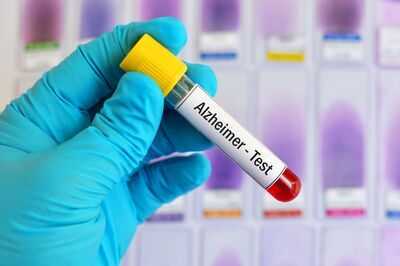
A major international research project could deliver a simple finger prick-style blood test to help diagnose Alzheimer’s disease.
The trial is looking at three proteins in the blood associated with the condition. Scientists will compare the test with the current 'gold standard' brain scans in a project with 1,000 volunteers worldwide.
If the new test works, it would be far easier than current scans, lumbar punctures or spinal taps used to identify the condition. The finger prick test would use a plasma separation card to speed up Alzheimer’s diagnosis using blood and digital biomarkers. If successful, the test would be accessible, cost-effective and enable earlier intervention.
• Neurologist says six minute habit could slash your dementia risk
• Five early dementia signs including one you may notice at night
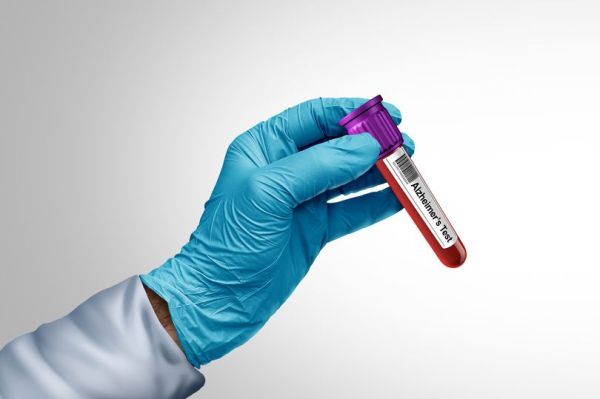
It is part of the Global Alzheimer’s Platform Foundation (GAP) Bio-Hermes-002 study backed by not-for-profit medical research organisation LifeArc. They have already enrolled 883 of the 1000 needed for the study from 25 sites across the UK, USA and Canada.
This includes people with no symptoms, those with mild cognitive impairment and some with mild to moderate Alzheimer’s disease. Out of this group, over 360 have completed the test. Dr Giovanna Lalli, Director of Strategy and Operations at LifeArc, said: “Over the last five years, there has been substantial progress in identifying blood-based biomarkers to identify people at high risk of developing Alzheimer’s disease before their symptoms present.
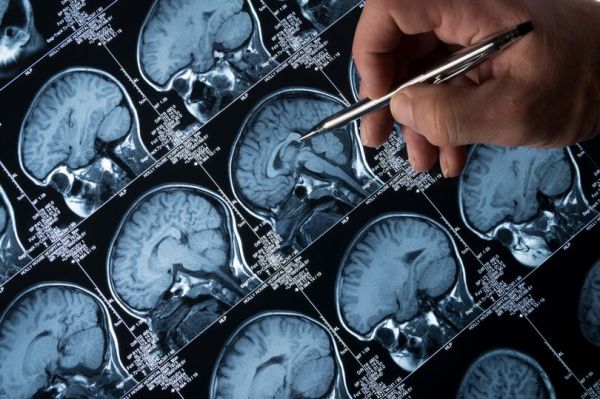
"Developing cheaper, scalable and more accessible tests is vital in the battle against this devastating condition. We are committed to improving patient lives through the development of new tests and treatments, and we are excited about the prospect of a finger-prick blood test. It will allow more patients to access new drugs, currently being developed, to slow disease progression in its early stages.”
John Dwyer, President of GAP, added that using a simple blood test had the potential to revolutionise diagnosis. Further work will be needed to get a test ready once the trial is complete. Prof Henrik Zetterberg, Lead of the Biomarker Factory at the UK Dementia Research Institute, stressed the results will be compared against current gold standard diagnostic techniques.
"If successful, being able to diagnose Alzheimer’s with a minimally invasive, cost-effective method will revolutionise diagnostics in this area and pave the way for improved diagnosis of all neurodegenerative conditions," he added. President Ronald Reagan spoke openly about his Alzheimer's diagnosis in a bid to destigmatise the disease more than 30 years ago.

The trial is expected to be completed in 2028. Around 944,000 people in the UK are thought to be living with dementia. The figure is thought to be closer to seven million in the US.
Alzheimer's affects around six in 10 people with dementia. Memory problems, reasoning difficulties and problems with language are common early signs of the condition.
Alzheimer's Research UK analysis found 74,261 people died from dementia in 2022 compared with 69,178 a year earlier, making it the country's biggest killer.
Contact to : xlf550402@gmail.com
Copyright © boyuanhulian 2020 - 2023. All Right Reserved.