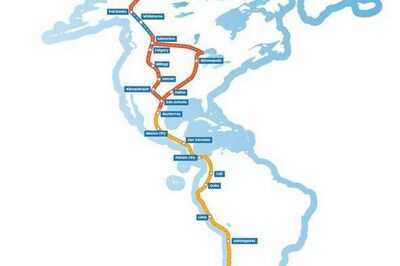
Stretching across two continents and nearly the full length of the Western Hemisphere, the Pan-American Highway is one of the longest roads ever constructed. It connects 14 countries on a scale that few other travel networks can match, earning it a spot in the Guinness World Records as the world's longest drivable road.
However, contrary to its name, the Pan-American Highway isn't a single, unbroken stretch of asphalt. Rather, it's an immense network of national highways pieced together over many years.
The route begins at Prudhoe Bay, Alaska, US and ends in Ushuaia, Argentina, often dubbed the southernmost city on earth.
- 28 Years Later fans dress up as Jimmy Savile in homage to violent on-screen cult
- Summer holidays booking bonanza - everything you need to know
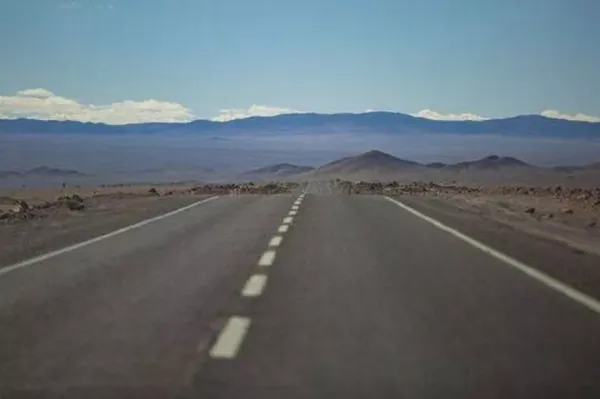
This mammoth journey spans approximately 19,000 miles (30,000 kilometres). Depending on how you define it, the highway traverses 14 countries (or 15 if you count Canada as part of the northern network):
- United States
- Mexico
- Guatemala
- El Salvador
- Honduras
- Nicaragua
- Costa Rica
- Panama
- Colombia
- Ecuador
- Peru
- Chile
- Argentina
The route takes you through deserts, rainforests, mountain ranges, bustling cities and untouched wilderness.
Despite its impressive length, the Pan-American Highway has one notorious interruption: the Darién Gap, a roughly 100-mile expanse of jungle between Panama and Colombia. This is the only break in the entire route and due to environmental and safety concerns, a road has never been built here.
With dense rainforest, swamps, mountains and scarce infrastructure, it's been impacted by smuggling routes and armed factions. Those brave enough to attempt the full Pan-American journey must transport their vehicle by boat or plane between Central and South America.
In theory, one could traverse the Pan-American Highway without extended stops in two to three months. However, most adventurers who embark on this journey take significantly longer.
Many explorers allocate six months to a year for the trip, while some extend their adventure to one or two years. The route has been conquered end-to-end by motorcyclists, cyclists and even runners.
Notably, actor Ewan McGregor tackled large sections of the highway during his Long Way motorcycle series.
The concept of a single road connecting the Americas was first mooted in 1923, at the Fifth International Conference of American States. However, each nation constructed and improved its own segments at varying times, often to disparate standards.
Major construction occurred from the 1930s through to the 1970s, although parts of the highway predate this period and many sections continue to be updated today. Consequently, there is no definitive completion date for the Pan-American Highway.
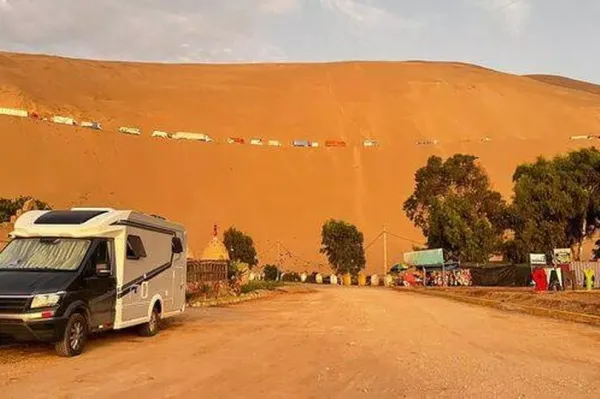
Large swathes of the highway, particularly in North America, are fully paved and resemble modern motorways. In contrast, conditions can fluctuate dramatically elsewhere, with some stretches in Central and South America poorly maintained or even impassable during the rainy seasons.
In the Andes, the road ascends to heights of over 4,000 metres (13,000 feet), introducing altitude and weather as additional challenges for drivers.
Contact to : xlf550402@gmail.com
Copyright © boyuanhulian 2020 - 2023. All Right Reserved.