Why Hindu Gods Have Multiple Arms (You're Seeing Them Wrong)
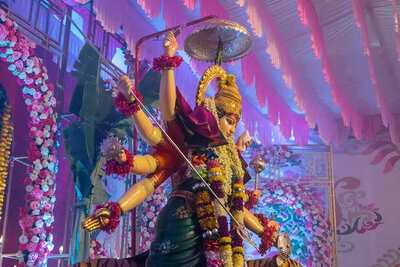
If you have ever seen a Hindu god in a temple or painting, one question naturally arises. Why so many arms? Four, eight, ten, sometimes more. To the modern mind, this may seem mythical. In Hindu philosophy, however, nothing is decorative or random. Every symbol carries layered meaning rooted in scripture and experience. Multiple arms do not represent physical form. They represent consciousness, power, and expanded inner ability. This visual language explains how awakened awareness can act on many levels at once with balance, clarity, and strength.
Symbols Speak Where Words Fail

Hindu tradition teaches that the divine cannot be fully described through words alone. Sacred symbols act as bridges between the visible world and the unseen truth. Multiple arms form part of this symbolic language. They express protection, balance, wisdom, and transformation working together at the same time. Based on scriptural knowledge, temple iconography, and spiritual experience, these forms are not physical descriptions but visual teachings. They help the human mind understand higher consciousness, inner power, and the ability to act beyond ordinary limits with clarity and harmony.
Arms Represent Power to Act
In Hindu iconography, arms represent shakti, the power to act in the world. Two arms symbolize limited action, while many arms reflect multiple abilities working together. Deities like Goddess Durga appear with many arms to express inner strengths such as courage, clarity, patience, and wisdom. This symbolism comes from ancient scriptures and temple traditions, supported by spiritual experience and scholarly interpretation. The message is simple and powerful. When consciousness awakens, it carries every tool needed to face challenges with balance, strength, and purposeful action.
Objects Are Ideas, Not Weapons

What truly matters is not the number of arms, but what each hand holds. Vishnu’s four arms carry the conch, discus, mace, and lotus. These are not objects but visible ideas representing sacred sound, cosmic order, inner strength, and purity. Rooted in scriptural authority and temple tradition, this symbolism teaches balance in all directions of life. Multiple arms allow the divine to hold opposites like power and compassion together, showing how awakened awareness harmonizes strength with grace in daily living.
Beyond Time and SequenceHumans act step by step, but the divine works in unity. In Hindu philosophy, Shiva as Nataraja creates, protects, destroys, and liberates at the same moment. His many arms symbolize simultaneous action beyond human limitation. Ancient scriptures and temple traditions explain that reality is not linear but rhythmic. Life and change move together in a cosmic flow. This image teaches that chaos and order are not opposites. They exist together as part of one eternal dance, guiding awareness, balance, and spiritual understanding.
A Mirror of Human PotentialHindu gods are not distant or unreachable beings. They are symbolic mirrors of human potential and inner growth. The many arms do not suggest weakness. They represent expanded awareness and higher capability. Ancient scriptures and spiritual traditions explain that when the mind is scattered, life feels overwhelming. When awareness strengthens, individuals manage many responsibilities without losing balance. This wisdom, supported by lived spiritual experience and authoritative teachings, shows that divine imagery reflects the end state of inner harmony, clarity, and conscious living.
Why This Still Matters TodayModern life focuses on literal thinking and often forgets symbolic understanding. Hindu imagery invites us to read with intuition and inner awareness. Multiple arms remind us that complex situations can be managed when consciousness is aligned. This insight comes from ancient scriptures, spiritual experience, and philosophical wisdom trusted for centuries. What appears supernatural is actually psychological and practical. These symbols teach balance, clarity, and inner strength. When awareness expands, no challenge feels overwhelming. True wisdom lies in understanding symbols as guides for daily life and conscious living.
Unlock insightful tips and inspiration on personal growth, productivity, and well-being. Stay motivated and updated with the latest at My Life XP.
Frequently Asked Questions (FAQs)
Why does Hindu imagery use symbolism instead of realism?
Because symbols express deeper truths that literal images cannot convey.
What do multiple arms represent spiritually?
They represent expanded awareness and the ability to act on many levels at once.
Is this symbolism relevant to modern life?
Yes. It teaches balance, clarity, and handling complexity with calm awareness.
Are Hindu gods meant to be taken literally?
No. They are symbolic representations of consciousness and inner power.
How can symbolic understanding help daily life?
It builds intuition, emotional strength, and conscious decision making.
Symbols Speak Where Words Fail
Hindu gods are not drawn as humans with extra limbs.
Hindu tradition teaches that the divine cannot be fully described through words alone. Sacred symbols act as bridges between the visible world and the unseen truth. Multiple arms form part of this symbolic language. They express protection, balance, wisdom, and transformation working together at the same time. Based on scriptural knowledge, temple iconography, and spiritual experience, these forms are not physical descriptions but visual teachings. They help the human mind understand higher consciousness, inner power, and the ability to act beyond ordinary limits with clarity and harmony.
Arms Represent Power to Act
Arms symbolize shakti, the power to act
In Hindu iconography, arms represent shakti, the power to act in the world. Two arms symbolize limited action, while many arms reflect multiple abilities working together. Deities like Goddess Durga appear with many arms to express inner strengths such as courage, clarity, patience, and wisdom. This symbolism comes from ancient scriptures and temple traditions, supported by spiritual experience and scholarly interpretation. The message is simple and powerful. When consciousness awakens, it carries every tool needed to face challenges with balance, strength, and purposeful action.
Objects Are Ideas, Not Weapons
Every object represents an inner quality
What truly matters is not the number of arms, but what each hand holds. Vishnu’s four arms carry the conch, discus, mace, and lotus. These are not objects but visible ideas representing sacred sound, cosmic order, inner strength, and purity. Rooted in scriptural authority and temple tradition, this symbolism teaches balance in all directions of life. Multiple arms allow the divine to hold opposites like power and compassion together, showing how awakened awareness harmonizes strength with grace in daily living.
Beyond Time and SequenceHumans act step by step, but the divine works in unity. In Hindu philosophy, Shiva as Nataraja creates, protects, destroys, and liberates at the same moment. His many arms symbolize simultaneous action beyond human limitation. Ancient scriptures and temple traditions explain that reality is not linear but rhythmic. Life and change move together in a cosmic flow. This image teaches that chaos and order are not opposites. They exist together as part of one eternal dance, guiding awareness, balance, and spiritual understanding.
A Mirror of Human PotentialHindu gods are not distant or unreachable beings. They are symbolic mirrors of human potential and inner growth. The many arms do not suggest weakness. They represent expanded awareness and higher capability. Ancient scriptures and spiritual traditions explain that when the mind is scattered, life feels overwhelming. When awareness strengthens, individuals manage many responsibilities without losing balance. This wisdom, supported by lived spiritual experience and authoritative teachings, shows that divine imagery reflects the end state of inner harmony, clarity, and conscious living.
Why This Still Matters TodayModern life focuses on literal thinking and often forgets symbolic understanding. Hindu imagery invites us to read with intuition and inner awareness. Multiple arms remind us that complex situations can be managed when consciousness is aligned. This insight comes from ancient scriptures, spiritual experience, and philosophical wisdom trusted for centuries. What appears supernatural is actually psychological and practical. These symbols teach balance, clarity, and inner strength. When awareness expands, no challenge feels overwhelming. True wisdom lies in understanding symbols as guides for daily life and conscious living.
Unlock insightful tips and inspiration on personal growth, productivity, and well-being. Stay motivated and updated with the latest at My Life XP.
Frequently Asked Questions (FAQs)
Why does Hindu imagery use symbolism instead of realism?
Because symbols express deeper truths that literal images cannot convey.
What do multiple arms represent spiritually?
They represent expanded awareness and the ability to act on many levels at once.
Is this symbolism relevant to modern life?
Yes. It teaches balance, clarity, and handling complexity with calm awareness.
Are Hindu gods meant to be taken literally?
No. They are symbolic representations of consciousness and inner power.
How can symbolic understanding help daily life?
It builds intuition, emotional strength, and conscious decision making.
Contact to : xlf550402@gmail.com
Copyright © boyuanhulian 2020 - 2023. All Right Reserved.