(By Dr. Mubashir Parkar)
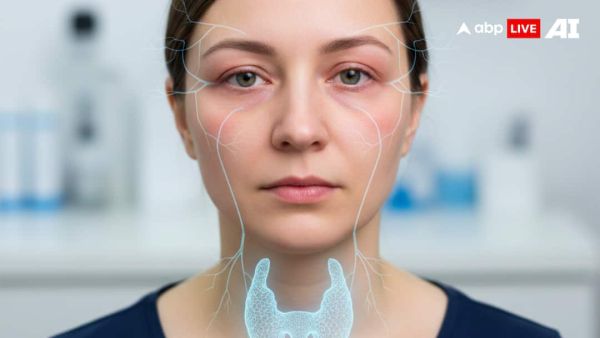
Thyroid disorders are commonly linked to symptoms such as weight changes, fatigue, palpitations, and mood disturbances. However, one important and often overlooked complication is their effect on eye health. Thyroid Eye Disease (TED), also known as Graves’ ophthalmopathy, is a potentially serious condition that can threaten vision if not detected and managed early. Understanding its warning signs and risks is crucial for protecting long-term eye health.
What Is Thyroid Eye Disease (TED)?
Thyroid Eye Disease is an autoimmune disorderin which the body’s immune system mistakenly attacks the tissues, muscles, and fat surrounding the eyes.
Association With Thyroid Disorders
It is most frequently associated with Graves’ disease, a type of hyperthyroidism, but it can also occur in people with normal thyroid function or even hypothyroidism.
Timing Of Eye Symptoms
Importantly, eye symptoms do not always develop alongside thyroid problems. In some cases, eye involvement may appear months or even years before or after thyroid disease is diagnosed, making it easy to miss the connection.
Early Symptoms Of Thyroid Eye Disease
The early symptoms of TED are often mild and nonspecific. Patients may experience eye dryness, redness, watering, burning sensation, irritation, or a gritty feeling,similar to dry eye disease. Increased sensitivity to light and a feeling of pressure or heaviness behind the eyes are also common. Because these symptoms can seem minor, many people ignore them until the disease progresses.
Progressive Changes In Advanced Thyroid Eye Disease
As TED advances, inflammation causes swelling of the eye muscles and tissues behind the eyeball.
Bulging Eyes And Exposure Problems
This pushes the eyes forward, resulting in bulging eyes (proptosis). Apart from cosmetic concerns, this can prevent the eyelids from closing fully, leading to severe dryness, exposure of the cornea, recurrent infections, and even corneal ulcers. Eyelid swelling and retraction can further worsen discomfort and appearance.
Vision-Threatening Complications
One of the more disabling complications of thyroid eye disease is double vision (diplopia). The inflamed eye muscles may become stiff and scarred, restricting eye movement and affecting alignment. Simple daily activities such as reading, driving, or using digital screens can become difficult. In severe cases, swelling within the eye socket can compress the optic nerve, which carries visual information from the eye to the brain. This may cause blurred vision, loss of color vision, reduced contrast sensitivity, or sudden vision loss. Although uncommon, optic nerve compression is a medical emergency and requires immediate treatment to prevent permanent damage.
Risk Factors That Worsen Thyroid Eye Disease
Certain factors significantly increase the risk and severity of thyroid eye disease. Smoking is the strongest and most well-established risk factor, known to worsen symptoms, prolong disease activity, and reduce treatment effectiveness. Poorly controlled thyroid hormone levels, stress, and some thyroid treatments may also influence disease progression.
Early diagnosis and a proactive approach are key to preventing complications. Anyonewith a thyroid disorder who experiences persistent eye irritation, changes in eye appearance, or visual disturbances should seek prompt evaluation from an eye care professional.
Treatment And Management Options
Management often requires a multidisciplinary team, including endocrinologists and ophthalmologists. Treatment options range from artificial tears, lifestyle modifications, and strict thyroid control to steroids, immune-modulating therapies, radiotherapy, or surgical intervention in advanced cases.
Protecting Vision In Thyroid Disease
Thyroid disease doesn’t only affect the body, it can silently threaten vision. Recognizing early eye symptoms and seeking timely care can make a significant difference, helping preserve eyesight, appearance, and overall quality of life.
Dr Mubashir Parkar is Cataract and LASIK Surgeon at Dr Agarwals Eye Hospital, Vashi
[Disclaimer: The information provided in the article is shared by experts and is intended for general informational purposes only. It is not a substitute for professional medical advice, diagnosis, or treatment. Always seek the advice of your physician or other qualified healthcare provider with any questions you may have regarding a medical condition.]
Contact to : xlf550402@gmail.com
Copyright © boyuanhulian 2020 - 2023. All Right Reserved.