(By Mr Surya Maguluri)
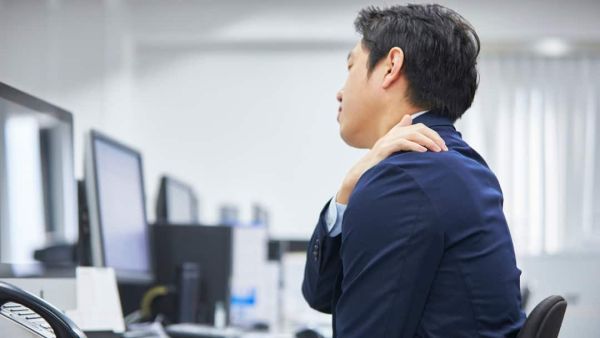
Modern work and travel have subtly but significantly altered daily physical rhythms. Long hours at desks, extended screen time, and increasingly sedentary routines have reduced the natural movement that once occurred throughout the day. What feels like a simple shift in how work gets done has deeper implications for how the body experiences routine tasks, from sitting through meetings to moving between destinations.
Research findings show that prolonged daily sitting of eight hours or more can increase the combined risk of major heart problems and all-cause mortality by approximately 17% to 50%, reinforcing the hidden physical toll of routine inactivity. As technology continues to shape professional lifestyles, examining how reduced movement influences daily physical comfort becomes increasingly relevant.
Where The Strain Begins
The human body is designed for regular movement, not static postures. When sitting for extended periods, especially with poor posture, muscles remain contracted, circulation slows, and joints receive less stimulation. Over time, this leads to tight hip flexors, compressed spinal structures, and overworked neck and shoulder muscles. Travel compounds the problem, as confined seating and limited mobility restrict natural posture changes for hours at a stretch.
These physical adaptations often go unnoticed initially. Mild stiffness after a long workday or a sore lower back after travel may feel temporary, but repeated exposure gradually reduces the range of motion and muscular resilience. What begins as discomfort can eventually affect posture, balance, and functional movement in daily activities.
Everyday Discomfort, Everyday Impact
Persistent body pain has consequences beyond physical sensation. Reduced comfort can affect concentration, sleep quality, and energy levels, making routine tasks feel more demanding. Lower back pain and neck stiffness are among the most common reasons for reduced workplace productivity, yet they are frequently normalised rather than addressed early.
Health experts increasingly stress that addressing these issues requires more than occasional workouts. The distribution of movement throughout the day, how often the body changes position, stretches, or engages muscles lightly, plays a critical role in maintaining physical comfort.
Rethinking Daily Movement And Recovery
As awareness grows, many individuals are rethinking how they care for their bodies within modern constraints. Simple interventions such as standing briefly between tasks, walking during calls, and paying attention to posture can significantly reduce physical strain. Ergonomic workstations and mobility-focused routines are becoming part of mainstream wellness conversations.
Equally important is recovery. Allowing muscles and joints to relax and reset after prolonged use helps maintain circulation and tissue health. Rather than viewing recovery as something reserved for athletes, it is increasingly seen as essential for anyone navigating sedentary routines.
The Role Of Non-Invasive Support Tools
Alongside movement and ergonomics, non-invasive pain-management devices are emerging as practical additions to everyday routines. Tools that use light therapy, also known as photobiomodulation, offer targeted relief by supporting circulation and reducing muscle tension without medication or physical intervention.
Mr Surya Maguluri is the Founder & CTO of Curapod
Contact to : xlf550402@gmail.com
Copyright © boyuanhulian 2020 - 2023. All Right Reserved.