A doctor is calling on men to do one thing as cases of prostate cancer hit new levels. Figures examined by the charity Prostate Cancer UK found 64,425 men werediagnosed with the disease in 2022. This is up by a fifth - 24% - on the previous year when 51,823 men were diagnosed with prostate cancer, the charity said. It compared with 61,640 with breast cancer in 2022, which had previously been the most common cancer.
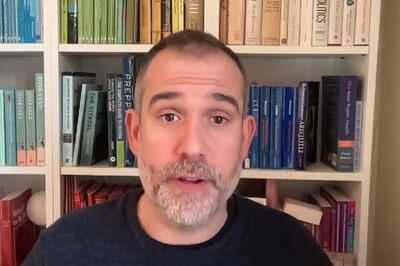
The disease officially became the most common cancer in England last January, but new figures from Scotland, with data from Wales and Northern Ireland, have enabled a UK-wide figure. But speaking on BBC Morning Live Dr Alexander van Tulleken, known as Dr Xand, said a diagnosis was not a death sentence with most people dying with prostate cancer and not from it.
But warning the cancer does not have symptoms at first he said it was essential that men should think about their risk. Speaking on the show he said: "People don’t like thinking about risk, they don’t like thinking about uncertainty, they certainly don’t like thinking about death and cancer.
- Victorian superbug hits factory and spreads in UK - all you need to know
- NHS issues UK-wide alert for people to take 2p pill for next several weeks
“And that means sometimes by the time you do get symptoms, if you haven’t thought about your risk, you can have more difficulty treating it. Prostate cancer is still very treatable, and there are many things that can give you symptoms that are not prostate cancer."
Urging people not to be embarrassed or afraid, he set out the symptoms saying: "Think about them. Some of these will resonate with people, but this does not necessarily mean you have prostate cancer, and even if you do, it is often treatable.
“The symptoms are caused by the prostate getting larger as it grows and constricting the tube you pass urine through, and so you can get pain urinating, urinating in the middle of the night, frequency needing to go more quickly or urgency and sometimes a sensation that you haven’t fully emptied your bladder.”
He added: “Most men by the time they get to my age are often getting up in the night. It is not a reason to panic, it is a reason to talk to your GP. There are lots of things that cause this as well.”
He continued: “If you are getting any of those symptoms, you should talk to your doctor. But it is well worth thinking about your risk as well.”
He said the main risk factor was age explaining: "Once you are over 50, your risk really starts to go up. The other thing is it is a bit genetic, so if you have a first-degree relative, your father or a brother who has had prostate cancer, that puts your risk up.
“And if you’re black, your risk is very significantly higher. One in eight men will get prostate cancer in their lifetime in the UK, but one in four black men will get it.
“Now that does not mean that it’s a death sentence. It is really important to say that most people die with prostate cancer not from prostate cancer.
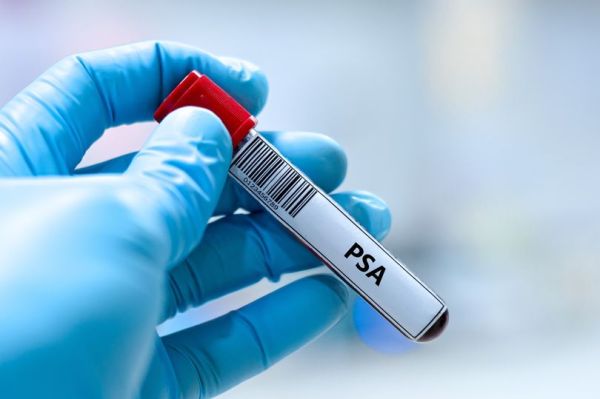
“This is one of the reasons it’s so difficult to know what to do when you get a diagnosis, and one of the reasons it’s so hard to screen for. If you are over 50 you are allowed to ask, on the NHS, for a PSA test. That’s a blood test for a thing called Prostate-Specific Antigen.
“This is not a cancer diagnosis it is a suggestion that there might be something wrong with your prostate but it can be high without having prostate cancer and it can be low and you could have prostate cancer so it’s a very imperfect test but if your risk is high it’s definitely worth discussing with your GP but there is a good reason why the NHS does not proactively offer it to everyone.
“The thing I would recommend is doing the Prostate Cancer UK risk checker on their website so you can have an idea about your risk and engage with your symptoms, but talk about it with the men in your life talk about it with the people in your life say that your thinking about it and that will make it all a bit easier.”
Figures show around 12,200 people die every year from prostate cancer. However, figures from 2018 show almost four out of five (78.9%) will live for 10 years or more.
The disease has been in the headlines over recent years after Olympian Sir Chris Hoy was diagnosed with the cancer. Former prime minister Lord David Cameron, broadcaster Sir Stephen Fry, Sir Cliff Richard and Blackadder actor Sir Tony Robinson, have all also been diagnosed with the disease.
Contact to : xlf550402@gmail.com
Copyright © boyuanhulian 2020 - 2023. All Right Reserved.