
The Korean wave didn’t suddenly land in India with a bang. It sort of tiptoed in. Late-night K-dramas you promised yourself you’d watch just one episode of. Songs you didn’t understand at first but kept humming anyway. Faces on screen with skin that looked calm, clear, and oddly real. And slowly, without much noise, Korean beauty entered daily conversations.
What people noticed first wasn’t the products. It was the skin. Soft. Dewy. Healthy in a way that didn’t look forced. Korean skincare felt less about hiding flaws and more about looking after your skin like you would look after your body. And honestly, that thought clicked. Especially for those tired of harsh treatments and big promises that never quite delivered.
Over time, K-beauty stopped being a niche interest. It became familiar. Not flashy or loud, but reassuring. Ingredients sounded gentler. Routines felt slower and more intentional. The idea that skin doesn’t need to be perfect, just cared for, started to make sense. And globally too, Korean skincare quietly rose to the top, earning its place without shouting for attention.
But here’s the part most people don’t talk about. The Indian K-beauty story doesn’t just connect to Korea. It also leads to Nagaland.
Toinali Chophi wasn’t chasing a trend when she started Beauty Barn . Back then, Korean skincare wasn’t easy to find in India. Information was patchy, access was limited, and trust took real effort. She began small, figuring things out as she went. Learning what Indian skin needed. Paying attention instead of rushing.
The early days were simple. A small team. A handful of orders. Lots of trial and error. No viral moments. No overnight success stories. Just patience and a steady belief that people here were ready to think differently about skincare.
What really stands out about Toinali is how quietly she worked. There was no rush to make big claims or dress things up. The focus stayed on explaining things properly. Ingredients, routines, why skincare doesn’t need to sting or strip to work. Slowly, people began to trust that approach.
Today, Beauty Barn often comes up when K-beauty in India is discussed. But the story behind it still feels grounded. It doesn’t read like a race for numbers or scale. It feels more like building something stable in an industry that moves fast and forgets faster. Growth happened, yes. But the thinking stayed the same.
In a beauty world obsessed with trends and quick wins, Toinali Chophi’s journey feels refreshing. Proof that you don’t always need loud launches or global backing. Sometimes, things grow quietly. With belief. With time. With patience.
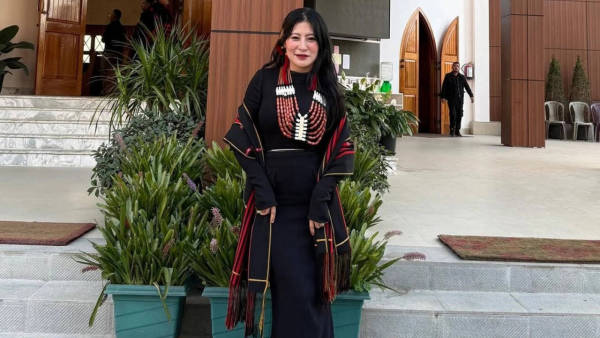
And maybe that’s what Korean beauty has been trying to say all along. Good skin doesn’t come from rushing. It comes from showing up, every day, and letting time do its thing.
From a business lens, the brand hasn’t grown with fireworks or flashy headlines. It’s been slow, steady, and very deliberate. What began as a small, almost experimental setup has quietly turned into one of India’s more recognised K-beauty platforms. The brand is estimated to be doing an annual turnover of around ₹40–50 crore, largely driven by its online store. Physical outlets and franchise partners add to that momentum, but digital still does the heavy lifting.
And the numbers tell their own story. Thousands of orders go out every month, not because of hype, but because people keep coming back. There’s a sense of trust there - the kind that builds over time, not overnight. Her brand doesn’t shout about its figures or dress them up. But its consistent sales and growing presence suggest a business that knows what it’s doing, even as India’s skincare space gets louder and more crowded by the day.
Contact to : xlf550402@gmail.com
Copyright © boyuanhulian 2020 - 2023. All Right Reserved.