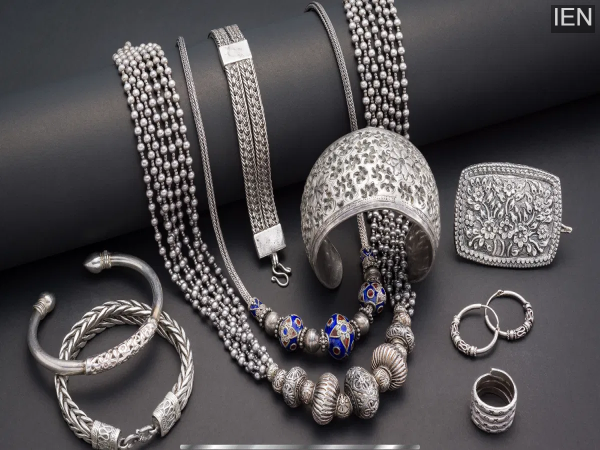
Silver prices, along with gold, have surged to record highs, with retail rates in India now crossing ₹3 lakh per kilogram. As a result, interest in buying physical silver—whether for investment, gifting, or daily use—has increased sharply. However, when prices are this high, silver purity becomes the most critical factor that determines whether your purchase delivers real value or turns into an expensive mistake.
From 999 fine silver to 925 sterling silver and even lower grades like 800 silver, understanding what these numbers mean is essential. The grade stamped on a silver item directly reflects how much pure silver it contains—and ultimately, how much profit or utility you can expect from it.
What Does Silver Purity or Grade Mean?
Pure silver is naturally soft and cannot be used directly for most practical purposes. To make it stronger and more durable, small quantities of other metals—most commonly copper—are mixed with it. The percentage of pure silver present in an item is known as its purity or grade.
Silver purity is usually measured in parts per thousand. For example:
999 silver means 99.9% pure silver
925 silver means 92.5% pure silver
The higher the number, the greater the silver content—and typically, the higher the value.
Common Silver Grades Available in the Indian Market
999 Fine Silver
Also known as pure silver, 999 grade contains 99.9% silver. It is very soft and not suitable for daily-wear jewellery. This grade is commonly used for silver bars, coins, religious items, and long-term investment. If your goal is wealth preservation or gifting with maximum intrinsic value, 999 silver is the best choice.
925 Sterling Silver
Sterling silver contains 92.5% silver and 7.5% other metals, usually copper. This balance makes it strong, durable, and visually appealing. Most rings, chains, bracelets, and earrings are made from 925 silver. If you see a clear “925” stamp on jewellery, it generally indicates good quality.
958 Britannia Silver
This grade contains 95.8% silver and is purer than sterling silver but slightly softer. It is less common in India and is mostly found in premium silverware or collectible pieces.
900 Silver (Coin Silver)
Containing 90% silver, this grade was historically made by melting old silver coins. While durable, it tarnishes faster and is less valuable compared to higher grades.
European Silver Grades (800–850)
Grades such as 800, 825, 830, and 850 contain between 80% and 85% silver. These are rare in India and usually found in antique or heritage items. They are cheaper but offer lower intrinsic value.
Why Silver Purity Matters More Than Ever
When silver prices are at record levels, even a small compromise on purity can result in significant financial loss. Paying the price of high-grade silver for a low-grade or silver-plated item can severely impact returns, especially for investors.
Purity awareness helps buyers:
Pay the right price
Avoid fake or plated products
Ensure better resale and long-term value
For gifts and long-term holdings, purity also builds trust and reliability.
How to Check If Silver Is Genuine Before Buying
The simplest method is to look for a purity stamp such as 999, 925, or 800. These marks are usually engraved on the back or inner surface of the item. Many products also carry an assayer’s mark or maker’s mark, indicating certification and authenticity.
If a silver item has no visible marking, avoid purchasing it blindly. Always ask the seller for clarification and ensure that the bill clearly mentions the silver purity.
Beware of Silver-Plated Products
Many items in the market look like silver but are actually silver-plated, meaning a thin layer of silver is coated over another metal. These products are cheaper but do not hold value and wear off over time.
If your intention is investment or long-term use, always choose solid silver, not silver-plated alternatives.
Final Takeaway
With silver prices crossing ₹3 lakh per kg, knowing the difference between 800, 925, and 999 grade silver is no longer optional—it’s essential. Checking purity stamps, understanding grades, and avoiding plated items can help ensure that your money is invested in genuine value, not just surface shine.
Contact to : xlf550402@gmail.com
Copyright © boyuanhulian 2020 - 2023. All Right Reserved.