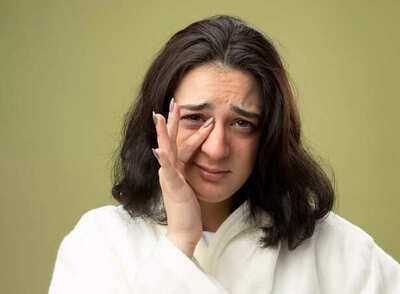
Are These 5 Changes on Your Face Early Signs of Fatty Liver?
Fatty liver disease is rising quickly in India and doctors now describe it as a silent danger. In early stages, the liver often shows no pain, so many people remain unaware of the problem. Medical experts explain from clinical experience that liver stress can appear on the face first. Changes in skin tone, eyes, swelling, or texture may act as early warnings. According to health specialists, recognizing these signs early allows timely treatment. With expert guidance, lifestyle changes, and regular checkups, serious outcomes like cirrhosis or liver failure can often be prevented safely.
Yellowing of Eyes or Face
A mild yellow tint in the eyes or on the face is one of the earliest and most common warning signs of liver trouble. Doctors identify this condition as jaundice. It occurs when the liver is unable to properly process bilirubin, a waste substance formed from red blood cells. This change often develops slowly and is easy to ignore. From medical experience, even a faint yellow shade should be taken seriously. Trusted health experts agree that this is the liver’s early signal for care, testing, and timely lifestyle correction.
Puffy Face and Eye Swelling

If your face or eyes remain swollen even after good sleep, it may not be simple fatigue. In fatty liver disease, the liver struggles to manage fluid balance, leading to fluid buildup in the body. This often causes soft but persistent puffiness, especially around the eyes and cheeks. From clinical experience, doctors note that this swelling does not reduce easily during the day. Medical experts recommend a liver function check if facial swelling continues for several weeks. Early evaluation helps prevent serious liver complications and supports timely treatment.
Sudden Acne and Oily Skin

Sudden pimples on the cheeks, jawline, or forehead may point to underlying liver stress. Medical experts explain that the liver plays a key role in hormone regulation and toxin removal. When this process slows, excess toxins circulate in the body and oil glands become overactive. This can trigger acne even in adults with no past skin problems. From clinical experience, persistent and unexplained breakouts often reflect internal imbalance rather than simple skincare issues. If acne appears suddenly and does not improve, timely medical evaluation can help detect liver related problems early.
Redness and Visible Blood VesselsSome people notice red patches, spider like veins, or rosacea on the face even without sun exposure or allergies. Liver specialists explain that this can happen when liver function weakens and hormonal balance is disturbed. Poor liver health affects blood circulation, causing tiny facial vessels to widen and appear more visible. This often creates a flushed look that seems unexplained. In clinical experience, this sign is subtle but important, especially when seen with fatigue or swelling. Paying attention early and consulting a doctor can help prevent serious liver complications and support long term skin and liver health.
Dull, Dry, or Itchy SkinA healthy liver plays a vital role in keeping the skin clear and radiant. When liver function weakens, toxins are not filtered properly and begin to circulate in the body. This internal imbalance often appears on the skin as dullness, dryness, itching, or uneven patches. From clinical experience, dermatologists and liver specialists agree that topical creams offer only temporary relief. True and lasting improvement starts with better liver care through balanced nutrition, regular activity, and timely medical checkups. When liver health improves from within, natural skin glow gradually returns in a safe and sustainable way.
Why Early Care MattersDoctors confirm that fatty liver disease can often be reversed in its early stage with the right lifestyle changes. Clinical experience and medical studies show that losing five to ten percent body weight, following a balanced diet, doing daily walking, and attending regular health checkups can significantly improve liver health. The liver responds quickly when metabolic balance is restored. Ancient health wisdom also supports this view, teaching that when balance returns, the body begins to heal naturally. Early action builds long term protection, trust, and recovery.
Unlock insightful tips and inspiration on personal growth, productivity, and well-being. Stay motivated and updated with the latest at My Life XP.
Frequently Asked Questions (FAQs)
1. Can fatty liver really be reversed?
Yes. Doctors confirm that fatty liver can often be reversed in the early stage with weight loss, healthy food, and regular physical activity.
2. What are the early signs of fatty liver?
Early signs may include fatigue, mild abdominal discomfort, facial changes, or abnormal blood test results.
3. How much weight loss helps fatty liver?
Losing five to ten percent of body weight is shown to bring noticeable improvement in liver health.
4. Is fatty liver a serious condition?
If ignored, it can progress to liver inflammation, cirrhosis, or liver failure. Early care prevents complications.
5. Can diet alone improve fatty liver?
Diet helps greatly, but best results come from diet, daily walking, and regular medical checkups together.
Yellowing of Eyes or Face
Yellow tint in eyes can signal liver stress
A mild yellow tint in the eyes or on the face is one of the earliest and most common warning signs of liver trouble. Doctors identify this condition as jaundice. It occurs when the liver is unable to properly process bilirubin, a waste substance formed from red blood cells. This change often develops slowly and is easy to ignore. From medical experience, even a faint yellow shade should be taken seriously. Trusted health experts agree that this is the liver’s early signal for care, testing, and timely lifestyle correction.
Puffy Face and Eye Swelling
Persistent facial puffiness may indicate fluid retention
If your face or eyes remain swollen even after good sleep, it may not be simple fatigue. In fatty liver disease, the liver struggles to manage fluid balance, leading to fluid buildup in the body. This often causes soft but persistent puffiness, especially around the eyes and cheeks. From clinical experience, doctors note that this swelling does not reduce easily during the day. Medical experts recommend a liver function check if facial swelling continues for several weeks. Early evaluation helps prevent serious liver complications and supports timely treatment.
Sudden Acne and Oily Skin
Hormonal imbalance from liver stress can trigger acne
Sudden pimples on the cheeks, jawline, or forehead may point to underlying liver stress. Medical experts explain that the liver plays a key role in hormone regulation and toxin removal. When this process slows, excess toxins circulate in the body and oil glands become overactive. This can trigger acne even in adults with no past skin problems. From clinical experience, persistent and unexplained breakouts often reflect internal imbalance rather than simple skincare issues. If acne appears suddenly and does not improve, timely medical evaluation can help detect liver related problems early.
Redness and Visible Blood VesselsSome people notice red patches, spider like veins, or rosacea on the face even without sun exposure or allergies. Liver specialists explain that this can happen when liver function weakens and hormonal balance is disturbed. Poor liver health affects blood circulation, causing tiny facial vessels to widen and appear more visible. This often creates a flushed look that seems unexplained. In clinical experience, this sign is subtle but important, especially when seen with fatigue or swelling. Paying attention early and consulting a doctor can help prevent serious liver complications and support long term skin and liver health.
Dull, Dry, or Itchy SkinA healthy liver plays a vital role in keeping the skin clear and radiant. When liver function weakens, toxins are not filtered properly and begin to circulate in the body. This internal imbalance often appears on the skin as dullness, dryness, itching, or uneven patches. From clinical experience, dermatologists and liver specialists agree that topical creams offer only temporary relief. True and lasting improvement starts with better liver care through balanced nutrition, regular activity, and timely medical checkups. When liver health improves from within, natural skin glow gradually returns in a safe and sustainable way.
Why Early Care MattersDoctors confirm that fatty liver disease can often be reversed in its early stage with the right lifestyle changes. Clinical experience and medical studies show that losing five to ten percent body weight, following a balanced diet, doing daily walking, and attending regular health checkups can significantly improve liver health. The liver responds quickly when metabolic balance is restored. Ancient health wisdom also supports this view, teaching that when balance returns, the body begins to heal naturally. Early action builds long term protection, trust, and recovery.
Unlock insightful tips and inspiration on personal growth, productivity, and well-being. Stay motivated and updated with the latest at My Life XP.
Frequently Asked Questions (FAQs)
1. Can fatty liver really be reversed?
Yes. Doctors confirm that fatty liver can often be reversed in the early stage with weight loss, healthy food, and regular physical activity.
2. What are the early signs of fatty liver?
Early signs may include fatigue, mild abdominal discomfort, facial changes, or abnormal blood test results.
3. How much weight loss helps fatty liver?
Losing five to ten percent of body weight is shown to bring noticeable improvement in liver health.
4. Is fatty liver a serious condition?
If ignored, it can progress to liver inflammation, cirrhosis, or liver failure. Early care prevents complications.
5. Can diet alone improve fatty liver?
Diet helps greatly, but best results come from diet, daily walking, and regular medical checkups together.
Contact to : xlf550402@gmail.com
Copyright © boyuanhulian 2020 - 2023. All Right Reserved.