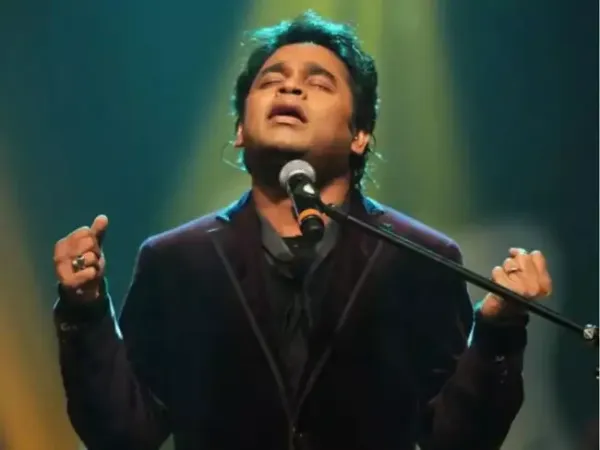
Singer-songwriter Rabbi Shergill, widely recognised for soulful tracks like Bulla Ki Jaana and Tere Bin, recently offered an unfiltered perspective on collaborating with globally celebrated composer AR Rahman. While acknowledging Rahman’s extraordinary musical talent, Shergill reflected on what he believes has been a significant shift in the role of lyrics within Hindi film music since Rahman’s rise to prominence.
Respect for Genius, Paired With Concern
During a conversation on Divas Gupta’s podcast, Shergill made it clear that his respect for Rahman’s creative brilliance is unwavering. He described the composer as an exceptional musical mind whose impact on Indian cinema is undeniable. However, alongside this admiration, Shergill voiced discomfort with what he sees as a gradual downgrading of lyrical importance in mainstream Hindi music during the Rahman era.
When Words Take a Backseat
Shergill explained that, in his view, the focus on intricate soundscapes and musical arrangements has often pushed lyrics into the background. For him, words are not merely decorative elements but carriers of emotion, identity, and human experience. When lyrical depth is compromised, he feels the emotional and philosophical core of a song weakens as well. This shift, according to Shergill, affects how audiences connect with music on a deeper, more personal level.
Language as a Key Factor
The singer was careful to clarify that his observations were not meant as personal criticism of Rahman. He pointed out that Hindi is not the composer’s first language, which naturally influences how lyrics are perceived and prioritised. In Shergill’s view, this linguistic gap places greater responsibility on filmmakers and lyricists to communicate meaning, intent, and cultural nuance clearly when working with a composer who may not fully grasp the language.
Industry Responsibility Over Individual Blame
Shergill emphasised that his broader concern lies with the film industry’s working process rather than with Rahman himself. He believes it is up to the creative team to ensure that language, poetry, and expression are not diluted, regardless of who is composing the music. He also acknowledged that Rahman’s work in Tamil cinema operates within a different cultural and linguistic context altogether.
Rahman’s Efforts to Bridge the Gap
AR Rahman has previously spoken about actively learning new languages later in his career. After establishing himself in Hindi cinema, he took steps to study Hindi, Urdu, and Arabic following guidance from filmmaker Subhash Ghai. He has also shared that exposure to singer Sukhwinder Singh inspired him to begin learning Punjabi, reflecting his ongoing effort to engage more deeply with diverse musical traditions across India.