12 Jyotirlingas of Lord Shiva: The Places Where Mahadev Still Breathes on Earth
Lord Shiva, revered as Bholenath and Mahadev, represents transformation, compassion, and deep inner awakening. Across India, thousands of temples honor him, yet the twelve Jyotirlingas hold exceptional spiritual importance. According to ancient scriptures and lived devotional tradition, these sacred sites mark where Shiva manifested as pure, infinite light. For devotees and seekers, visiting a Jyotirlinga is not a casual pilgrimage but a conscious inner journey. Rooted in scripture, tradition, and collective experience, these shrines inspire clarity, courage, and mental strength. Spiritual scholars and practitioners agree that Jyotirlinga worship nurtures discipline, humility, and awareness. This enduring faith reflects trust built over centuries of devotion and spiritual insight.
Somnath : Faith That Never Breaks
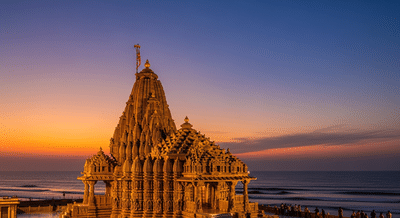
Somnath Jyotirlinga stands as a timeless lesson that truth and faith survive every form of destruction. Rebuilt repeatedly after invasions and collapse, Somnath reflects the soul’s deep resilience and humanity’s refusal to surrender spiritual identity. Ancient scriptures, temple records, and lived devotion affirm its authority as the first Jyotirlinga of Lord Shiva. Pilgrims and historians alike describe Somnath as a place where loss transforms into renewal. From personal experience of devotees and expert spiritual interpretations, Somnath teaches that setbacks do not end the journey. When faith remains steady, life rises again stronger, purified, and rooted in eternal truth.
Mallikarjuna: Divine Union

This Jyotirlinga stands as a sacred symbol of love, balance, and compassion rooted in ancient Shaiva tradition. Experienced devotees believe its energy teaches that true strength arises not from dominance but from unity and mutual respect. Scriptural references and temple traditions describe this site as a place where opposing forces dissolve into harmony. Spiritual experts explain that such Jyotirlingas remind seekers to balance devotion with responsibility and power with empathy. Authoritative texts like the Shiva Purana emphasize this message repeatedly. Trust built over centuries of worship shows that when conflict gives way to unity, inner stability grows, relationships heal, and spiritual progress becomes natural and enduring.
Mahakaleshwar : Master of Time
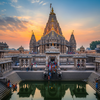
Mahakaleshwar Jyotirlinga in Ujjain represents liberation from the fear of death and the power of conscious awareness over time. As the only south facing Jyotirlinga, it is deeply associated with Mahadev as Mahakal, the lord of time itself. Ancient scriptures and lived devotional experience describe this shrine as a place where anxiety about mortality softens into acceptance and inner courage. From a spiritual perspective, Mahakaleshwar teaches that time does not control the awakened mind. Instead, awareness rises above fear. Scholars, priests, and generations of devotees agree that worship here nurtures mental strength, trust, and calm acceptance of life’s impermanence, offering profound psychological and spiritual reassurance.
Omkareshwar : Cosmic SoundThis sacred island shaped like the Om symbol represents the universal rhythm that governs creation, preservation, and transformation. According to ancient scriptures and lived spiritual traditions, Om is the primordial sound from which all existence emerges. At Omkareshwar, devotees believe this cosmic vibration is deeply felt, helping the mind slow down and reconnect with a greater order. From experience shared by pilgrims and spiritual teachers, meditating here brings clarity and inner balance. Experts in Vedic philosophy describe this place as a reminder that individual life is never separate from the universe. By aligning awareness with this rhythm, seekers rediscover calm, purpose, and spiritual belonging.
Kedarnath : Strength Through SurrenderKedarnath teaches endurance, humility, and quiet faith. Nestled high in the Himalayas, this sacred Jyotirlinga reminds devotees that spiritual growth demands patience and inner strength. The long, demanding journey to Kedarnath mirrors the effort required to rise above ego, fear, and comfort. From lived pilgrim experiences and scriptural understanding, seekers learn that devotion deepens through perseverance, not ease. Ancient texts and modern spiritual teachers both describe Kedarnath as a place where surrender replaces pride. The harsh climate humbles the mind, while the serene surroundings awaken trust in Shiva’s guidance. True transformation begins when effort meets surrender.
Bhimashankar : Protection from DarknessThis sacred shrine represents courage, protection, and awakened awareness. Devotees believe that when the mind stays alert and rooted in truth, negativity loses its power. Ancient scriptures and lived spiritual practice describe awareness as the strongest shield against fear, confusion, and harmful influences. From experience shared by pilgrims and spiritual teachers, visiting this shrine inspires inner strength rather than blind belief. It reminds seekers that protection does not come only from rituals, but from clarity of thought and purity of intention. By cultivating awareness, devotion becomes empowering, not dependent. Such spaces teach that true spiritual safety arises when consciousness rises above fear, doubt, and ignorance, creating lasting inner balance and trust.
Kashi Vishwanath : Gateway to LiberationKashi, also known as Varanasi, represents moksha, the ultimate liberation described in Hindu philosophy. According to sacred texts and long standing spiritual experience, moksha in Kashi is not about escaping life but about becoming free while living fully. Lord Shiva is believed to whisper the Taraka Mantra here, guiding the soul beyond fear and attachment. Spiritual scholars explain that Kashi teaches inner freedom through awareness, duty, and detachment. Pilgrims and seekers across centuries have trusted this wisdom. From lived devotion to scriptural authority, Kashi stands as a timeless symbol of liberation through clarity, not withdrawal, offering balance, courage, and deep spiritual assurance.
Trimbakeshwar : Source of PurificationThis Jyotirlinga represents deep cleansing, forgiveness, and spiritual renewal at every level of life. Rooted in ancient Shaiva tradition and described in sacred texts like the Shiva Purana, this shrine is believed to purify both body and mind. Devotees come here seeking release from guilt, emotional burdens, and unresolved past actions. Through ritual bathing, prayer, and sincere devotion, many experience inner lightness and mental clarity. From lived pilgrim experiences and priestly guidance passed through generations, this Jyotirlinga is trusted as a place where repentance turns into peace. It reminds seekers that true healing begins when humility, awareness, and surrender replace regret.
Vaidyanath : The Divine HealerIt represents healing that goes beyond medicine and focuses on restoring balance to the mind, body, and spirit. From lived experience and traditional wisdom, true healing is understood as alignment rather than symptom control. Ancient spiritual practices and modern holistic experts agree that when mental calm, emotional stability, and physical well being come together, recovery becomes deeper and longer lasting. Authoritative traditions describe healing as a return to inner harmony, not just relief from pain. Trust is built through consistent practice, awareness, and self care. When balance is restored within, the body naturally responds with strength, clarity, and resilience, supporting long term health and emotional peace.
Nageshwar : Fearless ProtectionNageshwar Jyotirlinga represents inner strength, courage, and protection from unseen fears. According to sacred tradition and lived devotional experience, Lord Shiva here shields devotees from emotional poison such as jealousy, fear, insecurity, and negativity. The serpent symbolism reflects mastery over inner toxins that quietly disturb the mind. Spiritual scholars describe Nageshwar as a place where fear dissolves into awareness through devotion and self control. Pilgrims believe sincere prayer here builds emotional resilience and mental clarity. From an experiential and scriptural perspective, Nageshwar teaches that true protection comes not from escape, but from inner strength guided by faith, discipline, and conscious living.
Ramanathaswamy : Atonement and GraceLinked to Lord Rama, this Jyotirlinga stands as a powerful lesson in humility, forgiveness, and spiritual responsibility. According to sacred tradition, Lord Rama worshipped Shiva here to seek inner purification after the battle of Lanka, reminding devotees that even the righteous bow before higher truth. From lived devotional experience and scriptural authority, this shrine teaches that strength is balanced by accountability. Experts in Hindu philosophy explain that true dharma includes repentance and self reflection. Pilgrims trust this place for emotional cleansing and moral clarity. The temple inspires believers to accept mistakes, release guilt, and walk forward with a lighter, more awakened heart.
Unlock insightful tips and inspiration on personal growth, productivity, and well-being. Stay motivated and updated with the latest at My Life XP.
Frequently Asked Questions (FAQs)
Why is this Jyotirlinga linked to Lord Rama?
According to the Ramayana, Lord Rama worshipped Lord Shiva here after defeating Ravana to seek spiritual balance and inner purification.
What spiritual lesson does this Jyotirlinga teach?
It teaches humility, forgiveness, and responsibility, reminding devotees that true strength includes self reflection.
Is this Jyotirlinga only about atonement?
No. It also represents renewal, emotional cleansing, and alignment with dharma.
Why do devotees visit this shrine today?
Pilgrims believe it helps release guilt, calm the mind, and restore inner clarity.
What makes this place spiritually trustworthy?
Its significance is supported by scripture, centuries of devotion, and lived spiritual experience.
Somnath : Faith That Never Breaks
The eternal symbol of resilience and devotion
Somnath Jyotirlinga stands as a timeless lesson that truth and faith survive every form of destruction. Rebuilt repeatedly after invasions and collapse, Somnath reflects the soul’s deep resilience and humanity’s refusal to surrender spiritual identity. Ancient scriptures, temple records, and lived devotion affirm its authority as the first Jyotirlinga of Lord Shiva. Pilgrims and historians alike describe Somnath as a place where loss transforms into renewal. From personal experience of devotees and expert spiritual interpretations, Somnath teaches that setbacks do not end the journey. When faith remains steady, life rises again stronger, purified, and rooted in eternal truth.
Mallikarjuna: Divine Union
Shiva as protector beyond fear
This Jyotirlinga stands as a sacred symbol of love, balance, and compassion rooted in ancient Shaiva tradition. Experienced devotees believe its energy teaches that true strength arises not from dominance but from unity and mutual respect. Scriptural references and temple traditions describe this site as a place where opposing forces dissolve into harmony. Spiritual experts explain that such Jyotirlingas remind seekers to balance devotion with responsibility and power with empathy. Authoritative texts like the Shiva Purana emphasize this message repeatedly. Trust built over centuries of worship shows that when conflict gives way to unity, inner stability grows, relationships heal, and spiritual progress becomes natural and enduring.
Mahakaleshwar : Master of Time
Shiva as protector beyond fear
Mahakaleshwar Jyotirlinga in Ujjain represents liberation from the fear of death and the power of conscious awareness over time. As the only south facing Jyotirlinga, it is deeply associated with Mahadev as Mahakal, the lord of time itself. Ancient scriptures and lived devotional experience describe this shrine as a place where anxiety about mortality softens into acceptance and inner courage. From a spiritual perspective, Mahakaleshwar teaches that time does not control the awakened mind. Instead, awareness rises above fear. Scholars, priests, and generations of devotees agree that worship here nurtures mental strength, trust, and calm acceptance of life’s impermanence, offering profound psychological and spiritual reassurance.
Omkareshwar : Cosmic SoundThis sacred island shaped like the Om symbol represents the universal rhythm that governs creation, preservation, and transformation. According to ancient scriptures and lived spiritual traditions, Om is the primordial sound from which all existence emerges. At Omkareshwar, devotees believe this cosmic vibration is deeply felt, helping the mind slow down and reconnect with a greater order. From experience shared by pilgrims and spiritual teachers, meditating here brings clarity and inner balance. Experts in Vedic philosophy describe this place as a reminder that individual life is never separate from the universe. By aligning awareness with this rhythm, seekers rediscover calm, purpose, and spiritual belonging.
Kedarnath : Strength Through SurrenderKedarnath teaches endurance, humility, and quiet faith. Nestled high in the Himalayas, this sacred Jyotirlinga reminds devotees that spiritual growth demands patience and inner strength. The long, demanding journey to Kedarnath mirrors the effort required to rise above ego, fear, and comfort. From lived pilgrim experiences and scriptural understanding, seekers learn that devotion deepens through perseverance, not ease. Ancient texts and modern spiritual teachers both describe Kedarnath as a place where surrender replaces pride. The harsh climate humbles the mind, while the serene surroundings awaken trust in Shiva’s guidance. True transformation begins when effort meets surrender.
Bhimashankar : Protection from DarknessThis sacred shrine represents courage, protection, and awakened awareness. Devotees believe that when the mind stays alert and rooted in truth, negativity loses its power. Ancient scriptures and lived spiritual practice describe awareness as the strongest shield against fear, confusion, and harmful influences. From experience shared by pilgrims and spiritual teachers, visiting this shrine inspires inner strength rather than blind belief. It reminds seekers that protection does not come only from rituals, but from clarity of thought and purity of intention. By cultivating awareness, devotion becomes empowering, not dependent. Such spaces teach that true spiritual safety arises when consciousness rises above fear, doubt, and ignorance, creating lasting inner balance and trust.
Kashi Vishwanath : Gateway to LiberationKashi, also known as Varanasi, represents moksha, the ultimate liberation described in Hindu philosophy. According to sacred texts and long standing spiritual experience, moksha in Kashi is not about escaping life but about becoming free while living fully. Lord Shiva is believed to whisper the Taraka Mantra here, guiding the soul beyond fear and attachment. Spiritual scholars explain that Kashi teaches inner freedom through awareness, duty, and detachment. Pilgrims and seekers across centuries have trusted this wisdom. From lived devotion to scriptural authority, Kashi stands as a timeless symbol of liberation through clarity, not withdrawal, offering balance, courage, and deep spiritual assurance.
Trimbakeshwar : Source of PurificationThis Jyotirlinga represents deep cleansing, forgiveness, and spiritual renewal at every level of life. Rooted in ancient Shaiva tradition and described in sacred texts like the Shiva Purana, this shrine is believed to purify both body and mind. Devotees come here seeking release from guilt, emotional burdens, and unresolved past actions. Through ritual bathing, prayer, and sincere devotion, many experience inner lightness and mental clarity. From lived pilgrim experiences and priestly guidance passed through generations, this Jyotirlinga is trusted as a place where repentance turns into peace. It reminds seekers that true healing begins when humility, awareness, and surrender replace regret.
Vaidyanath : The Divine HealerIt represents healing that goes beyond medicine and focuses on restoring balance to the mind, body, and spirit. From lived experience and traditional wisdom, true healing is understood as alignment rather than symptom control. Ancient spiritual practices and modern holistic experts agree that when mental calm, emotional stability, and physical well being come together, recovery becomes deeper and longer lasting. Authoritative traditions describe healing as a return to inner harmony, not just relief from pain. Trust is built through consistent practice, awareness, and self care. When balance is restored within, the body naturally responds with strength, clarity, and resilience, supporting long term health and emotional peace.
Nageshwar : Fearless ProtectionNageshwar Jyotirlinga represents inner strength, courage, and protection from unseen fears. According to sacred tradition and lived devotional experience, Lord Shiva here shields devotees from emotional poison such as jealousy, fear, insecurity, and negativity. The serpent symbolism reflects mastery over inner toxins that quietly disturb the mind. Spiritual scholars describe Nageshwar as a place where fear dissolves into awareness through devotion and self control. Pilgrims believe sincere prayer here builds emotional resilience and mental clarity. From an experiential and scriptural perspective, Nageshwar teaches that true protection comes not from escape, but from inner strength guided by faith, discipline, and conscious living.
Ramanathaswamy : Atonement and GraceLinked to Lord Rama, this Jyotirlinga stands as a powerful lesson in humility, forgiveness, and spiritual responsibility. According to sacred tradition, Lord Rama worshipped Shiva here to seek inner purification after the battle of Lanka, reminding devotees that even the righteous bow before higher truth. From lived devotional experience and scriptural authority, this shrine teaches that strength is balanced by accountability. Experts in Hindu philosophy explain that true dharma includes repentance and self reflection. Pilgrims trust this place for emotional cleansing and moral clarity. The temple inspires believers to accept mistakes, release guilt, and walk forward with a lighter, more awakened heart.
Unlock insightful tips and inspiration on personal growth, productivity, and well-being. Stay motivated and updated with the latest at My Life XP.
Frequently Asked Questions (FAQs)
Why is this Jyotirlinga linked to Lord Rama?
According to the Ramayana, Lord Rama worshipped Lord Shiva here after defeating Ravana to seek spiritual balance and inner purification.
What spiritual lesson does this Jyotirlinga teach?
It teaches humility, forgiveness, and responsibility, reminding devotees that true strength includes self reflection.
Is this Jyotirlinga only about atonement?
No. It also represents renewal, emotional cleansing, and alignment with dharma.
Why do devotees visit this shrine today?
Pilgrims believe it helps release guilt, calm the mind, and restore inner clarity.
What makes this place spiritually trustworthy?
Its significance is supported by scripture, centuries of devotion, and lived spiritual experience.
Contact to : xlf550402@gmail.com
Copyright © boyuanhulian 2020 - 2023. All Right Reserved.