(By Dr. Kirti K Pradhan)
Accidents, injuries and sudden illnesses can happen anytime, be it a small kitchen burn, skinned knee from a fall or the appearance of an unexpected fever. A well-stocked first aid kit at home is not just a good idea, it’s absolutely essential. That way when the emergency first aid scenarios arise, you’ll be prepared to act immediately and help a small emergency situation from becoming a large one.
Below is a full list of what you should have in a first aid kit, ordered from most to least essential.
Basic Medical Supplies
Begin with the basics, the kind of things you’re going to grab for time and again. These are the basic building blocks of your kit.
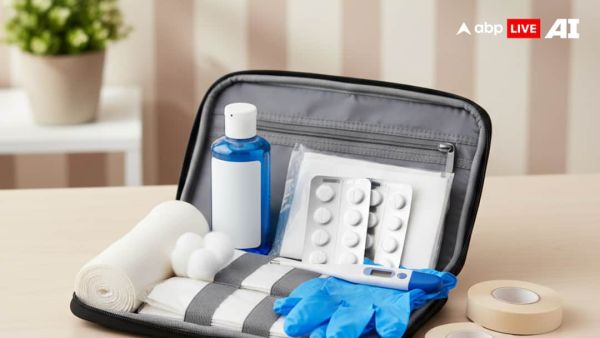
- Gauze Pads: Use for covering broken skin or to apply pressure to control bleeding until help arrives.
- Adhesive Bandages (Band-Aids): If they DEBAND, you’ll need an assortment of sizes to maintain bloodlines.
- Scotch Tape (adhesive tape): To keep gauze or bandage securely in place.
- Antiseptic Wipes or Solutions (such Dettol or Savlon): Essential for cleaning wounds and minimising the risk of infection.
- Cotton Balls and Swabs: Used for the application of antiseptic or cleaning of cuts.
- Disposable Gloves: Keep yourself clean and protect against infection with disposable gloves when treating wounds.
These supplies enable you to handle minor injuries promptly and in a sanitary manner so they should be the first items on your list.
Medications
Add common OTC medications to treat a variety of minor conditions next.
- Paracetamol or Ibuprofen: For temperatures, body aches or for mild pain relief.
- Antihistamines (Cetirizine or Loratadine): To counter allergic reactions, insect bites, and skin irritations.
- Antacids: To neutralize stomach acid when you get the occasional bout of indigestion or heartburn.
- Oral Rehydration Salt (ORS): Treat dehydration from illness, vomiting or heat.
- Cough Drops or Throat Lozenges: For sore throats or mild coughs.
- Motion Sickness Pills: A necessity for all travelers.
Make sure you regularly look at the expiry dates and rotate medicines as they expire. If you are on medications, place a small reserve supply in your kit too.
Tools And Instruments
Crawley Town Certain equipment is essential in providing safe and effective of injuries.
- Scissors: Use to cut tape, an ace bandage or clothing in case of emergency.
- Tweezers: For pulling out splinters, glass and grit from cuts and grazes.
- Thermometer: Used to transdermally measure body temperature.
- Instant Cold Pack: For swelling, bruising or minor sprains.
- Safety Pins: Can also be useful in holding bandages or fashioning temporary slings.
- Torch: Needed, you know for mood lighting when the lights go out.
Having all of these things in place means that you’re absolutely ready to act and respond if the worst comes to the worst.
Emergency And Personal Items
At the very least, your first aid kit should contain not only medical supplies but also information and sanitation.
- Emergency Contact Numbers: Include your doctor, nearest hospital, ambulance and family contact numbers.
- First Aid Manual or Quick Reference Card: You may know needed procedures, but the trauma of a critter bite can make your mind go blank at just the wrong moment.
- Family’s Allergies and Current Medications: This is especially useful when someone has asthma, diabetes or potentially life-threatening allergies.
- Hand Sanitizer: For cleaning hands before treating wounds.
- Notepad and Pen: To write down symptoms or something the doctor tells you.
They’re small, but invaluable, when it comes to your disaster response process.
Additional Items For Families
Every household is different, so make your kit specific to your family.
- Digital Thermometer (for babies and kids): For little ones.
- Burn Cream or Aloe Vera Gel: For mild burns and for scalds.
- Calamine Lotion: To use on rashes, if you itch, insect bites.
- Pet-Safe Antiseptic: If you’re a pet owner.
- Pain-Relief Spray or Muscle Rub: Good for sports injuries and muscle strains.
Dr. Kirti K Pradhan is the Associate Consultant - Plastic and Cosmetic Surgery at Manipal Hospital, Bhubaneshwar
[Disclaimer: The information provided in the article is shared by experts and is intended for general informational purposes only. It is not a substitute for professional medical advice, diagnosis, or treatment. Always seek the advice of your physician or other qualified healthcare provider with any questions you may have regarding a medical condition.]
Contact to : xlf550402@gmail.com
Copyright © boyuanhulian 2020 - 2023. All Right Reserved.