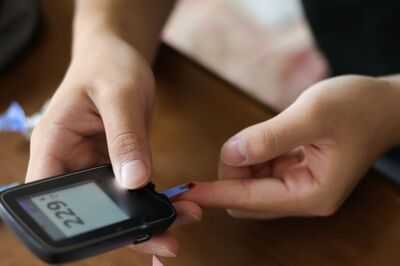
Diabetes UK is urging Brits to watch out for telltale signs they might have the widespread condition, with experts estimating "1.3 million people are currently living with type 2 diabetes but are yet to be diagnosed".
According to Diabetes UK, there are seven key indicators to be aware of, and you might be dismissing them as perfectly normal. Describing "prediabetes", the charity explains that this "means that your blood sugars are higher than usual."
There's no need to panic though, as they are "not high enough for you to be diagnosed with type 2 diabetes". However, it does mean "you are at high risk of developing type 2 diabetes".
- G-string bikinis banned from another beach and women have same complaint
- Ryan Murphy's 'unhinged' body horror The Beauty leaves fans 'disturbed'
Discussing symptoms, the charity clarifies: "Prediabetes doesn't have any symptoms. If you start to have any of the symptoms of type 2 diabetes, it means you have probably already developed it."
Given this, understanding the risk factors is crucial. Indeed, "a lot of people don't get any symptoms when it comes to type 2 diabetes, or don't notice them." However, there are several red flags worth monitoring, including:
Sometimes referred to as borderline diabetes, these elevated blood sugar levels can be identified through blood tests. The clinical terms for higher-than-normal blood sugars are:
- impaired fasting glucose (IFG)
- impaired glucose tolerance (IGT)
- impaired glucose regulation (IGR)
- non-diabetic hyperglycaemia
But why are these terms important? The health experts explain: "These tests are a mix of fasting or non-fasting and they all help your healthcare team to understand your risk of developing type 2 diabetes.
"So, if you’ve been told you have any of these, knowing this is the first step to being able to do something about it. And for many people there are things you can do to reduce your risk of type 2 diabetes."
Can I prevent diabetes?You can if you act in time. The experts stress "many people can reduce their risk of type 2 diabetes, and it may be possible to prevent or delay the condition developing". But don't delay and make the changes now.
These are some things to remember:
- Warning: Prediabetes means your blood sugar is high and you are at risk, but you can still turn it around.
The problem: In type 2 diabetes, your insulin stops working correctly, so sugar builds up in your blood. Your body tries to fix this by pumping out extra insulin to keep up.
The breaking point: Eventually, your pancreas wears out and can't keep making enough insulin, causing blood sugar to reach dangerous levels.
Hope: You aren't stuck. With lifestyle changes, you can prevent or delay type 2 diabetes by up to 50%.
That's why it's very important to know the risk factors:
- You’re more at risk if you’re white and over 40 or over 25 if you’re African-Caribbean, Black African, or South Asian.
- You’re two to six times more likely to get type 2 diabetes if you have a parent, brother, sister or child with diabetes.
- Type 2 diabetes is two to four times more likely in people of South Asian descent and African-Caribbean or Black African descent.
- You’re more at risk if you’ve ever had high blood pressure.
- You’re more at risk of type 2 diabetes if you’re living with being overweight or obese.
Diabetes UK stress that "being at risk doesn’t mean you will definitely develop type 2 diabetes" but you can begin by making some small changes. This includes:
- Manage your weight
- Eat a healthy and balanced diet
- Reducing your intake of sugar-sweetened drinks, red and processed meats (beef, lamb, pork, ham and sausages), refined carbohydrates (sugary snacks, white bread, sugary cereals) and potatoes, particularly fries.
- Be more active
You may be eligible for a free NHS Health Check. This will check for health conditions, including type 2 diabetes.
Contact to : xlf550402@gmail.com
Copyright © boyuanhulian 2020 - 2023. All Right Reserved.