United States: A powerful winter storm has swept across a vast portion of the United States, bringing extreme cold, heavy snowfall, ice accumulation, and widespread disruption to daily life. The system affected more than half of the country’s population, forcing emergency declarations in over 20 states and leaving tens of thousands of homes without electricity. From the Rocky Mountains to New England, the storm created hazardous conditions that strained infrastructure, transportation networks, and emergency services.
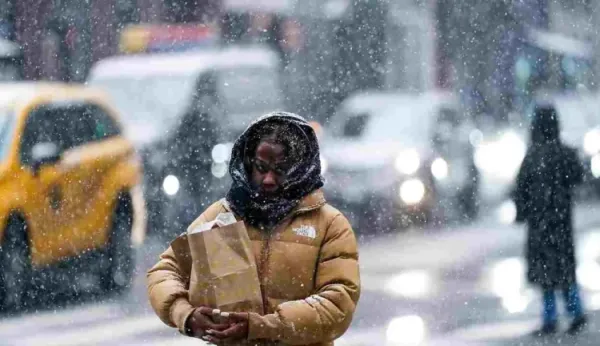
Massive Weather System Impacts Millions
Nearly 190 million people across 37 states were placed under winter weather alerts as the storm expanded eastward. Snow, sleet, and freezing rain stretched from New Mexico through the Tennessee Valley, while heavier snowfall advanced into the Midwest and mid-Atlantic regions. Meteorologists described the system as one of the most expansive winter weather events of the season, with conditions rapidly deteriorating over a short period.
Extreme Cold and Dangerous Wind Chills
In addition to heavy precipitation, the storm brought dangerously low temperatures to central and eastern parts of the country. Wind chill values plunged into the minus 20s and minus 30s in several regions, with temperatures ranging between 10 and 40 degrees below seasonal averages. Weather officials warned that prolonged exposure to these conditions posed serious health risks, particularly for vulnerable populations.
Widespread Power Outages Reported
Power infrastructure suffered significant damage as ice and heavy snow weighed down transmission lines and equipment. More than 132,000 homes nationwide were reported without electricity by Saturday. Southern and southwestern states faced some of the most severe outages, with Texas, Louisiana, and New Mexico among the hardest hit.
Texas alone reported over 57,000 customers without power, while Louisiana recorded outages affecting more than 45,000 customers, roughly two percent of the state’s total. Northern Louisiana experienced the most severe impacts due to heavy ice accumulation, which made repair efforts challenging and dangerous.
Air and Ground Travel Severely Disrupted
Transportation systems across the country were thrown into chaos as the storm intensified. More than 9,000 flights were canceled nationwide over the weekend, with officials warning that further cancellations were likely as conditions worsened. Aviation experts noted that the storm could rank among the worst weather-related disruptions in US aviation history.
Major airports, including those serving Dallas-Fort Worth, Charlotte, Nashville, and New York’s LaGuardia, experienced extensive cancellations and delays. In some locations, the majority of scheduled departures were scrapped, leaving travelers stranded and prompting airlines to issue travel advisories.
Emergency Declarations and Federal Response
As the storm expanded, emergency declarations were issued across at least 20 states, including Texas, New York, New Jersey, Pennsylvania, Georgia, and several Midwestern and Southern states. Washington, D.C. also declared a state of emergency, leading to federal office closures and maximum telework policies.
Federal emergency declarations were approved for multiple states, enabling assistance through national disaster response agencies. These measures allowed for debris removal, emergency protective actions, and additional support for state and local authorities managing the crisis.
National Guard and Local Warnings
National Guard units from at least a dozen states were activated to assist with road clearing, rescue operations, and aid to stranded motorists. In South Carolina, officials warned residents to prepare for prolonged power outages lasting several days due to heavy ice damage.
State leaders urged communities to check on neighbors, particularly elderly residents and those with medical needs. Officials in Virginia described the approaching system as potentially catastrophic, citing the risk of extended outages even after snowfall and freezing rain subsided.
Energy Grid Under Renewed Scrutiny
The storm once again raised concerns about the resilience of the national power grid, especially in Texas. Emergency measures were authorized to allow grid operators to deploy backup generation resources and prevent large-scale blackouts. Energy officials acknowledged that extreme winter demand combined with harsh weather continues to strain parts of the system.
Utilities across the country mobilized tens of thousands of workers from multiple states to restore power as soon as conditions allow. Despite these efforts, officials cautioned that restoration could take time due to ongoing weather hazards.
Gradual Improvement Expected
Forecasters indicated that conditions should slowly improve in the coming week, although snow and bitter cold may persist in parts of New England and the Great Lakes region. Until then, authorities advised residents to stay home where possible, limit travel, and prepare for continued disruptions as the storm completes its eastward path.
Contact to : xlf550402@gmail.com
Copyright © boyuanhulian 2020 - 2023. All Right Reserved.