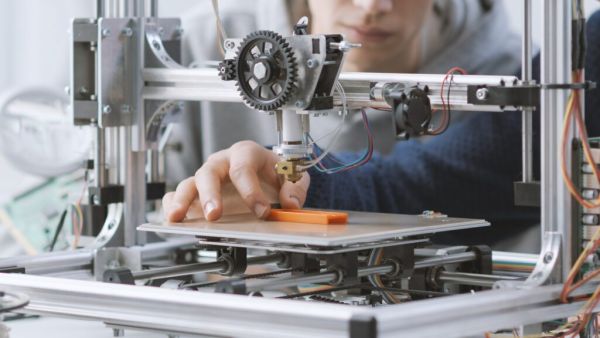
For most folks, 3D printing is nothing more than a fun little hobby. However, some prefer to learn the ins and outs of how 3D printers work so they can use them to create products that they can sell. Considering how much people love trinkets, the relatively low cost of smaller items, and the presence of maker-centric platforms such as Etsy, selling 3D-printed items seems like the perfect side hustle to make some extra cash. At the same time, though, there are situations where doing so can put you on the wrong side of the law.
One such situation involves selling 3d prints based on existing, copyrighted properties. Using the likeness of characters like Pikachu or Mickey Mouse, for example, will cause you to run afoul of copyright law, which stipulates that only the legal owner of a copyrighted work (such as a fictional character) can legally reproduce, make decisions about, and profit from it. Without legally binding permission from the owner, printing and selling (thus, profiting) from such material is a no-go.
Similarly, using and selling 3D prints created using another individual’s blueprints can be legally troublesome. Some of these blueprints may only be shared under non-commercial licenses, preventing you from using them to make a profit. With all of that said, it’s quite easy to stay in the good graces of the law while running a 3D printing business. Here’s how to keep your 3D printing business venture entirely legal.
Staying on the right side of the law as a 3D print vendor
AlexandrinaZ/Shutterstock
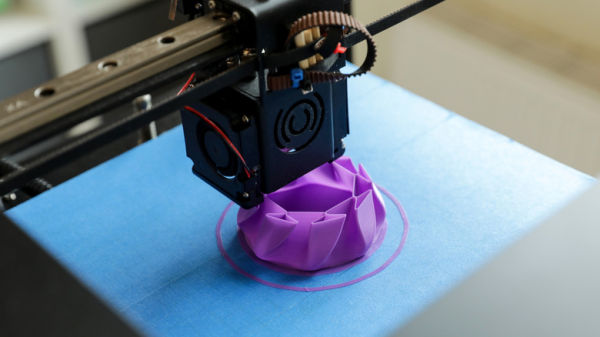
Though it does come with some legal limitations, becoming a 3D print vendor legally is entirely possible. The easiest way is to come up with your own designs to sell. It may take time and practice, but 3D modeling software such as FreeCAD and Tinkercad will allow you to come up with pretty much anything to print and sell. Alternatively, if you’re not confident in your abilities with 3D modeling programs, there’s no shame in reaching out to a professional designer to collaborate with you. Granted, they will likely charge you to help bring your ideas to life, but it beats stealing and ending up in legal trouble.
Alternatively, there is a way to use designs from the best websites for 3D print files without breaking the law. Some designers release their 3D print files under Creative Commons licenses that allow modification and commercial use. If you are to go this route, it’s imperative that you’re aware of what you can and can’t do with specific Creative Commons licenses, as well as be sure of the Creative Commons license applied to a blueprint. The mere presence of a CC label on a file doesn’t mean it’s fair game for commercial use. If it has an “NC” — noncommercial — label, then you won’t legally be able to sell a 3D print.
All in all, while there may be legal boundaries to be mindful of, making some extra cash from 3D printing is completely valid. So long as you’re aware of the limitations, there’s no reason why you can’t turn it into a thriving side gig, either completely on your own or with the aid of others.