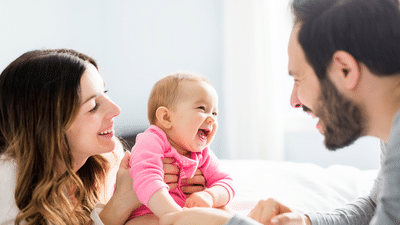
The Science of Support: Why Community Heals Postpartum Stress
The postpartum period is one of the most transformative phases in a mother’s life. While it brings joy, bonding, and new beginnings, it can also bring exhaustion, loneliness, identity shifts, and intense emotional load. New mothers, in particular, often think they can do anything independently because contemporary life can make households feel isolated. In the past, people have always gotten together to help each other heal after giving birth, whether through traditional events or modern support groups. People from different cultures come together to support new moms by providing food, comfort, emotional support, and a sense of duty. Science has finally figured out what tradition has always known: support heals.
A community isn't just a lot of people. People can talk about their feelings and get help from support groups, partners, close family, trusted friends, neighbours, or even online communities. Connection is vital for keeping stress hormones in check, stabilising emotions, and helping people feel less overwhelmed. When a mother feels like someone cares about her and understands her, her body and mind become stronger.
How Connection Helps the Nervous System After Giving Birth
People are made to connect with others. After delivering a baby, the body undergoes hormonal changes that make people more sensitive to their feelings. Support from the community helps calm this sensitivity. Here’s how support regulates stress: When a mother receives a comforting touch or kind words from someone she trusts, her body releases oxytocin, which helps calm her nervous system and reduce stress responses.
When all the responsibilities fall on one person, postpartum problems get worse. When people share their support, the mental and physical load is lighter and easier to handle. Here's how shared care can help:
Feeling misunderstood or emotionally alone is one of the biggest causes of stress after giving birth. Community helps end this silence. Here's how validation helps with healing:
Hormonal changes have a significant effect on how people feel after giving birth. Supportive interactions can have a substantial impact on hormonal balance. Here's how positive contact affects hormones:
One of the most common but hidden feelings new mothers have is loneliness. Community gives you someone to be with when you might feel alone. Here's how connection fights loneliness:
Support groups give moms a safe place to meet and talk without being judged. Hearing other people's stories can help you see things from a different point of view and feel better. Here's how peer groups can help:
During recovery after giving birth, small acts of help can make a big difference. Community support offers practical relief that directly lowers stress. Ways to practically help support you:
Support doesn't have to be big or hard to understand. A reliable, caring support group can help you handle motherhood without feeling too stressed. Here are some ways to grow your network:
Whether you’re pregnant, a new mom, or navigating postpartum, you don’t have to do it alone. Join our support group to connect, share, and support one another.
FAQs on The Science of Support: Why Community Heals Postpartum Stress
Does help from the community really help with postpartum stress?
Yes. Emotional presence, shared responsibilities, and social connection all help people manage their emotions and reduce stress.
What kind of help do you need most after having a baby?
It's essential to get both emotional and practical help. Overall, feeling understood, valued, and helped with daily tasks makes you feel better.
Can joining an online group help with stress after having a baby?
Yes. Online groups can help you meet new people, understand them, and feel like your feelings are real, especially if you can't get help in person.
A community isn't just a lot of people. People can talk about their feelings and get help from support groups, partners, close family, trusted friends, neighbours, or even online communities. Connection is vital for keeping stress hormones in check, stabilising emotions, and helping people feel less overwhelmed. When a mother feels like someone cares about her and understands her, her body and mind become stronger.
How Connection Helps the Nervous System After Giving Birth
People are made to connect with others. After delivering a baby, the body undergoes hormonal changes that make people more sensitive to their feelings. Support from the community helps calm this sensitivity. Here’s how support regulates stress: When a mother receives a comforting touch or kind words from someone she trusts, her body releases oxytocin, which helps calm her nervous system and reduce stress responses.
- You feel calmer when someone offers emotional presence, which helps reduce stress responses.
- You feel more emotionally safe when your feelings are acknowledged.
- When you feel connected to other people, it's easier to deal with problems.
When all the responsibilities fall on one person, postpartum problems get worse. When people share their support, the mental and physical load is lighter and easier to handle. Here's how shared care can help:
- You gain more rest when others participate in feeding, soothing, or household tasks.
- You experience less emotional pressure because you are not managing everything on your own.
- You recover faster physically when you are allowed moments of stillness and uninterrupted rest.
Feeling misunderstood or emotionally alone is one of the biggest causes of stress after giving birth. Community helps end this silence. Here's how validation helps with healing:
- When you hear other moms talk about similar things, you feel less alone.
- When people listen to your feelings instead of ignoring them, you feel more sure of yourself.
- When other people show empathy and support, you understand your journey better.
Hormonal changes have a significant effect on how people feel after giving birth. Supportive interactions can have a substantial impact on hormonal balance. Here's how positive contact affects hormones:
- You release more oxytocin when you experience kindness or touch, which creates emotional stability.
- You may feel less anxiety as cortisol levels decrease in the presence of support.
- You gain emotional comfort when your body experiences a sense of oneness, whether with your baby or loved ones.
One of the most common but hidden feelings new mothers have is loneliness. Community gives you someone to be with when you might feel alone. Here's how connection fights loneliness:
- Having someone to share everyday moments with makes you feel supported.
- When someone asks how you're doing, you feel better emotionally.
- You can make real connections with people by sharing stories, laughing, or having comforting conversations.
Support groups give moms a safe place to meet and talk without being judged. Hearing other people's stories can help you see things from a different point of view and feel better. Here's how peer groups can help:
- You heal by being honest about your feelings and sharing experiences with others.
- You learn how to deal with problems that have worked for other people in similar situations.
- A sense of belonging and understanding gives you power.
During recovery after giving birth, small acts of help can make a big difference. Community support offers practical relief that directly lowers stress. Ways to practically help support you:
- When someone helps you with meals, chores, or errands, you save energy.
- When you share your responsibilities, you don't feel as overwhelmed.
- You think more clearly because you don't have many tasks to handle at once.
Support doesn't have to be big or hard to understand. A reliable, caring support group can help you handle motherhood without feeling too stressed. Here are some ways to grow your network:
- You can talk to close family members who can help you feel better and offer practical support.
- You can include friends who don't judge you.
- You can join local or online groups for moms to talk about things you share.
- You can get your partner involved by clearly telling them what you need.
- You can ask your neighbours or people in your community for small favours.
- You need to be open, patient, and willing to be vulnerable to heal after giving birth. It's not weak to ask for help; it's a necessary part of taking care of yourself. That is how getting help makes you stronger:
- Letting other people help you saves you emotional and physical energy.
- You set healthier limits when you know when you need to rest or be alone.
- You can strengthen your relationships by being honest and taking responsibility.
Whether you’re pregnant, a new mom, or navigating postpartum, you don’t have to do it alone. Join our support group to connect, share, and support one another.
FAQs on The Science of Support: Why Community Heals Postpartum Stress
Yes. Emotional presence, shared responsibilities, and social connection all help people manage their emotions and reduce stress.
It's essential to get both emotional and practical help. Overall, feeling understood, valued, and helped with daily tasks makes you feel better.
Yes. Online groups can help you meet new people, understand them, and feel like your feelings are real, especially if you can't get help in person.
Contact to : xlf550402@gmail.com
Copyright © boyuanhulian 2020 - 2023. All Right Reserved.