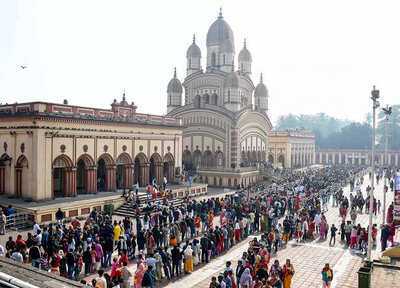
From Kamakhya to Kalighat: Where Goddess Kali Tests Courage, Not Comfort
Goddess Kali is worshipped for truth, not comfort. Across India, her temples rise at places where fear begins to dissolve and awareness slowly awakens. These sacred spaces are more than religious landmarks. They are emotional sanctuaries where devotees face ego, loss, courage, and surrender with honesty. Based on ancient scriptures temple traditions and lived devotional experience Kali worship is understood as a path of inner strength and clarity. For spiritual travellers, these temples offer grounding, protection, and transformation. The journey from Kamakhya to Kalighat is not about distance or ritual alone. It is about awakening consciousness through trust, discipline and fearless devotion.
Kamakhya Temple, Assam

Kamakhya Temple in Assam is among the most revered Shakti Peethas of India and holds deep significance in Shakta tradition. Rooted in ancient scriptures and centuries of continuous worship, the temple represents raw feminine power and the energy of creation itself. Unlike idol based worship, the Goddess is honoured through a natural yoni stone, symbolising life force and fertility. Devotees and scholars believe Kamakhya transforms inner desire into purposeful awareness. The temple’s teachings emphasise emotional acceptance, balance between material life and spiritual growth, and disciplined reverence guided by tradition, experience, and lived devotional practice.
Dakshineswar Kali Temple, West Bengal

Situated on the banks of the sacred Ganga, Dakshineswar Kali Temple is widely known for its calm and nurturing spiritual atmosphere. Goddess Kali is worshipped here as a compassionate mother who listens without judgment. Based on historical records and the spiritual legacy of Sri Ramakrishna Paramahamsa, the temple emphasises surrender, trust, and simplicity of heart. Many devotees and visitors report emotional healing, reduced mental stress, and improved clarity after prayer. The practices followed at Dakshineswar reflect authentic devotional traditions, making it a trusted spiritual centre where faith grows through quiet devotion rather than fear or rigid ritual.
Kalimath Temple, Uttarakhand
Kalimath Temple in Uttarakhand is unique because it has no visible idol for worship. According to long standing belief and regional temple tradition, the presence of Goddess Kali is felt beneath the earth, symbolising restrained and controlled power. Devotees visit Kalimath during challenging phases of life to seek inner strength and emotional stability. Based on spiritual experience and oral tradition, the temple’s silence encourages deep reflection and discipline. Kalimath teaches that true power does not seek attention or display. It works silently within the devotee, shaping patience, resilience, and clarity through faith and self control.
Harsiddhi Mata Temple, Madhya PradeshHarsiddhi Mata is worshipped as a powerful form of Goddess Kali who represents victory earned through perseverance. Ancient texts and long standing temple traditions connect this shrine with courage, endurance, and steady progress after hardship. Devotees and practitioners believe sincere prayer here helps reduce fear, remove delays, and strengthen inner resolve. The spiritual atmosphere of the temple feels firm and grounding, offering emotional stability during uncertain phases of life. Based on generational worship practices and devotional experience, Harsiddhi Mata reminds spiritual travellers that lasting success grows from discipline, patience, and unwavering faith rather than sudden change.
Chamundeshwari Temple, KarnatakaChamundeshwari represents Goddess Kali in her role as the remover of arrogance and inner darkness. Situated atop Chamundi Hill, the temple symbolises the spiritual journey of rising above ego and ignorance. According to ancient legends and long followed worship traditions, devotees visit this shrine seeking mental clarity, protection from negative influences, and strength during inner conflicts. The temple experience encourages courage, self discipline, and humility. Spiritual practitioners believe true victory begins when pride softens and awareness grows. These teachings, supported by mythology and lived devotion, make Chamundeshwari a trusted place for inner transformation and emotional balance.
Mangal Chandika Temple, OdishaMangal Chandika is worshipped as a powerful guardian of families, communities, and sacred spaces. Rooted in regional Shakti traditions and supported by centuries of devotional practice, this temple represents a rare balance between fierce protective energy and nurturing maternal care. Devotees visit seeking safety, domestic harmony, and emotional stability during uncertain phases of life. According to traditional belief and practitioner experience, the Goddess here strengthens inner courage while calming fear and instability. Her form teaches that true power does not arise from destruction but from protection, responsibility, and compassion guided by spiritual awareness and disciplined faith.
Dattatreya Kali Temple, Himachal PradeshThis temple uniquely unites the worship of Goddess Kali with the wisdom tradition of Lord Dattatreya, creating a space focused on awareness and self control. Situated in the peaceful mountain region, it has long attracted seekers pursuing knowledge, discipline, and inner stability. According to local tradition and devotional experience, prayers offered here are believed to sharpen clarity of thought and strengthen restraint over impulses. The quiet surroundings naturally support reflection and meditation. Scriptural associations and generations of worship highlight the teaching that spiritual power must be guided by wisdom, balance, and responsibility to create lasting inner growth.
Kalighat Temple, West BengalKalighat Temple is one of the most revered Shakti Peethas in India and a powerful centre of Kali worship. Rooted in ancient scriptures and centuries of continuous devotion, this temple represents the direct and transformative energy of Goddess Kali. Devotees visit Kalighat seeking relief from fear, grief, and mental confusion. Based on traditional belief and practitioner experience, the Goddess here is known for confronting false comfort and inner denial. The spiritual teaching of Kalighat emphasises self honesty, clarity, and courage. Rather than soothing illusions, Kali’s presence is believed to dissolve them, guiding devotees toward truth, acceptance, and inner strength.
Unlock insightful tips and inspiration on personal growth, productivity, and well-being. Stay motivated and updated with the latest at My Life XP.
Frequently Asked Questions (FAQs)
What makes Kalighat Temple spiritually important?
Kalighat is one of the most sacred Shakti Peethas, believed to mark the spot where parts of Goddess Sati fell. It holds deep mythological and spiritual significance in Hindu tradition.
Why is Goddess Kali at Kalighat considered intense?
Devotees believe Kali here represents direct truth and transformation. Her energy is associated with confronting fear, loss, and emotional confusion rather than offering surface comfort.
What do devotees usually pray for at Kalighat?
People commonly seek relief from anxiety, grief, relationship struggles, and inner confusion. Many pray for clarity and courage to face life honestly.
Is Kalighat suitable for first time spiritual travellers?
Yes. While the energy feels strong, sincere intention and respect are considered more important than prior experience.
Does Kalighat follow specific rituals?
Traditional rituals are performed by temple priests, but personal prayer and silent reflection are equally valued by devotees.
Kamakhya Temple, Assam
The ancient Shakti Peetha where creation energy is worshipped
Kamakhya Temple in Assam is among the most revered Shakti Peethas of India and holds deep significance in Shakta tradition. Rooted in ancient scriptures and centuries of continuous worship, the temple represents raw feminine power and the energy of creation itself. Unlike idol based worship, the Goddess is honoured through a natural yoni stone, symbolising life force and fertility. Devotees and scholars believe Kamakhya transforms inner desire into purposeful awareness. The temple’s teachings emphasise emotional acceptance, balance between material life and spiritual growth, and disciplined reverence guided by tradition, experience, and lived devotional practice.
Dakshineswar Kali Temple, West Bengal
The temple that shaped Ramakrishna Paramahamsa’s devotion
Situated on the banks of the sacred Ganga, Dakshineswar Kali Temple is widely known for its calm and nurturing spiritual atmosphere. Goddess Kali is worshipped here as a compassionate mother who listens without judgment. Based on historical records and the spiritual legacy of Sri Ramakrishna Paramahamsa, the temple emphasises surrender, trust, and simplicity of heart. Many devotees and visitors report emotional healing, reduced mental stress, and improved clarity after prayer. The practices followed at Dakshineswar reflect authentic devotional traditions, making it a trusted spiritual centre where faith grows through quiet devotion rather than fear or rigid ritual.
Kalimath Temple, Uttarakhand
The ancient Shakti Peetha where creation energy is worshipped
Kalimath Temple in Uttarakhand is unique because it has no visible idol for worship. According to long standing belief and regional temple tradition, the presence of Goddess Kali is felt beneath the earth, symbolising restrained and controlled power. Devotees visit Kalimath during challenging phases of life to seek inner strength and emotional stability. Based on spiritual experience and oral tradition, the temple’s silence encourages deep reflection and discipline. Kalimath teaches that true power does not seek attention or display. It works silently within the devotee, shaping patience, resilience, and clarity through faith and self control.
Harsiddhi Mata Temple, Madhya PradeshHarsiddhi Mata is worshipped as a powerful form of Goddess Kali who represents victory earned through perseverance. Ancient texts and long standing temple traditions connect this shrine with courage, endurance, and steady progress after hardship. Devotees and practitioners believe sincere prayer here helps reduce fear, remove delays, and strengthen inner resolve. The spiritual atmosphere of the temple feels firm and grounding, offering emotional stability during uncertain phases of life. Based on generational worship practices and devotional experience, Harsiddhi Mata reminds spiritual travellers that lasting success grows from discipline, patience, and unwavering faith rather than sudden change.
Chamundeshwari Temple, KarnatakaChamundeshwari represents Goddess Kali in her role as the remover of arrogance and inner darkness. Situated atop Chamundi Hill, the temple symbolises the spiritual journey of rising above ego and ignorance. According to ancient legends and long followed worship traditions, devotees visit this shrine seeking mental clarity, protection from negative influences, and strength during inner conflicts. The temple experience encourages courage, self discipline, and humility. Spiritual practitioners believe true victory begins when pride softens and awareness grows. These teachings, supported by mythology and lived devotion, make Chamundeshwari a trusted place for inner transformation and emotional balance.
Mangal Chandika Temple, OdishaMangal Chandika is worshipped as a powerful guardian of families, communities, and sacred spaces. Rooted in regional Shakti traditions and supported by centuries of devotional practice, this temple represents a rare balance between fierce protective energy and nurturing maternal care. Devotees visit seeking safety, domestic harmony, and emotional stability during uncertain phases of life. According to traditional belief and practitioner experience, the Goddess here strengthens inner courage while calming fear and instability. Her form teaches that true power does not arise from destruction but from protection, responsibility, and compassion guided by spiritual awareness and disciplined faith.
Dattatreya Kali Temple, Himachal PradeshThis temple uniquely unites the worship of Goddess Kali with the wisdom tradition of Lord Dattatreya, creating a space focused on awareness and self control. Situated in the peaceful mountain region, it has long attracted seekers pursuing knowledge, discipline, and inner stability. According to local tradition and devotional experience, prayers offered here are believed to sharpen clarity of thought and strengthen restraint over impulses. The quiet surroundings naturally support reflection and meditation. Scriptural associations and generations of worship highlight the teaching that spiritual power must be guided by wisdom, balance, and responsibility to create lasting inner growth.
Kalighat Temple, West BengalKalighat Temple is one of the most revered Shakti Peethas in India and a powerful centre of Kali worship. Rooted in ancient scriptures and centuries of continuous devotion, this temple represents the direct and transformative energy of Goddess Kali. Devotees visit Kalighat seeking relief from fear, grief, and mental confusion. Based on traditional belief and practitioner experience, the Goddess here is known for confronting false comfort and inner denial. The spiritual teaching of Kalighat emphasises self honesty, clarity, and courage. Rather than soothing illusions, Kali’s presence is believed to dissolve them, guiding devotees toward truth, acceptance, and inner strength.
Unlock insightful tips and inspiration on personal growth, productivity, and well-being. Stay motivated and updated with the latest at My Life XP.
Frequently Asked Questions (FAQs)
What makes Kalighat Temple spiritually important?
Kalighat is one of the most sacred Shakti Peethas, believed to mark the spot where parts of Goddess Sati fell. It holds deep mythological and spiritual significance in Hindu tradition.
Why is Goddess Kali at Kalighat considered intense?
Devotees believe Kali here represents direct truth and transformation. Her energy is associated with confronting fear, loss, and emotional confusion rather than offering surface comfort.
What do devotees usually pray for at Kalighat?
People commonly seek relief from anxiety, grief, relationship struggles, and inner confusion. Many pray for clarity and courage to face life honestly.
Is Kalighat suitable for first time spiritual travellers?
Yes. While the energy feels strong, sincere intention and respect are considered more important than prior experience.
Does Kalighat follow specific rituals?
Traditional rituals are performed by temple priests, but personal prayer and silent reflection are equally valued by devotees.
Contact to : xlf550402@gmail.com
Copyright © boyuanhulian 2020 - 2023. All Right Reserved.