Tamil Nadu: is approaching the summer season with noticeably reduced water reserves, raising concerns about drinking water security across several regions. A modest shortfall in rainfall during the northeast monsoon has had a cumulative impact on reservoir storage, leaving the state with significantly less water than it had at the same time last year. Officials say the situation will require careful planning and restrained use in the months ahead to avoid shortages during peak summer.
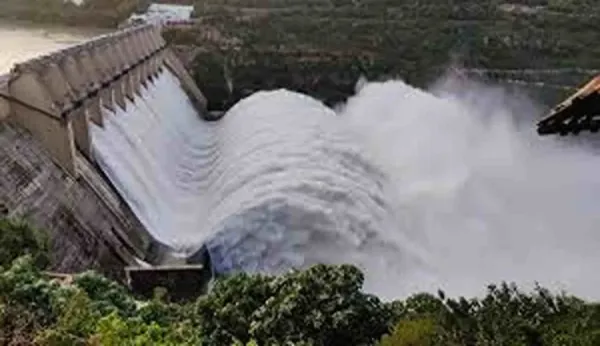
Reservoir Storage Shows Sharp Year-on-Year Decline
Figures released by the Water Resources Department indicate that the combined storage across 90 major reservoirs stood at 146.373 thousand million cubic feet as of Monday. This marks a decline of nearly 20 percent compared with the corresponding period last year, when storage levels were considerably higher. The current volume represents just over 65 percent of the state’s total reservoir capacity of 224.343 tmcft, underscoring the scale of the drop.
Comparison With Last Year Highlights the Gap
At the same point last year, reservoirs held 176.560 tmcft of water, accounting for nearly 79 percent of total capacity. The difference of more than 30 tmcft reflects how even a marginal reduction in seasonal rainfall can translate into substantial stress on storage systems. Water managers note that the contrast is particularly concerning as the state moves toward the hottest part of the year, when demand typically rises.
Monsoon Shortfall Impacts Key Catchment Areas
Officials attribute the lower storage primarily to below-normal rainfall in important catchment regions during the northeast monsoon. These areas play a critical role in replenishing major reservoirs, and the lack of sustained rainfall limited inflows during what is usually a recovery period. As a result, reservoirs were unable to build buffers that are essential for meeting summer demand.
Rapid Drawdown Raises Summer Concerns
The pace at which stored water is being depleted has added to official worries. On January 2, combined storage was recorded at 168.418 tmcft, or about 75 percent of capacity. In just over three weeks, nearly 10 percent of that stored water has been used. Authorities point to a combination of regular consumption and increased evaporation under dry weather conditions as the main reasons for this rapid decline.
Major Dams Record Falling Inflows
Several large reservoirs, including Mettur and Bhavanisagar, have seen water levels drop steadily due to weak inflows. According to senior officials, the inflow into the Mettur reservoir has reduced dramatically over the past two months. From nearly 4,800 cubic feet per second at the start of December, inflows had fallen to just 70 cusecs by Sunday. With dry conditions expected to persist, officials anticipate further pressure from both usage and evaporation.
Irrigation Releases Put on Hold
In response to current storage trends, the Water Resources Department has decided not to release water for irrigation until June. Officials say existing reserves must be reserved exclusively for drinking water to ensure uninterrupted supply through the summer. This precautionary approach is intended to stretch available resources until the next monsoon brings relief.
Dry Spell Used for Maintenance Work
While the dry conditions pose challenges, authorities are using the period to carry out maintenance work in some areas. Desilting operations have begun in several smaller waterbodies, including lakes in western and delta districts. Officials say the absence of rainfall provides an opportunity to complete these works efficiently before the onset of the next monsoon, improving storage capacity in the long term.
Emphasis on Conservation Measures
With reservoir levels falling faster than usual, officials stress that prudent water management will be essential. Conservation efforts, efficient distribution, and close monitoring of usage are expected to play a key role in navigating the summer months. Authorities have urged all stakeholders to treat water as a limited resource until replenishment occurs.
Contact to : xlf550402@gmail.com
Copyright © boyuanhulian 2020 - 2023. All Right Reserved.