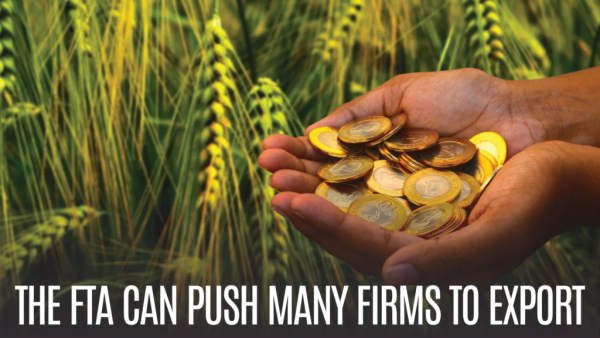
Kolkata: The agriculture sector has traditionally been an anchor for the economy as well as the lifeline for the entire rural economy. It is also the largest employer in this country. While the domestic performance of the agri sector is always important, the export markets have always been a source of good margins for the entire sector. The India-EU free trade agreement (FTA) has created enormous possibilities for the agriculture sector which can export a large number of items free of duty once the deal is operationalised, which can be early 2027.
Preferential access for agri exports
The government has provided a long list of items that can benefit from preferential market access to the EU region. These include processed foods, cash crops such as tea, coffee and spices, fruits such as table grapes, gherkins and cucumbers, some other fruit and vegetable products, sweet corn, dried onion and also sheep and lamb meat.
The direct outcome of the zero-duty access, which will result in a decline in prices of the items (all factors remaining constant) for the end consumer in the EU region will have positive economic spin offs for the rural incomes. If rural incomes go up, it can have a cascading impact on the entire rural economy as consumption can rise too. Since a lot of women work in the agriculture sector in India, it can also spell benefits for the income of women, the social impact of which, in turn, is well known. Increased exports of agri products to the EU region will also enhance the country’s position as a supplier of premium items in Europe and possibly also in other regions of the world, which regards Europe as a region of quality conscious buyers.
Safeguards for the domestic sector
Due to its size and the rising income levels, the Indian market is always lucrative for a number of food products. Though India has gained duty-free access of a number of its agri- products, the government claimed that it has been able to safeguard sensitive sectors such as dairy, cereals, poultry, soymeal, certain fruits and vegetables keeping in view the domestic priorities. In fact, one of the major stumbling blocks in negotiating a bilateral trade deal with the US also seems to the government’s insistence that these sectors must be protected from market access by US firms. The PM himself has said on more than one occasions that the government will not compromise with the interest of the Indian farmers and dairy sector, both of which US president Donald Trump wants to open up.
“India has prudently safeguarded sensitive sectors, including dairy, cereals, poultry, soymeal, certain fruits and vegetables, etc. balancing export growth with domestic priorities. The FTA positions Indian agriculture to capture higher value in European markets, drive sectoral prosperity, and reinforces long-term resilience through sustained livelihood and reliable income opportunities,” said a statement from the commerce ministry.
Contact to : xlf550402@gmail.com
Copyright © boyuanhulian 2020 - 2023. All Right Reserved.