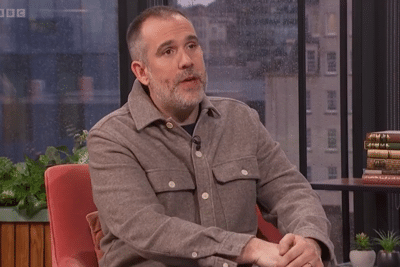
A TV doctor has shared a “key way” to speed up recovery from a nasty bug currently spreading in the UK. According to the expert, this step could help you “get back on your feet” after contracting norovirus.
The most recent data shows that cases of norovirus have risen 61 per cent in England in just two weeks. Also known as the winter vomiting bug, this illness typically causes vomiting and diarrhoea.
Speaking on BBC Morning Live, Doctor Xand van Tulleken, said this “extremely contagious” illness can “blitz its way through”. He said: “It is absolutely miserable and there will be people watching who have it at the moment and they have my enormous sympathy.
- 'My son's best hope of a stem cell transplant is his dad' says schoolboy's mum
- Cardiologist says 'know your numbers' to anyone with high blood pressure
“We've gone from 525 cases a couple of weeks ago to 800 cases now, so that's a lot, but it is worth saying for anyone who's looking at those headlines seeing ‘virus spreads across the UK’, well, yes, but this is something that UK Health Security Agency has predicted.
“We know it happens. This is an extremely contagious virus because it has not one, but two ways of getting out of your body into other people.”
When providing advice on how best to treat the illness, he said the “key” step to take was to remain hydrated. This may seem difficult due to your symptoms, but he said it is still important to keep drinking liquids.
“So the difficulty with norovirus is it makes it very hard to get fluids and keep fluids in you,” Dr Xand said. “And being hydrated is very important for all of us.
“But particularly, if you're young or you're older or you have any underlying health conditions, whether it's heart disease, or kidney problems, diabetes, it will really disrupt those things. With hydration, people will say, ‘I can't keep anything down at all’.
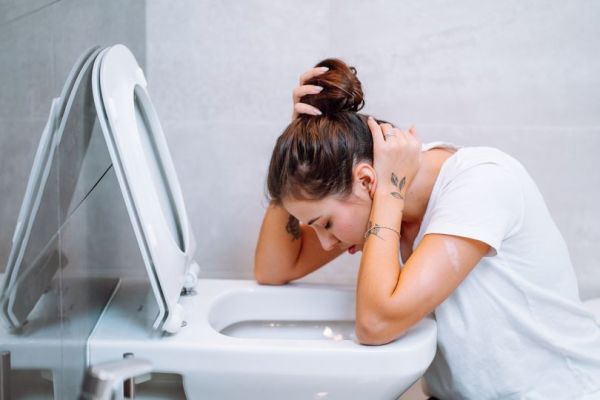
“In fact, we do know that if you're sipping fluid, even if you feel like it's coming straight back up. Some of the fluid always stays in, perhaps 10, 15, 20 per cent of the fluid that you're sipping will stay in.
“So do keep sipping. That's really key.” He continued: “And so fluids going into the more vulnerable people in the house, particularly, is really important.”
His advice is backed by the NHS, which provided the following advice for people with norovirus:
- Stay at home and get plenty of rest
- Drink lots of fluids, such as water or squash – take small sips if you feel sick
- Carry on breast or bottle feeding your baby – if they're being sick, try giving small feeds more often than usual
- Give babies on formula or solid foods small sips of water between feeds
- Eat when you feel able to – it may help to avoid foods that are fatty or spicy
- Take paracetamol if you're in discomfort – check the leaflet before giving it to your child
- Do not have fruit juice or fizzy drinks – they can make diarrhoea worse
- Do not make baby formula weaker – use it at its usual strength
- Do not give children under 12 medicine to stop diarrhoea
- Do not give aspirin to children under 16
 Symptoms
 The main symptoms of norovirus - vomiting and diarrhoea - usually start “suddenly”, but usually improve after two days. These include feeling sick, being sick, and diarrhoea. On its website, the NHS said you may also have a high temperature, headache, tummy pain, and body aches and pains.
The illness is caused by a virus that spreads through poo. “It can spread to others very easily,” the NHS said.
How to stop the spreadYou can catch norovirus from:
- Close contact with someone with norovirus
- touching surfaces or objects that have the virus on them, then touching your mouth
- Eating food that's been prepared or handled by someone with norovirus
- Drinking unclean water or infected food
Ways to ensure you don’t infect others, according to the NHS, include:
- Wash your hands with soap and water before preparing, serving or eating food
- Wash clothes and bedding that has poo or vomit on it on a 60C wash and separately from other laundry
- Clean toilet seats, flush handles, taps and bathroom door handles
- Avoid contact with others as much as possible
- Do not go to school, nursery or work until you have not been sick or had diarrhoea for two days
- Do not visit others in hospitals or places like care homes until you have not been sick or had diarrhoea for two days
You will usually recover at home in two days. However, you should “call 111 now” if:
- You're worried about a baby under 12 months
- Your child stops breast or bottle feeding while they're ill
- A child under five years has signs of dehydration, such as fewer wet nappies
- You or your child (aged five years or over) still have signs of dehydration after using oral rehydration sachets
- You or your child keep being sick and cannot keep fluid down
- You or your child have bloody diarrhoea or bleeding from the bottom
- You or your child have diarrhoea for more than seven days or vomiting for more than two days
The NHS said: “111 will tell you what to do. They can arrange a phone call from a nurse or doctor if you need one.”
Contact to : xlf550402@gmail.com
Copyright © boyuanhulian 2020 - 2023. All Right Reserved.