Delhi Air: The national capital continued to grapple with unhealthy air on Thursday, as pollution levels remained firmly in the poor category across much of the city. Data from air quality monitoring stations showed that several areas recorded readings well above safe limits, underscoring ongoing concerns for public health despite slight improvements compared to earlier in the week.
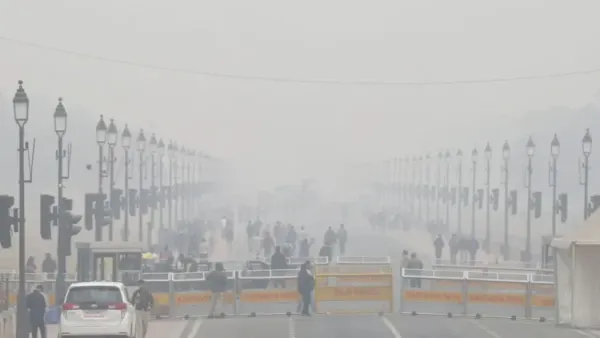
Pollution Levels Remain Elevated Across Key Areas
According to official data released by the Central Pollution Control Board, multiple locations in Delhi slipped into the very poor air quality bracket. Anand Vihar reported an AQI reading of 334, while Jahangirpuri registered 337. Other densely populated areas such as Chandni Chowk, Rohini, Patparganj and Dwarka Sector-8 also recorded values exceeding 300, indicating a significant concentration of pollutants in the air.
Several additional monitoring stations reflected poor air quality conditions, though marginally better than the worst-affected zones. Bawana, Burari Crossing, Jawaharlal Nehru Stadium, Narela, North Campus at Delhi University and IIT Delhi all reported AQI readings between 210 and 288. These levels, while below the very poor threshold, still pose health risks, particularly for children, the elderly and individuals with respiratory conditions.
Understanding the AQI Scale and Health Impact
Under the national AQI classification system, readings between 201 and 300 fall into the poor category, while values between 301 and 400 are considered very poor. Experts note that prolonged exposure to such air quality can aggravate breathing issues, reduce lung function and increase vulnerability to infections.
Although pollution levels showed limited improvement compared to previous days of severe air quality, authorities cautioned that the overall situation remains far from satisfactory. Residents have been advised to limit outdoor activities during peak pollution hours whenever possible.
Weather Conditions Add to Visibility Concerns
Alongside pollution, weather conditions are also playing a role in reduced visibility across the capital. The India Meteorological Department issued a yellow alert on Thursday, citing the likelihood of moderate fog in many parts of Delhi. Meteorologists indicated that shallow to moderate fog is expected during morning hours over the next several days, with brief exceptions at the end of January and the beginning of February.
Forecasts suggest that foggy conditions will persist on January 29, 30 and 31, potentially affecting early morning travel and daily routines. Despite these conditions, no severe weather warnings have been announced so far.
Temperature Trends and Rain Forecast
The weather department expects daytime temperatures to remain relatively cool, with maximum temperatures hovering around 18 degrees Celsius. Nighttime temperatures could drop to as low as 7 degrees Celsius in some areas. Skies are likely to remain mostly cloudy throughout the week.
There is also a chance of very light rainfall accompanied by thunderstorms, lightning and gusty winds ranging between 30 and 40 kmph on the night of January 31. Light rain spells are anticipated on February 1 as well, which may bring temporary relief from both pollution and cold conditions.
Weekend Weather Outlook and Gradual Warming
Saturday and Sunday are likely to see light rainfall along with gusty winds, conditions that could lead to a brief dip in temperatures. However, meteorological officials expect a gradual rise in temperatures after February 1, with minimum temperatures climbing toward 13 degrees Celsius and daytime highs reaching around 19 degrees Celsius.
Regulatory Measures and Ongoing Precautions
Earlier this month, the Sub-Committee on the Graded Response Action Plan under the Commission for Air Quality Management lifted all Stage III restrictions across the Delhi-NCR region. The decision, implemented on January 22, followed improved weather conditions, including stronger winds and rainfall, which helped disperse pollution particles.
Despite the rollback of stricter measures, health experts continue to urge caution. Residents are advised to wear protective masks outdoors, monitor air quality updates regularly and take preventive steps to minimize exposure as fluctuating pollution levels remain a persistent challenge.
Contact to : xlf550402@gmail.com
Copyright © boyuanhulian 2020 - 2023. All Right Reserved.