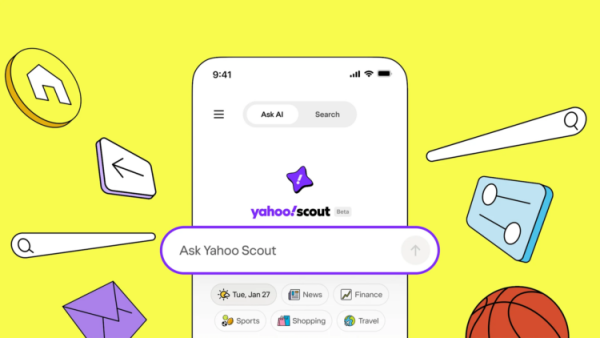
In a move that feels like a nostalgic giant awakening for the modern age, Yahoo has officially stepped back into the search spotlight with the launch of Yahoo Scout. Debuted in beta on January 27, 2026, Scout is not merely a search engine; it is what the company calls an “answer engine.” For those of us who remember the internet before it was dominated by a single “G,” Yahoo’s re-entry represents a significant pivot. By blending thirty years of brand heritage with cutting-edge generative AI, Yahoo aims to transform the tedious hunt for blue links into a conversation that actually leads to answers. It is a bold “clap back” at the current search status quo, positioning itself against titans like Google’s AI Mode and the rising popularity of Perplexity.
Beyond the Blue Link: The Architecture of Scout
At its core, Yahoo Scout is designed to dismantle the “tab-fatigue” that has plagued internet users for over a decade. Instead of forcing you to click through five different websites to find a simple fact, Scout synthesizes information from across the open web, Yahoo’s own vast data ecosystem, and proprietary content. Under the hood, this isn’t a solo effort. Yahoo has strategically partnered with Anthropicutilizing the highly capable Claude model to provide the conversational “brains” of the engine. To ensure that these AI-generated answers are grounded in reality and up-to-the-minute accuracy, Scout leverages Microsoft Bing’s grounding API. This combination allows for a search experience that feels both human and authoritative, providing users with structured content like comparative tables and rich media cards rather than just a wall of text.
The Power of the “Yahoo Bubble”
What makes Scout truly unique in a crowded AI market is its deep integration into the existing Yahoo ecosystem. Yahoo isn’t just launching a standalone site; it is embedding “Scout Intelligence” into the products millions of people already use every day. In Yahoo FinanceScout can provide one-click summaries of earnings calls or explain why a stock is moving in real-time. In Yahoo Sportsit breaks down game stats with the nuance of a veteran commentator. Even your inbox is getting an upgrade; Yahoo Mail now uses Scout to summarize long email threads and extract actionable items, like adding events to your calendar. This “omnipresence” means that the AI isn’t just a destination you visit, but a helpful companion that follows you through your daily digital routine, making every vertical within the Yahoo umbrella smarter.
How to Use Yahoo Scout
Getting started with Yahoo Scout is remarkably intuitive, designed to feel more like a friendly guide than a rigid tool. To access the beta, users in the United States can navigate to scout.yahoo.com or use the latest version of the Yahoo Search app on iOS and Android. Once on the homepage, you’re greeted by a playful, minimalist interface featuring rotating animated icons like a cartoon brain or a cowboy hat that bring back the classic Yahoo quirk. Using the tool is as simple as typing a natural language question into the search bar. Instead of “weather New York,” you can ask, “Should I pack a heavy coat for my trip to NYC next week?” Scout will then generate a comprehensive answer that includes a forecast, clothing suggestions, and even links to local news that might affect your travel.
A New Social Contract for Publishers
One of the most significant criticisms of AI search has been its tendency to “cannibalize” traffic from the very publishers that provide its data. Yahoo’s leadership, led by CEO Jim Lanzone, has addressed this head-on by attempting to “reestablish the social contract.” Every answer generated by Scout features prominent, wide blue highlights and clear “featured source” sections that encourage users to click through to the original creator. This “publisher-first” philosophy is a deliberate attempt to ensure that while users get their answers quickly, the journalists and creators behind that information still receive the traffic and credit they deserve. In an era where many AI tools feel like they are stealing content, Yahoo’s transparent attribution model is a refreshing change of pace for the media industry.
As we move deeper into 2026, Yahoo’s roadmap for Scout is focused heavily on deep personalization. The engine is already informed by 500 million user profiles and a knowledge graph of over a billion entities, but the goal is to make Scout a truly personal AI. Eventually, the tool will learn your specific preferences whether you prefer certain retailers, follow specific sports teams, or have a particular investment style to tailor its answers specifically to you. While Yahoo is being careful to state that user data is not used to train the underlying AI models, it is being used to inform the results, creating a search experience that grows more useful the more you use it. For a company that was once the primary gateway to the internet, Scout feels like a legitimate attempt to reclaim that crown by focusing on what users want most: clarity, context, and a bit of that original Yahoo personality.
Contact to : xlf550402@gmail.com
Copyright © boyuanhulian 2020 - 2023. All Right Reserved.