A routine takeaway order turned into a life-altering moment for 23-year-old British student Alex Warwick, after sudden health complications led to the discovery of an aggressive and life-threatening brain tumour.
Alex, a student at the University of Liverpool, began feeling unwell at home when friends noticed he was struggling with speech and appeared confused. His condition deteriorated rapidly while ordering food with a friend, prompting his housemates to rush him to the Royal Liverpool Hospital.
From suspected stroke to tumour diagnosis
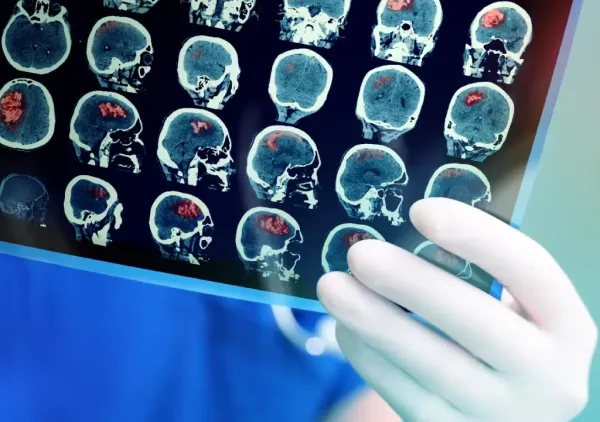
Doctors initially suspected Alex had suffered a stroke and transferred him to another hospital for further tests. Detailed investigations later revealed he had a high-grade brain tumour, requiring emergency surgery to relieve severe pressure on his brain.
Despite surgeons removing a substantial portion of the tumour, follow-up scans confirmed that the cancer had not fully subsided. Alex was diagnosed with a very high-grade glioma, treated as glioblastoma, one of the most aggressive forms of brain cancer.
His father, Ian Warwick, said Alex required a temporary external shunt to reduce dangerous pressure inside his brain, which later had to be made permanent. He now faces chemotherapy and radiotherapy to target the remaining tumour cells.
Understanding glioblastoma
Glioblastoma is the most common malignant brain tumour in adults. It originates in astrocytes, a type of glial cell that supports nerve function. According to medical experts, glioblastomas grow rapidly and can spread within the brain and spinal cord, often causing symptoms to escalate quickly.
Doctors say the prognosis for glioblastoma is typically between 12 and 18 months, even with treatment, though outcomes vary depending on individual response.
Warning signs and awareness
Symptoms can include headaches, speech difficulties, seizures, vision problems, memory loss and personality changes. Specialists stress the importance of seeking urgent medical attention if such symptoms appear suddenly.
Alex’s case has highlighted how subtle warning signs can mask serious conditions, underscoring the need for awareness and early intervention in neurological health.
Contact to : xlf550402@gmail.com
Copyright © boyuanhulian 2020 - 2023. All Right Reserved.