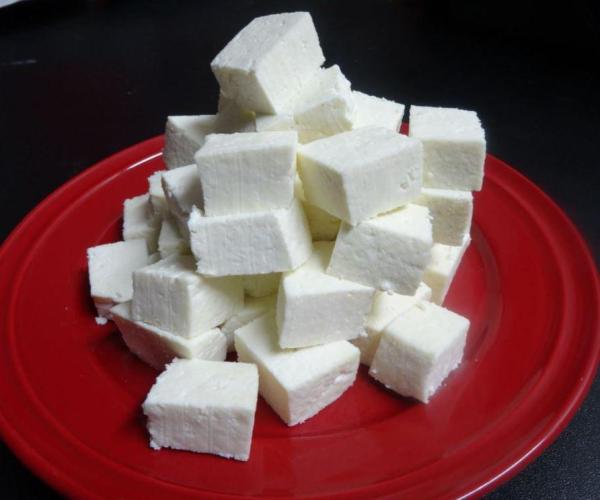
Paneer is one of the most loved foods in Indian kitchens. From street-side snacks to rich restaurant gravies, it is widely consumed because it is tasty, versatile and seen as a healthy source of protein. However, health experts caution that paneer eaten outside the home—especially from street vendors, small eateries or unverified sources—can sometimes do more harm than good.
The main reason paneer turns risky is its high moisture content. Fresh paneer spoils quickly if it is not prepared, stored and handled properly. When hygiene standards are poor, paneer can easily become a breeding ground for bacteria that cause foodborne illnesses.
One of the biggest concerns is contamination. Paneer made in unhygienic environments, without clean water or proper sanitation, can carry harmful bacteria such as E. coli and Salmonella. Consuming such paneer can lead to stomach infections, diarrhoea, vomiting, fever and, in severe cases, food poisoning that requires medical attention.
Improper storage further increases the risk. Paneer is often kept uncovered at room temperature in roadside stalls or displayed openly in shops. Exposure to dust, flies and fluctuating temperatures allows microbes to multiply rapidly. Even paneer dishes served at parties or buffets can become unsafe if they are left out for long hours without refrigeration.
The quality of milk used is another major issue. To cut costs, some vendors use diluted or low-quality milk to make paneer. In worse cases, synthetic milk or starch is used for adulteration. Such practices reduce nutritional value and may cause digestive problems, bloating or long-term health issues when consumed regularly.
Adulteration is a serious concern in commercially sold paneer. Reports have shown that some samples contain starch, detergent residues or synthetic milk compounds. These substances may not be immediately noticeable in taste but can put stress on the digestive system and liver over time.
Chemical preservatives are another hidden risk. To extend shelf life, some hotels and suppliers add preservatives to paneer. While these chemicals help keep paneer looking fresh, they can trigger acidity, indigestion and gut discomfort, especially in people with sensitive stomachs.
The way paneer dishes are cooked outside also matters. Many restaurant-style paneer preparations are high in oil, butter and cream. Regular consumption of such dishes increases the intake of saturated fats, which can contribute to weight gain, high cholesterol and heart- problems.
Eating stale paneer is particularly dangerous. Paneer that smells sour, feels slimy or tastes unusual should never be consumed. Stale paneer can cause severe food poisoning, and symptoms may appear within hours.
How to Identify Fake Paneer at Home:
– Texture Test: Genuine paneer is soft and slightly crumbly. If it feels rubbery, overly smooth, or plastic-like, it’s likely adulterated.
– Hot Water Test: Drop a cube into hot water. If it turns rubbery or leaves an oily film, it could be synthetic.
Burn Test: Burn a small piece – if it smells like plastic, it likely contains synthetic compounds.
Lodine Test: Mix crushed paneer with a few drops of iodine. A blue or black coloration indicates starch a common filler in fake paneer.
– Smell Test: Authentic paneer should have a fresh, milky aroma. A sour or chemical-like odor is a red flag.
Health experts advise consumers to be cautious while eating paneer outside. Choosing reputable restaurants, avoiding paneer from roadside stalls, and preferring freshly prepared dishes can reduce risk. At home, paneer should always be refrigerated and consumed within a short time.
While paneer itself is nutritious, the source and handling make all the difference. What looks delicious on the plate may quietly carry health risks if basic food safety rules are ignored.
Disclaimer: This article is for general awareness only. It does not replace professional medical advice. If you experience symptoms of food poisoning or digestive distress, consult a qualified healthcare professional.
Contact to : xlf550402@gmail.com
Copyright © boyuanhulian 2020 - 2023. All Right Reserved.