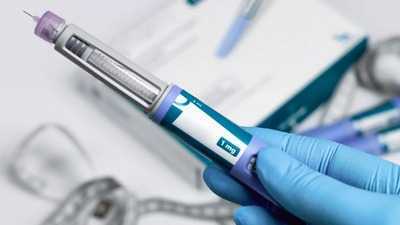
Weight-loss jabs carry small risk of pancreatitis, UK regulator warns
30 Jan 2026
The UK Medicines and Healthcare products Regulatory Agency (MHRA) has warned that weight-loss injections and diabetes medications carry a small risk of severe acute pancreatitis.
The warning comes after an increase in reports of the condition to the agency's yellow card scheme, which monitors adverse reactions to medicines and medical devices in the UK.
GLP-1 medications linked to pancreatitis cases
Medication impact
Between early 2024 and early 2025, around 1.6 million adults in England, Wales, and Scotland used GLP-1 medication for weight loss.
These include semaglutide (Wegovy, Ozempic) and tirzepatide (Mounjaro).
While patient information leaflets for these drugs list pancreatitis as an "uncommon" reaction affecting about one in 100 patients, the MHRA has updated its guidance after a spike in acute pancreatitis reports.
Reports of pancreatitis linked to GLP-1 medications
Reported cases
So far, the yellow card scheme has received 1,143 reports of acute and chronic pancreatitis among patients taking semaglutide or tirzepatide. Of these, 17 were fatal.
Most (973) were reported in 2025 alone, 807 related to tirzepatide and 166 to semaglutide.
There have also been 146 reports of acute and chronic pancreatitis from those taking liraglutide and another 61 from dulaglutide users.
MHRA emphasizes patient safety amid pancreatitis risk
Safety assurance
Dr. Alison Cave, the MHRA's chief safety officer, emphasized that patient safety is their top priority.
She said that while the risk of developing these severe side effects is very small, it is important for patients and healthcare professionals to be aware of the symptoms associated with them.
"If you notice symptoms such as severe, persistent stomach pain... then we advise you speak to a healthcare professional," Dr. Cave said.
Genetic study to predict pancreatitis risk in patients
Research initiative
The MHRA also revealed that patients taking GLP-1s have been recruited for the Yellow Card Biobank study.
This is a joint effort between the MHRA and Genomics England, which will explore if an individual's genes can influence their risk of developing an inflamed pancreas.
The agency hopes this research will help predict which patients may be most at risk of adverse reactions and prescribe safer medicines accordingly.
Pharmaceutical companies respond to pancreatitis risk warning
Company statements
In response to the MHRA's announcement, Novo Nordisk, the manufacturer of Wegovy and Ozempic, emphasized patient safety.
A spokesperson said they recommend patients use these medications only for approved indications under strict supervision of a healthcare professional.
Eli Lilly, which makes Mounjaro, also stressed patient safety as their top priority and said they actively monitor and report safety information for all their medicines.
Contact to : xlf550402@gmail.com
Copyright © boyuanhulian 2020 - 2023. All Right Reserved.