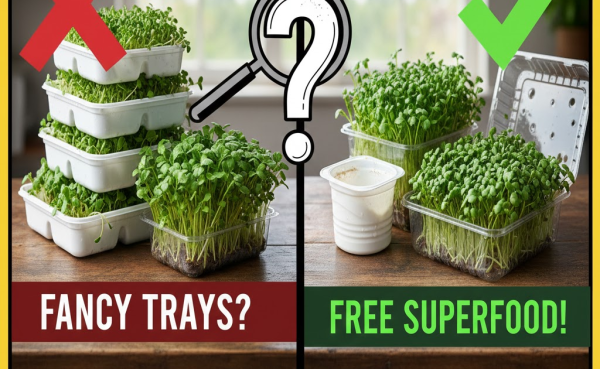
One of the easiest ways to start is growing kala chana or black chickpeas in water. This method is called hydroponics. You do not need any soil or cocopeat for this. Simply soak the chana overnight and place them on a perforated tray or a net over a bowl of water. Ensure the water just touches the base of the seeds. Within a few days you will see thick crunchy greens that are packed with iron and fiber. This is perfect for those who want a mess free gardening experience.
Chia seeds are tiny powerhouses of Omega 3 fatty acids. Because they become gelatinous and sticky when wet they grow beautifully on a bed of cotton. To grow chia microgreens spread a thin layer of cotton in a small container and dampen it with water. Sprinkle the chia seeds evenly. The cotton holds the perfect amount of moisture for the tiny roots to grip. These delicate greens have a mild nutty flavor and are excellent for topping your morning smoothies or yogurt bowls.
Mustard or sarson is a fast growing microgreen with a spicy kick. A great technique for mustard is starting them on wet tissue paper. Once the seeds germinate and the tiny roots appear you can carefully transfer them to a tray of cocopeat. This transition gives the plants more stability and nutrients as they grow. Mustard microgreens are rich in vitamins A and C and they add a wonderful peppery punch to any sandwich or salad.
For seeds like ajwain carom saunf fennel and masur dal red lentils cocopeat is the ideal growing medium. Cocopeat is lightweight and retains moisture which prevents the seeds from drying out. Simply fill a shallow tray with two inches of cocopeat and spread the seeds on top. Cover them with a very thin layer of more cocopeat and mist with water. Ajwain and saunf are incredible for digestion and they bring a fresh herbal aroma to your home garden.
To ensure your microgreens do not develop mold or wilt you must focus on air circulation. Always keep your trays in a well ventilated area with indirect sunlight. If you are using cocopeat or cotton make sure they are damp but not soaking wet. Overwatering is the most common reason why microgreens fail. Also remember the golden rule of harvesting. Use a clean pair of scissors to snip the greens just above the root line once the first set of true leaves begins to show.
Growing your own food is a deeply rewarding experience. By using seeds you already have like mung beans flaxseeds and chickpeas you are saving money and eating the freshest produce possible. These tiny greens are a simple solution to modern nutritional gaps. They are easy to grow even for kids and require very little space. Start with one kitchen seed today and watch how easily you can transform your health right from your windowsill.
Beginner-Friendly Microgreens: Benefits & Taste Chart
| Microgreen | Key Nutrient/Benefit | Taste Profile | Best Used In |
| Mustard (Sarson) | Vitamin A, C & K | Spicy & Peppery | Salads, Sandwiches |
| Ajwain (Carom) | Digestion & Gut Health | Strong Herbal Aroma | Raita, Parathas |
| Chia Seeds | Omega-3 & Calcium | Mild & Earthy | Smoothies, Puddings |
| Flaxseeds (Alsi) | High Antioxidants | Nutty & Sweet | Breakfast Bowls |
| Mung Beans | High Protein | Crunchy & Fresh | Stir-fries, Salads |
| Kala Chana | Iron & Fiber | Thick & Hearty | Topping for Dal/Soup |
| Saunf (Fennel) | Cooling & Metabolism | Sweet & Anise-like | Garnish, Tea/Juices |
| Lentils | B-Vitamins | Delicate & Light | Kids’ Meals, Pasta |
Contact to : xlf550402@gmail.com
Copyright © boyuanhulian 2020 - 2023. All Right Reserved.