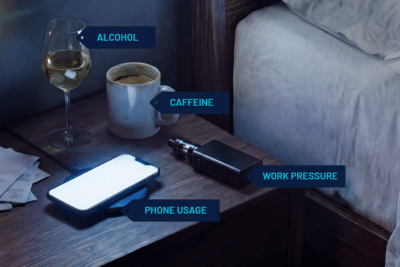
From glowing screens to wine glasses and vapes, the modern bedside table is chock-full of elements that disrupt REM sleep. New research reveals that a staggering 86 percent of adults are sabotaging their REM sleep due to these everyday habits.
On average, adults are guilty of four habits which experts warn could be sabotaging thephase crucial for memory, emotional processing, mental performance and brain development. A fresh study of 2,000 UK adults, commissioned by sleep technology company Simba, analysed the behaviours most commonly associated with reduced REM, finding that an alarming 86 percent of people were guilty of at least one REM blocking habit.
REM, or rapid eye movement sleep, is the fourth phase of slumber when the brain does its most important overnight work. "REM is when vivid dreams occur, but its role goes far beyond dreaming," says Lisa Artis, deputy CEO of Simba's charity partner The Sleep Charity
• 'New Ibiza' with 24-hour clubs and beach festivals has £21 easyJet flights
• Free NHS online test tells you 'what you need to improve' for 'healthier life'
"It's when the brain processes emotions, consolidates memories and clears away mental 'waste' from the day, leaving you sharper, more resilient and ready for the day ahead.
"Think of REM as your brain's overnight reset button. Without enough of it, you can sleep for hours and still wake up feeling foggy, emotionally off-balance or overwhelmed."
The four most prevalent REM-disrupting habits were all routine behaviours. More than half of Brits confessed to scrolling on their mobile before bedtime (52.5 percent), whilst a comparable number regularly consume caffeinated beverages after 3pm (51.6 percent), despite caffeine remaining active in the system for hours.
Stress-driven patterns were equally common, with over a third of participants reporting they stay awake dwelling on workplace pressures (36.7 percent) or money concerns (36.9 percent), both of which can stop the brain from properly reaching REM sleep.
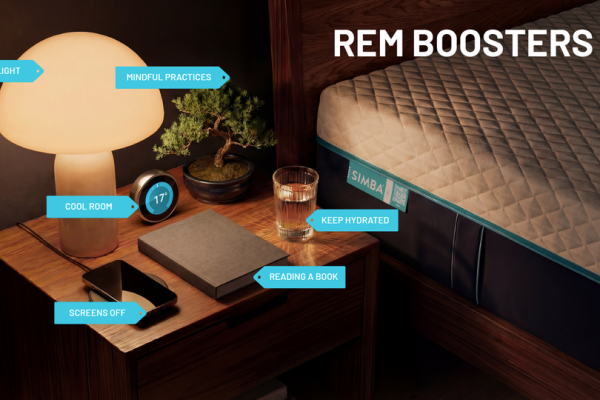
Artis says that preserving healthy REM is crucial to emotional health, learning ability, and mental performance.
Persistent sleep difficulties impact millions of Brits, with 41 percent struggling to nod off and more than half (51 percent) waking throughout the night.
Despite NHS guidance recommending a minimum of seven hours, the typical Brit manages just six hours and four minutes nightly, Simba's research reveals - with women getting roughly 11 minutes less each day than men.
Earlier studies demonstrate people with curtailed sleep experience considerably less REM than those sleeping normally. Since REM cycles grow longer and more regular during the latter portion of the night, truncating sleep disproportionately diminishes this vital stage.
Prior research also connects sleep deprivation to compromised brain functions typically managed during REM, such as memory consolidation, explaining why cutting corners on sleep can leave you fuzzy-headed, absent-minded and emotionally frazzled. However, Artis cautions that it's not solely about the duration of your sleep.
"Even people getting eight hours can still miss out on REM if their evenings are filled with stimulation, stress or habits that keep the brain in alert mode."
A staggering 81 percent of those adhering to NHS sleep guidelines reported behaviours that could interfere with REM sleep, thus diminishing the brain's opportunity to properly recuperate overnight.
Ways to Protect REM Sleep
1) Stop screens at least 30 minutes before bed
Blue light exposure in the evening may delay melatonin, the hormone that helps signal nighttime sleepiness. This can delay your internal clock and make it harder to enter deeper sleep stages.
2) Cut caffeine after 3pm
Caffeine makes it harder for your body to feel ready for sleep and can reduce how deeply you sleep. When it’s consumed in larger amounts or too close to bedtime, it can also interfere with REM sleep, the stage that plays a big role in how rested and refreshed you feel the next day.
3) Keep your bedroom at 16–18°C
The body’s core temperature naturally drops for sleep; a cooler ambient room environment supports that thermoregulatory process and more stable, uninterrupted sleep.
4) Avoid alcohol within 2 hours of bed
Studies show that consuming alcohol before bed decreases total REM sleep and disrupts the normal progression of sleep stages.
5) Reduce partner movement and overheating
REM sleep depends on long, uninterrupted sleep cycles. Even small movements from a bed partner - rolling over, getting in or out of bed - can trigger micro-awakenings that break these cycles before they’re complete.
• Dan Buettner's simple habit to live longer - and you don't need to leave bed
Contact to : xlf550402@gmail.com
Copyright © boyuanhulian 2020 - 2023. All Right Reserved.