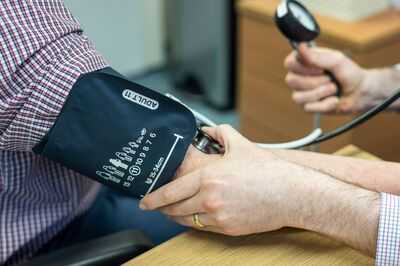
Consuming a specific fruit juice daily could benefit millions of Britons suffering from a potentially serious health condition. Research suggests this red beverage might reduce elevated blood pressure, a condition affecting approximately one in three UK residents.
Hypertension, as it's medically known, forces your heart to exert more effort than normal when circulating blood throughout your body. This places additional strain on your heart, blood vessels and other vital organs as time progresses.
Without proper management,it can lead to severe complications, with elevated blood pressure being associated with medical crises including strokes and cardiac events.
- Cardiologist says 'never ignore' these 10 symptoms of heart disease
- 'I'm an oncologist - you must see your GP if you have these 2 cancer symptoms'
Numerous factors can contribute to elevated blood pressure, with diet playing a significant role. High-sodium foods should certainly be eliminated for this very reason - as sodium enables the body to retain water, consequently increasing blood pressure.
However, your food and beverage choices could also produce the reverse outcome. Research published in the Food Science and Nutrition journal in 2019 advocated daily consumption of a particular fruit juice for this purpose.
Scientists from Tokyo, Japan, found that drinking unsalted tomato juice daily could substantially decrease blood pressure levels. The study also revealed it could reduce harmful cholesterol, another factor contributing to cardiovascular issues.
The study involved 481 participants who were given unlimited access to tomato juice over a 12-month period. Researchers assessed cardiovascular risk markers, including blood pressure, serum lipid profile and glucose tolerance, both at the beginning and end of the study.
Participants with hypertension or prehypertension experienced "significantly lowered" blood pressure levels. Daily tomato juice consumption ranged from 84 to 215 ml, with most participants drinking approximately one bottle (200 ml).
The study authors noted: "Blood pressure (BP) in 94 participants with untreated prehypertension or hypertension was significantly lowered. Further, the serum low‐density lipoprotein cholesterol (LDL‐C) level in 125 participants with untreated dyslipidemia significantly decreased.
"These beneficial effects were not different between sexes and among the different age groups. No significant difference in lifestyle was found before and after the study. Unsalted tomato juice intake improved systolic and diastolic BP and serum LDL‐C level in local Japanese residents at risk of cardiovascular conditions."
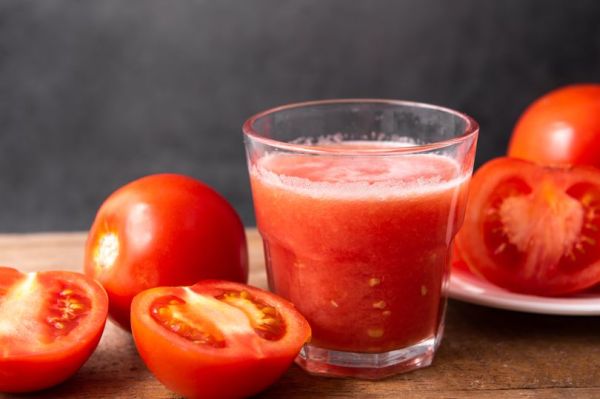
The research team suggested that the blood pressure reduction might be attributed to lycopene, an antioxidant present in tomatoes. "Tomatoes contain a variety of bioactive components that make them and their products, including tomato juice, beneficial for health," they said.
"Above all, lycopene is well known for its strong antioxidant activity and the inhibition of low-density lipoprotein oxidation, which plays a key role in the initiation and development of atherosclerosis.
"Several epidemiological studies have suggested that lycopene could contribute to the prevention of atherosclerosis and cardiovascular diseases."
These findings are backed by additional research published in the European Journal of Preventive Cardiology in 2023. The study's authors discovered that amongst participants without hypertension at the study's outset, those consuming the highest amounts of tomatoes (exceeding 110 grams daily) lowered their overall hypertension risk by 36 per cent, in comparison to those eating the least (under 44 grams).
The NHS states that if you're under 80 years old, you're typically considered to have high blood pressure if your reading is either:
- 140/90 or above when measured by a healthcare professional
- 135/85 or above when measured at home
If you're aged 80 or over, you're generally considered to have high blood pressure if your reading is either:
- 150/90 or above when measured by a healthcare professional
- 145/85 or above when measured at home
If you have concerns about your blood pressure, you should consult your GP.
Contact to : xlf550402@gmail.com
Copyright © boyuanhulian 2020 - 2023. All Right Reserved.