
If you have a log burner, you could incur a costly fine. In winter, you might be getting a lot of use out of your log burner to warm up over the colder months. But experts say there's one condition that you might not know about that could cost you £300.
Homes located in smoke control areas are legally required to limit the amount of smoke released from their chimney. New regulations now restrict emissions to just three grams of smoke per hour per household, down from five grams previously.
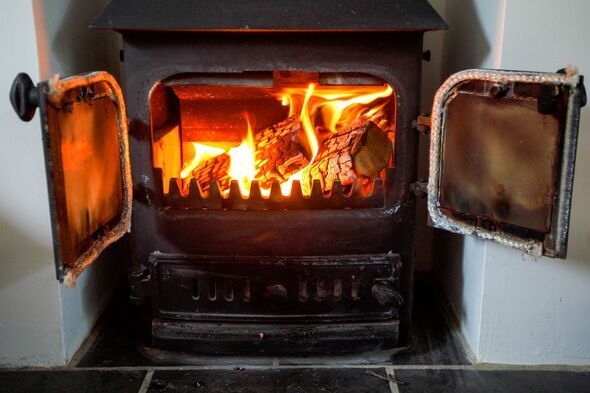
Paddy Umpleby, Managing Director at Burning Desires Ltd has revealed how to avoid the fine.
Paddy explained that homes located in smoke control areas are legally required to limit the amount of smoke released from their chimney.
The expert said the rule change followed the ban on the sale of house coal and wet wood in England, which was introduced to cut harmful emissions and encourage the use of cleaner fuels.
According to Burning Desires, most towns and cities in England fall within smoke control areas, meaning households that allow visible smoke to escape from their chimney could face fines of up to £300 under the Clean Air Act.
Paddy warned that many homeowners are unaware they are breaking the rules by using the wrong fuel.
Burning unauthorised fuels such as wet wood or traditional house coal can produce excessive smoke and lead to penalties.

Households must only use certified fire logs or approved solid fuels and should regularly check the condition of their stove. Cracked glass or damaged seals can allow smoke to escape more easily and increase the risk of fines.
Burning Desires added that burning wet wood is one of the biggest contributors to fine particulate pollution known as PM2.5, which can enter the bloodstream and lodge in the lungs.
This type of pollution has been identified as particularly harmful to human health.
Using dry wood not only produces more heat but also creates less soot and smoke, reducing emissions by up to half compared with wet wood.
Households that buy unauthorised fuel for use in a non-exempt appliance can face fines of up to £1,000, according to the experts.
If a fuel is not on the approved list, it must not be burned in a log burner located in a smoke control area.
Burning Desires also advised households to take simple precautions throughout winter, including maintaining their stove, sweeping chimneys regularly and installing a carbon monoxide alarm to reduce the risk of dangerous fumes.
Paddy urged homeowners to check whether they live in a smoke control area and to ensure they are using the correct appliance and fuel before lighting their burner this winter.
While log burners can be an efficient and cosy way to heat a home, failing to follow the rules could prove costly during the colder months.
Contact to : xlf550402@gmail.com
Copyright © boyuanhulian 2020 - 2023. All Right Reserved.