(By Dr. Mandeep Singh Malhotra)
Cancer still remains a prominent cause of mortality across the globe. Despite recent breakthroughs in the treatment strategies, the understanding of how cancer begins inside a cell remains elusive.
Traditional treatment pathways such as chemotherapy, radiation therapy and even surgery, although inevitable, are still falling short in effectively eradicating certain malignancies. In many cases, they aren’t fully able to restrict the disease progression, causing systemic toxicity which further can have its own complications.
However, we find ourselves in an interesting place where growing research is making us look at cancer in newer ways. For the first time, cancer is being considered as having metabolic irregularities as a major cause in addition to genetic aberrations. This might change the way we treat the disease in the coming days.
Cancer Cells Breathe Differently
Interestingly, new age theories are observing some commonality among all cancers, the affected cells generate energy differently.
Cancer cells are not using oxygen to generate energy. Instead, they are fermenting glucose and glutamine (an amino acid found in the body) to fuel their growth. This impaired cellular respiration might be at the core of disease formation.
Dr Thomas Seyfried (a leading proponent of the metabolic theory of cancer) has gone ahead in saying that infected mitochondria (powerhouse of the cell) is the propeller of the disease and not the nucleus (where genetic material is stored inside a cell). It might be the kitchen of the cells that is calling the shots.
Starving Cancer Cells Could Be A Way Forward
Healthy human cells can use liver-generated ketone bodies for energy production in the absence of glucose. However, cancer cells are incapable of fermenting ketone bodies.
If tumours thrive on glucose and glutamine, removing these fermentable fuels can enable starvation of cancer cells. They can easily shrink or even disappear. On the flip side, chronically elevated blood glucose can contribute to the progression of the disease.
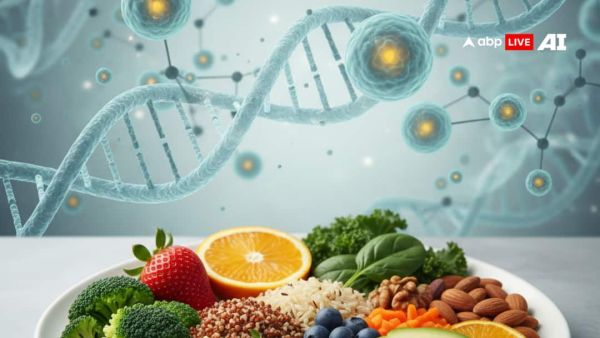
Growing research propagates the induction of a ‘calorie-restricted’ diet for both prevention and management of cancer.
It is being observed that therapeutic ketosis using carbohydrate-restricted diets alongside traditional treatments (chemotherapy, surgery et al) is showing clinically positive results in cancer patients. In my own office, I have seen similar experiences where my patients benefitted from a holistic approach to cancer treatment which included tailored low glycemic diets.
The standard treatment in form of chemotherapy, radiation and surgery are cytotoxic methodology; dietary interventions and Indian traditional medicine break the resistance of cancer cells and make them amenable to cytotoxic treatment simultaneously decreasing the adverse effects of cytotoxic treatment.
While aggressive keto diets can be a late-stage intervention, maintaining a moderately calorie-restricted diet can be adopted as a preventive measure against the rise of cancer.
Finding A Middle Path
Cancer researchers might have theoretical disagreements but most of them agree on the fact that there are multiple factors involved in conversion of a normal cell into a tumour. Hence, having a holistic approach to the treatment is the way forward.
While standard treatments like chemotherapy, radiation therapy and surgery are not replaceable, the systemic toxicity caused by these aggressive treatments is reduced as well as response to them is augmented using holistic approach with dietary intervention and Indian traditional medicine, under the supervision of skilled professionals.
Dr. Mandeep Singh Malhotra is the Co-founder at Art of Healing Cancer
[Disclaimer: The information provided in the article is shared by experts and is intended for general informational purposes only. It is not a substitute for professional medical advice, diagnosis, or treatment. Always seek the advice of your physician or other qualified healthcare provider with any questions you may have regarding a medical condition.]
Contact to : xlf550402@gmail.com
Copyright © boyuanhulian 2020 - 2023. All Right Reserved.