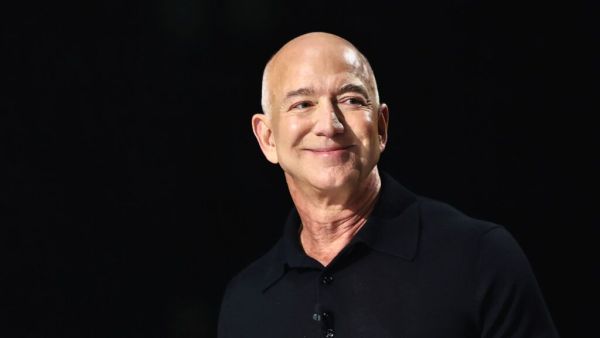
Jeff Bezos, the founder of Amazon.com Inc., saw his wealth rise sharply this week after the e-commerce giant’s stock gained momentum following a major shift in its retail operations. According to the Bloomberg Billionaires Index, Bezos’ net worth increased by $5.7 billion in a single day, pushing his total fortune to an estimated $266 billion.
The surge came as investors responded positively to Amazon’s decision to close several of its physical retail formats, including Amazon Go and Amazon Fresh stores. The move signaled a recalibration of the company’s grocery strategy, with greater emphasis on online delivery services and a renewed commitment to its Whole Foods Market chain.
At a time when many of the world’s wealthiest individuals have experienced market-driven fluctuations in their fortunes, Bezos has emerged as an outlier. Until recently, six of the ten richest people globally had seen their wealth decline in the opening weeks of 2026. Bezos, by contrast, had already added roughly $300 million to his net worth before the latest rally further boosted his standing.
Bezos Holds Firm Among the World’s Richest Individuals
With his fortune now estimated at $266 billion, Bezos ranks as the third-richest person in the world. He remains just behind Google co-founder Larry Page, while the top spot continues to be occupied by Tesla chief executive Elon Musk, whose net worth stands at approximately $677 billion.
Although Bezos stepped down as Amazon’s chief executive officer in 2021, he remains the company’s largest individual shareholder. As a result, shifts in Amazon’s share price continue to have a direct and significant impact on his personal wealth. Even relatively modest movements in the stock can translate into gains or losses worth billions of dollars.
The latest increase highlights how closely Bezos’ financial position is tied to investor confidence in Amazon’s long-term direction, especially as the company navigates evolving consumer behavior, cost pressures, and intensifying competition across the retail sector.
Amazon Scales Back Physical Grocery Experiments
Amazon’s share price rose after the company confirmed plans to close its Amazon Go and Amazon Fresh stores. These concepts were once central to Amazon’s ambition to build a significant brick-and-mortar presence, particularly in the grocery segment.
Amazon Go locations were designed to showcase cashier-less shopping powered by the company’s “Just Walk Out” technology, allowing customers to shop without traditional checkouts. Amazon Fresh stores, meanwhile, aimed to offer a tech-forward grocery experience that could compete with established supermarket chains.
However, these formats have struggled to deliver consistent results at scale. By deciding to shut them down, Amazon is signaling a shift away from operating multiple experimental store models that have yet to demonstrate sustainable profitability.
Pivot Toward Online Grocery and Faster Delivery
As it steps back from some physical retail operations, Amazon is doubling down on online grocery delivery. The company plans to focus more heavily on same-day delivery, an area that has become increasingly important as consumers seek speed and convenience when shopping for everyday essentials.
Amazon has invested heavily in its fulfillment network, expanding warehouses, deploying automation, and refining last-mile delivery systems to support faster turnaround times. The emphasis on delivery reflects the company’s belief that its logistical scale and digital infrastructure provide a stronger competitive advantage than maintaining smaller-format physical stores.
This shift also intensifies pressure on grocery delivery rivals, including Instacart, as Amazon leverages its vast customer base and Prime membership ecosystem to capture a larger share of online grocery spending.
Whole Foods Remains Central to Amazon’s Grocery Plans
Despite closing certain physical formats, Amazon is not abandoning brick-and-mortar retail altogether. The company has announced plans to open more than 100 new Whole Foods Market locations over the coming years, underscoring the chain’s continued importance within Amazon’s broader grocery strategy.
Since acquiring Whole Foods in 2017, Amazon has used the brand as both a premium grocery destination and a logistical anchor for online grocery fulfillment in many regions. The planned expansion suggests Amazon sees greater long-term value in growing a well-established and trusted brand rather than continuing to invest heavily in newer store concepts.
The move also indicates that Amazon intends to maintain a meaningful physical presence in urban and suburban markets, even as it prioritizes delivery-driven growth.
Facing Intense Competition From Retail Rivals
Amazon’s evolving approach comes amid fierce competition from major retailers such as Walmart, Target, and Costco. These companies have invested heavily in omnichannel strategies that blend physical stores with curbside pickup and home delivery.
Walmart has used its extensive store network to strengthen grocery delivery and pickup services, while Target has expanded same-day fulfillment options. Costco, meanwhile, continues to rely on its warehouse model and strong customer loyalty to drive sales.
By refining its grocery strategy, Amazon aims to balance competitiveness with operational efficiency, focusing resources on areas most likely to deliver long-term returns.
Market Response Signals Investor Approval
The positive reaction from investors suggests that Amazon’s decision to close underperforming stores is being viewed as a strategic reset rather than a retreat. By narrowing its focus and reallocating capital toward delivery infrastructure and Whole Foods expansion, Amazon appears to be addressing concerns around costs and margins.
The stock’s rise not only boosted Bezos’ personal wealth but also reflected broader confidence in Amazon’s ability to adapt to shifting market conditions.
Contact to : xlf550402@gmail.com
Copyright © boyuanhulian 2020 - 2023. All Right Reserved.