Kiran explains that tolerance can vary from person to person. “If your uric acid levels are extremely high, what suits someone else may not suit you,” she shared. She further noted that people with uric acid levels above 8 mg/dL may need to be extra cautious, limiting even moderately high-purine foods and focusing only on low-purine options.
To make informed dietary choices easier, she listed commonly consumed foods based on their purine content, arranged from lowest to highest.
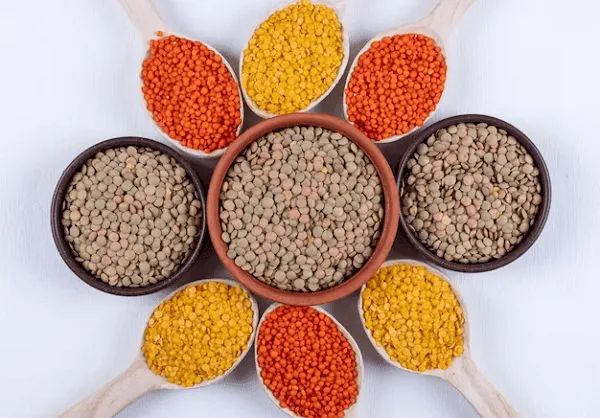
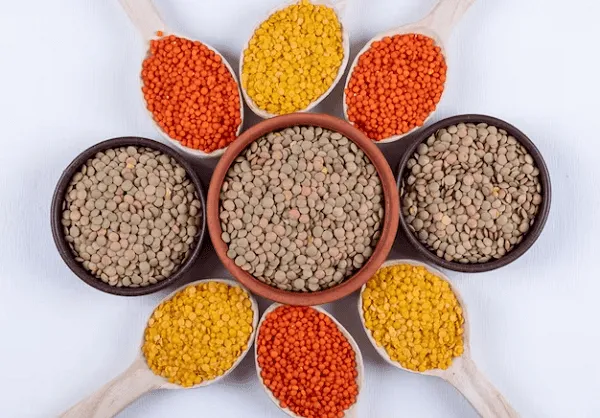
Dals with Low Purine Content
Yellow Moong Dal
Purine content: 25–35 mg
Considered safe for daily consumption
Dals with Low to Moderate Purine Content
Masoor Dal, Toor Dal, Green Chilka Moong Dal
Purine content: 35–50 mg
Can be eaten three to four times a week
Soaking for 6–8 hours before cooking is recommended
Dals with Moderate Purine Content
Lobia Dal, Moong Dal, Kulith Dal, Sabut Dal
Purine content: 60–75 mg
Suitable for two to three servings per week
Dals with Moderately High Purine Content
Chickpeas, Rajma, Kala Chana
Purine content: 75–90 mg
Best limited to once every 10–15 days
Dals with Very High Purine Content
Soybeans and Soy Chunks
Purine content: 120–140 mg
Best avoided completely, especially for those with high uric acid levels.
Managing high uric acid does not mean cutting out nutritious foods like diet entirely. With the right selection, portion control, and preparation methods, pulses can still be a part of a balanced diet. Knowing your uric acid levels and adjusting food choices accordingly can make a significant difference in long-term health and comfort.
Disclaimer: This article is intended for informational purposes only and should not be considered a replacement for professional medical advice.
Contact to : xlf550402@gmail.com
Copyright © boyuanhulian 2020 - 2023. All Right Reserved.