The Trump administration is edging closer to locking in a sweeping trade arrangement with India, as negotiators work to turn broad political commitments into a formal, written agreement. If finalised, the deal would mark a notable reset in bilateral trade ties, reshaping tariff structures, widening access for American products, and underscoring the growing strategic alignment between Washington and New Delhi.
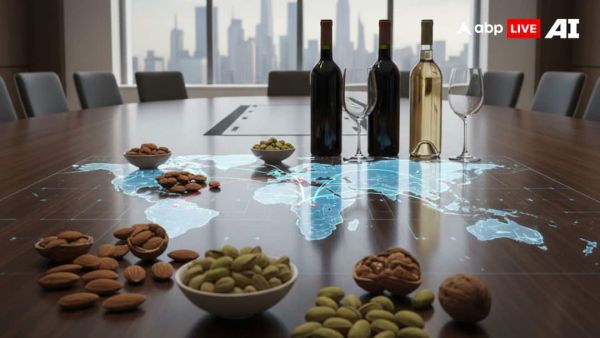
At the heart of the proposed pact is a significant concession from India: zero tariffs on select US exports, including products such as wine and tree nuts. The move signals openness to deeper trade integration, even as India remains careful to protect politically sensitive sectors at home.
How Will The Trade Deal Impact India’s Agriculture Sector?
Despite headline-grabbing tariff cuts, India is not throwing open its agricultural market wholesale. Officials have made clear that key protections will remain in place, particularly for sensitive areas such as dairy and other core farm segments.
While duties on items like wine and tree nuts are set to fall to zero, India intends to continue shielding its most politically important agricultural interests. This measured stance reflects India’s long-standing balancing act: engaging with global trade partners while safeguarding millions of domestic farmers who form a powerful political constituency.
What Are The Expected Benefits For US Farmers?
For American producers, the agreement could open meaningful new opportunities. US Trade Representative Jamieson Greer said on Tuesday that the administration is in the final stages of shaping the deal. Once completed, Indian tariffs on US industrial goods would drop to zero, down sharply from an average rate of 13.5 per cent.
Greer added that a broad range of agricultural tariffs would also be eliminated. “For a variety of things, tree nuts, wine, spirits, fruits, vegetables, etc., they’re going down to zero,” he said. Notably absent from that list were commodities such as rice, beef, soybeans, sugar, and dairy, which India has similarly excluded from its trade agreement with the European Union.
How Does This Deal Affect India’s Energy Imports?
Energy trade is another quiet but significant pillar of the talks. Greer said India has been steadily reducing its reliance on Russian crude oil and is “making the right choice” by diversifying toward suppliers such as the United States and Venezuela.
According to him, India did not import Russian oil before 2022–2023 and has been gradually cutting back purchases since late last year. The shift reflects both geopolitical considerations and a broader effort by India to rebalance its energy supply chains.
Technical Barriers And Standards Recognition
Beyond tariffs, the agreement tackles long-standing technical barriers that have limited US access to the Indian market. Greer confirmed that both sides have reached an understanding on issues where India has historically declined to accept American standards.
“We know American goods are safe,” he said, adding that the framework would establish a process for recognising US standards. While India will still need to navigate domestic political and regulatory hurdles, Greer suggested the move could unlock access to a consumer base of more than one billion people, an enormous prize for US exporters.
Trade Balance, Energy Shifts, And What Comes Next
The deal also recalibrates tariff treatment on the US side. Most Indian goods entering the American market would see tariffs reduced to 18 per cent from 50 per cent. Greer linked the change to India’s rapidly expanding trade surplus with the US, which reached $53.5 billion in the first 11 months of 2025, up from $45.8 billion for all of 2024.
While no official timeline has been announced, momentum appears strong. “We’ll finish papering it, but we know the specifics, we know the details,” Greer said. As both governments move toward formalisation, the agreement could become one of the most consequential trade developments between the two countries in years, reshaping commerce, energy ties, and strategic cooperation in the process.
Contact to : xlf550402@gmail.com
Copyright © boyuanhulian 2020 - 2023. All Right Reserved.