
Before Christmas, the Department for Health and Social Care announced that women throughout England would soon have menopause included in routine NHS appointments for the first time. These changes include menopause-specific questions in the 'NHS Health Check', which were projected to help nearly five million people.
But what exactly is an 'NHS Health Check' and how do they work? The Mirror has provided a more detailed explanation of these assessments below, including who might qualify. For additional information on menopause, visit theGovernment's website here.
What are NHS Health Checks?Although you may assume NHS Health Checks are simply standard doctor's appointments, they are, in fact, free evaluations of cardiac and vascular health.
- Doctor says 1 thing boosts cancer risk and it's not sugar
- 'I cleaned my air fryer with one item that removes grime better than any other product'
These currently aim to notify people if they are at increased risk for certain conditions, such as heart disease, diabetes, kidney disease, or stroke. People over 65 are also informed about dementia symptoms to monitor, since some types have similar risk factors to cardiovascular diseases.
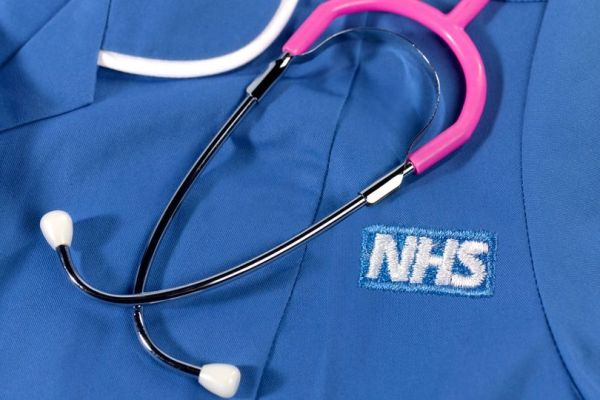
NHS Health Checks are intended for people aged 40 to 74 who do not have any of these pre-existing conditions:
- Heart disease
- Chronic kidney disease
- Diabetes
- High blood pressure (hypertension)
- Atrial fibrillation
- Transient ischaemic attack
- Inherited high cholesterol (familial hypercholesterolemia)
- Heart failure
- Peripheral arterial disease
- Stroke
- Currently being prescribed medicines such as statins to lower cholesterol
- Previous checks have found that you have a 20% or higher risk of getting cardiovascular disease over the next 10 years
Anyone diagnosed with the conditions listed above should already be offered regular check-ups. A care team will be able to provide further information on this.
Official NHS advicecontinues: "If you're aged 40 to 74 and do not have a pre-existing health condition, you should be invited to an NHS Health Check by your GP or local council every 5 years.
"If you think you are eligible but have not been invited, contact your GP surgery to find out if they offer NHS Health Checks or contact your local council to find out where you can get an NHS Health Check in your area."

Currently, NHS Health Checks last around 20 to 30 minutes. Results are typically provided during the appointment or shortly afterwards.
The NHS continues: "You'll be given your cardiovascular risk score, which shows your risk of developing a heart or circulation problem, such as heart disease, stroke, type 2 diabetes or kidney disease, over the next 10 years.
"The healthcare professional may describe this risk score as low, moderate or high. Everybody's cardiovascular risk rises with age, so the next time you have an NHS Health Check your risk score may be higher, even if your test results are the same.
"There are some things about your risk which you cannot change, such as your age, ethnicity and family history. But some of the most important factors in your risk score (such as smoking, your cholesterol level and blood pressure) can be changed."
For more information, head to the NHS website.
Contact to : xlf550402@gmail.com
Copyright © boyuanhulian 2020 - 2023. All Right Reserved.