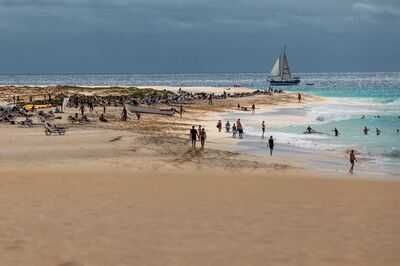
Tourists have been warned about travel to Cape Verde after more than 100 Brits caught a horror diarrhoea infection.
UK officials issued the warning to tourists planning on visiting the West African archipelago for the February half-term holidays. They noted dozens of previous holidaymakers to the islands had been struck down with shigella and salmonella, both infections that can be caught from eating or drinking contaminated food or beverages.
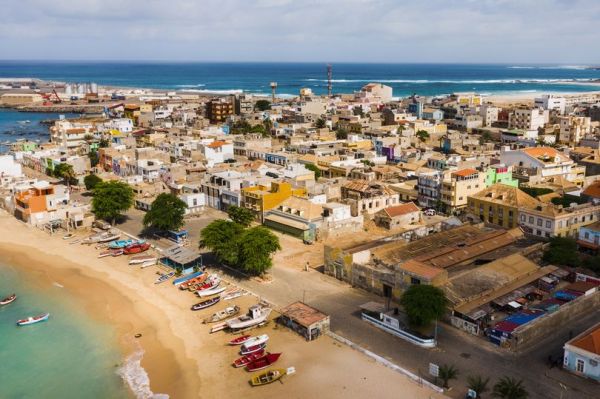
An investigation led by the UK Health Security Agency (UKHSA), found 158 confirmed Shigella cases had been reported since October 1 last year. It also found 112 of those who reported had travelled to Cape Verde, the majority of which visited the Santa Maria and Boa Vista areas - travel information for the other cases is not known.
• Brit warned to isolate after 'disaster' £6k TUI holiday with 'disgusting' food at 5* hotel
• 'My wife went on TUI dream holiday to Cape Verde - now she'll never come home'
Authorities also identified increases in salmonella cases associated with travel to Cape Verde. Since October 1, a total of 43 cases of salmonella from three separate clusters identified using whole genome sequencing, have been linked to travel to Cape Verde.
Holidaygoers have been advised to visit the Travel Health Pro website, supported by UKHSA, which provides comprehensive information to plan their trip abroad safely for winter sun. Travel Health Pro recently updated its guidance for people travelling to Cape Verde, including precautionary measures on how to protect yourself from gastrointestinal infections.
It comes after British tourists complained of gastrointestinal issues after visiting the islands. Six tourists to the islands have also been found to have died during or shortly after their holidays.
Dr Gauri Godbole, Deputy Director for Gastrointestinal Infections, Food Safety and One Health at UKHSA, said: "February is a popular time for winter sun holidays and we want to help families make the most of their breaks by staying healthy. Taking a few simple precautions against traveller's diarrhoea and food poisoning can make all the difference.
"The best way to avoid gastrointestinal infections, including Shigella and Salmonella, or passing them to others, is simply by washing your hands regularly and thoroughly with soap and water or alcohol gel – particularly after using the toilet, changing nappies, and before eating or preparing food.
"Most episodes of traveller's diarrhoea are short-lived, lasting for a few days. During an episode of diarrhoea and vomiting, it is important to prevent dehydration particularly for young children, pregnant women, elderly people, and those with pre-existing illnesses as they can develop complications.
"Continue to hydrate yourself with plenty of fluids and consider purchasing sachets of oral rehydration salt before travelling. If symptoms worsen or you have underlying medical conditions, please seek advice from your GP or pharmacy."
How can I reduce infection risk?
People travelling to regions where they need to consider gastrointestinal infections are recommended to do the following:
Choose food that is freshly prepared, fully cooked and served piping hot.
In areas without a reliable clean water supply, drink only bottled or boiled water, including when brushing your teeth, and avoid ice in drinks.
Eat only fruit you peel yourself and avoid salads that may not have been washed in safe water.
People with weakened immune systems such as those on steroids and other immunosuppressive therapy should consider speaking to a healthcare professional for 'stand-by' antibiotic treatment prior to travel.
Contact to : xlf550402@gmail.com
Copyright © boyuanhulian 2020 - 2023. All Right Reserved.