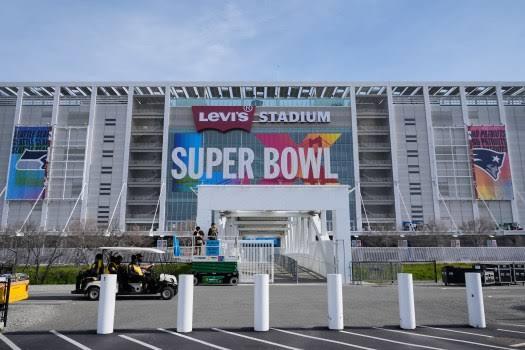
Anthropic stirred fresh debate in the artificial intelligence industry after releasing a set of Super Bowl commercials that openly poke fun at rival OpenAI and its decision to introduce advertising into ChatGPT’s free version. The ad campaign, released midweek ahead of the Super Bowl, uses satire to question how ads might affect conversations with AI chatbots. The spots quickly drew widespread attention and prompted a pointed public response from OpenAI CEO Sam Altman.
The episode highlights intensifying competition among leading AI companies as they search for sustainable revenue models while trying to maintain user trust. With millions of people relying on chatbots for everyday assistance, even small changes to how these tools operate can trigger strong reactions.
Ads Use Humor to Criticize In-Chat Promotions
One of the most talked-about Anthropic commercials opens with the word “BETRAYAL” splashed across the screen. The ad shows a man asking a chatbot — clearly designed to resemble ChatGPT — for advice on how to improve communication with his mother. At first, the chatbot offers familiar self-improvement tips, such as listening carefully and spending time outdoors. The conversation then veers into an unexpected promotion for a fictional cougar-dating platform called Golden Encounters.
The commercial concludes by emphasizing that although advertising may become common in AI services, Anthropic’s chatbot Claude will not include ads. The message is designed to contrast Claude with competitors that are exploring ad-supported models.
Another ad follows a young man seeking help to develop a six-pack. After he provides personal information such as his height, age, and weight, the chatbot responds with a plug for height-boosting insoles. The exaggerated scenario is meant to illustrate how ads inserted into conversations could feel intrusive or irrelevant.
These commercials appeared shortly after OpenAI announced plans to introduce advertising into ChatGPT’s free tier. The timing suggests Anthropic aimed to directly address OpenAI’s large user base and raise questions about how advertising might shape the chatbot experience. The ads quickly spread across social media and news outlets, with many commentators describing them as a sharp jab at OpenAI’s strategy.
OpenAI Pushes Back Against the Portrayal
Sam Altman responded publicly to the campaign on social media. While he acknowledged that the ads were humorous, he strongly criticized Anthropic’s depiction of OpenAI’s plans. In his response, Altman explained that an ad-supported option is intended to help cover the costs of providing free access to ChatGPT for millions of users.
He rejected the suggestion that ChatGPT would weave disruptive or misleading advertisements directly into conversations. According to OpenAI’s previously shared plans, ads will be clearly labeled and separated from chatbot responses. The company has said it is experimenting with showing sponsored content at the bottom of answers when it is relevant to a user’s query.
This approach, however, sits at the center of Anthropic’s criticism. The commercials exaggerate the idea of context-based advertising by portraying chatbots that abruptly shift into un promotions. The disagreement reflects broader uncertainty about how advertising can be integrated into AI platforms without undermining user confidence.
Questions Around Accessibility and Pricing
The exchange also revived debate about how AI companies balance affordability with the high costs of developing advanced systems. Altman argued that OpenAI’s goal is to make AI widely accessible, including to people who cannot afford subscription fees. Advertising, in his view, offers one way to support that mission.
Anthropic, however, also provides a free tier for Claude, along with several paid subscription options. ChatGPT follows a similar structure, offering both free access and tiered pricing plans. Industry observers note that the two companies’ pricing models are broadly comparable, suggesting that both are experimenting with ways to reach a broad audience while sustaining their operations.
The discussion underscores a central challenge for AI developers: advanced models require enormous computing resources and ongoing investment. Companies must find ways to fund that infrastructure without alienating users who expect reliable and unbiased tools.
Ongoing Debate Over AI Safety and Control
Altman’s criticism extended beyond advertising and pricing. He accused Anthropic of placing tight restrictions on how its technology can be used and limiting access for certain organizations. These claims touch on a long-running conversation about governance and safety in artificial intelligence.
Anthropic was founded by former OpenAI researchers who emphasized the importance of responsible AI development. Since its launch, the company has focused heavily on safety frameworks and ethical guidelines. OpenAI has similarly promoted safeguards and usage policies intended to prevent harmful applications of its technology.
Both companies enforce rules about acceptable content and maintain guardrails designed to reduce risks. While their policies differ in some areas, each company positions safety as a central priority. The disagreement illustrates how AI firms are still negotiating the balance between openness, control, and responsibility.
Contact to : xlf550402@gmail.com
Copyright © boyuanhulian 2020 - 2023. All Right Reserved.