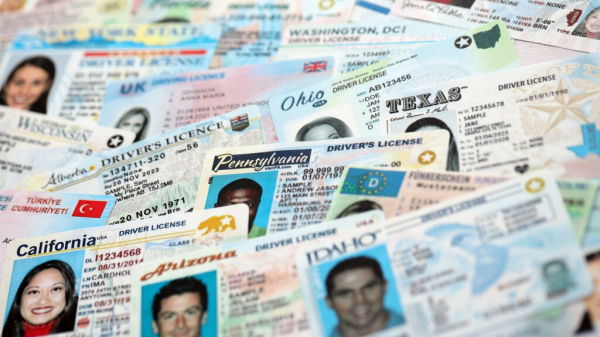
Having your driver’s license suspended or revoked can be life-changing. Many Americans rely on their vehicles to get to work, drive their kids to school, or even to simply visit the grocery store. Our country is vast, and many rural areas lack any kind of reliable public transit, meaning our cars aren’t just a convenience, they’re a necessity. Losing your license can lead to a cascade of consequences that jeopardize employment and financial stability.
There are so many things we should learn about driving that you may not realize how easy it is, in some states, to have your license suspended or revoked. Of course, it depends on the laws in your state, but typically suspensions are to driving violations such as a DUI conviction, driving without insurance, or earning too many points on your license from traffic violations. Drivers also lose their licenses due to certain medical conditions. But some drivers may not know they could risk losing their license for reasons un to driving, such as unpaid debt.
Many states suspend, revoke, or refuse to issue licenses based on debt, such as unpaid traffic tickets, toll bills, and misdemeanor and felony fines and fees un to driving. According to the National Conference of State Legislaturesnearly 11 million drivers in the U.S. have had their licenses suspended due to debt or failure to appear for a court summons. A handful of states have pushed for driver’s license suspension reform, and Massachusetts seeks to join them, with Governor Maura Healey leading the charge.
Some states lead reform
Responsibil
Some teenagers aren’t particularly interested in getting their driver’s licenses, but for many of us, it’s a lifeline. More than 500,000 Massachusetts residents are facing license suspension at the time of writing, a tide that could turn in as little as three months if the state’s policy changes. In late January 2026, Governor Healey announced plans to stop penalizing drivers with license suspensions for debts, including parking tickets and E-ZPass bills, effectively doing away with a practice that doesn’t make much sense and disproportionately impacts lower-income individuals.
Governor Healey said, “Nobody should be forced into poverty or prevented from going to work, school, or doctor’s appointments for not paying a toll or parking ticket.” Her proposal includes debt from sources beyond parking tickets, such as court costs and fees for failing to update your name and address within 30 days of moving, among others.
Studies indicate that suspending an individual’s driver’s license because of debt doesn’t actually lead to debt repayment. In Ohio, for example, only $167 million of $758 million in fees assessed in debt- suspensions from 2016 through 2020 was actually recovered. In 2025, Ohio ended debt-based driver’s license suspensions. In 2017, California was one of the first states to end this controversial practice, restoring 450,000 licenses. Further changes to the law in later years restored more than 400,000 additional licenses. Other states have made similar changes, including Colorado, Maryland, and Michigan, though many states still have laws on the books that allow such suspensions, including Pennsylvania and Florida.