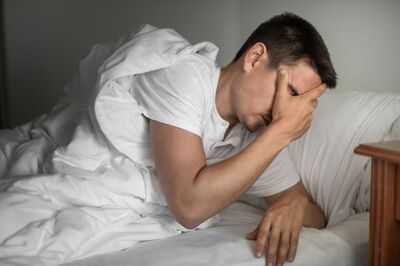
Anyone who has been told they regularly snore loudly at night is urged to speak to a doctor. According to the latest NHS guidelines on its website, people who make a lot of noise in their sleep or wake up frequently because of it should see a GP.
It's normal to snore sometimes, but if you snore a lot or loudly, it might mean there's an issue like sleep apnoea, which "can be serious if it's not diagnosed and treated". The condition occurs when the tissues in your throat vibrate because your airways are too narrow.
Factors like getting older, drinking alcohol, being overweight, or having a stuffy nose can make it worse. Mild snoring isn't usually a cause for concern, but if you snore regularly and feel tired during the day or gasp for air at night, you should see a doctor.
- HMRC State Pension warning as thousands may get less than expected
- Couple ditch 9-5 jobs for caravan living on campsite - and save £2k a month
The NHS says: "Sleep apnoea is when your breathing stops and starts while you sleep. The most common type is called obstructive sleep apnoea (OSA). Sleep apnoea needs to be treated because it can lead to more serious problems."
According to the NHS, symptoms of sleep apnoea mainly happen while you sleep. They include breathing stopping and starting, making gasping, snorting or choking noises, waking up a lot and loud snoring. During the day, you may also feel very tired, find it hard to concentrate, have mood swings and have a headache when you wake up.
It can be tough to know if you have sleep apnoea. You might want to ask someone to stay with you while you sleep so they can watch for symptoms. Another option could be to record yourself when sleeping and listen back to it to check.
The NHS urges people to "see a GP" if they have any of the main symptoms of sleep apnoea. It adds: "If someone else has seen you have the symptoms, it can help to bring them with you to the GP."
Why sleep apnoea can be a worry
Sleep apnoea can also be difficult for your partner and strain your relationship with them. Without treatment, sleep apnoea can lead to other problems, including:
- high blood pressure
- a higher chance of having a stroke
- type 2 diabetes
- heart disease
- depression or mood changes
- a higher chance of having a serious accident caused by tiredness, such as a car accident
- difficulty concentrating at work or school
You may need to tell the DVLA about your sleep apnoea. If sleep apnoea has been confirmed, you must not drive until symptoms like feeling very tired are under control. Check the rules for driving if you have sleep apnoea on GOV.UK.
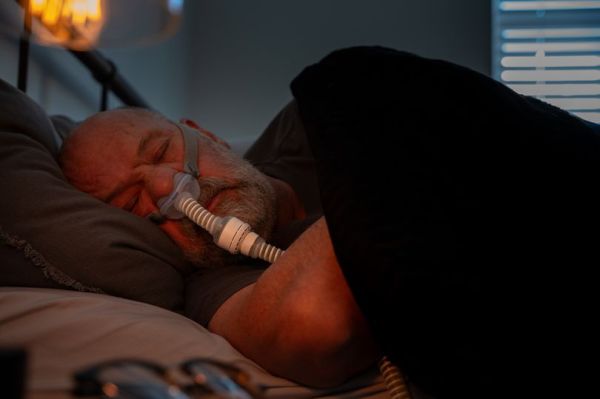
Treatment for sleep apnea, especially Obstructive Sleep Apnea (OSA), aims to keep the airways open while you sleep. The main treatment is called Continuous Positive Airway Pressure (CPAP), which is a machine that uses a mask. Other good options are oral devices, making lifestyle changes like losing weight and drinking less alcohol, positional therapy, and in some cases, surgery.
What causes sleep apnoea?
Sleep apnoea occurs when your airways become too narrow while you sleep. This makes it hard for you to breathe correctly. Sleep apnoea has been linked to:
- obesity
- having a large neck
- getting older – although children and young adults can also get it
- having other family members with sleep apnoea
- smoking and drinking alcohol
- having large tonsils or adenoids
- sleeping on your back
- a condition called chronic obstructive pulmonary disease (COPD)
Lifestyle changes (often effective for mild cases)
- Even slight weight loss can reduce throat constriction.
- Exercise regularly can improve symptoms.
- Sleep on your side or semi-propped up, not on your back, to keep airways open
- Avoid alcohol and sedatives as these relax throat muscles, worsening apnea.
- Smoking makes sleep apnea worse.
- Keep your bedroom dark, quiet, and maintain a consistent sleep schedule.
Medical treatments
The most common and effective treatment is a CPAP (Continuous Positive Airway Pressure). It involves wearing a mask to deliver pressurised air to keep the airway open. Dental devices (like mouthguards) can reposition the jaw or tongue to prevent blockage.
Or there's a Hypoglossal Nerve Stimulator, which is an implant that sends gentle pulses to the tongue nerve to prevent it from blocking the airway. Certain weight-loss drugs (like tirzepatide) are now approved to help with sleep apnea symptoms.
If you have any worries or questions, speak to a doctor. The only way to get a true diagnosis and the treatment you need is by consulting a healthcare professional.
Contact to : xlf550402@gmail.com
Copyright © boyuanhulian 2020 - 2023. All Right Reserved.