
With Easter on the horizon, many Brits will likely jet off abroad for some much-needed sunshine. However, it's crucial to be aware of the rules on returning to England, as a single mistake could result in a hefty fine.
You may be surprised to learn that this pertains to what you're allowed to pack in your suitcase. While there are no restrictions on bringing food items such as bread, biscuits, and chocolate, other products are either banned or require declaration.
Official Government guidance has said: "There are restrictions on bringing meat, dairy, fish and animal products and fruit, vegetables, nuts and seeds into Great Britain from abroad. If you're bringing in any food or animal products protected by the Convention on International Trade in Endangered Species of Wild Fauna and Flora (CITES), you may need to apply for a CITES permit."
- Airport food EU ban extended into 2026 list of 8 items 'could get £5,000 fine'
- M&S brings back popular sweet treat and shoppers are going 'crazy' for it
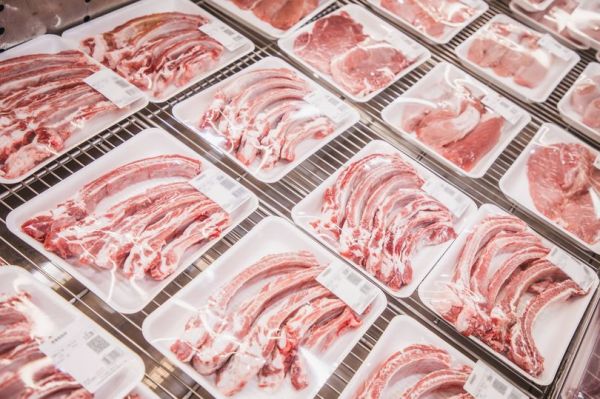
Generally, the rules regarding the importation of meat, dairy, fish, and other animal products into Britain largely depend on their country of origin. At present, there are tight restrictions on importing certain meat or dairy products from any EU country into Great Britain for personal use.
This ban is part of an effort to prevent further spread of animal-related diseases following recent outbreaks in Europe. It specifically applies to the following food items:
- Mutton
- Goat
- Venison
- Other products made from these meats, for example, sausages
- Milk and dairy products like butter, cheese and yoghurt
- Pork
- Beef
- Lamb
However, it is understood that holidaymakers can still bring fish, poultry, eggs, or honey from the EU, Switzerland, Norway, Iceland, Liechtenstein, the Faroe Islands, and Greenland for personal use.
Food restrictions for nations beyond the EU are somewhat more stringent. Existing regulations stipulate that travellers cannot bring back any meat or meat products, or milk or dairy products.

Exemptions do exist, particularly for powdered infant milk, baby food or anything required for medical purposes. Additional Government guidance has also clarified that you may bring in 'up to 2kg per person' of:
- Honey
- Powdered infant milk, infant food, or special food (including pet food) needed for medical reasons - you can only bring it in if it does not need to be refrigerated before use, and is in branded, unopened packaging (unless in current use)
- Shellfish, such as mussels or oysters
- Snails - these must be preserved or shelled, cooked and prepared
- Frogs' legs - these must be the back (hind) part of the frog with the skin and internal organs removed
- Insect meat
Travellers may bring up to '20kg per person in total of fish' too, including:
- Fresh fish - must be gutted
- Fish products
- Processed fish - must be dried, cooked, cured or smoked
- Lobsters
- Prawns
It is vital to understand that the Government also enforces restrictions concerning plant products. Holidaymakers are permitted to transport fruit, vegetables, nuts, and seeds from the EU, Switzerland, or Liechtenstein into the UK.
However, restrictions vary considerably for countries beyond the EU. The Government's advice continued: "You cannot bring in most fruit or vegetables unless you have a 'phytosanitary' (plant health) certificate for them. You can get a certificate from the plant health authorities in the country you're leaving."
Anyone travelling to the UK from countries outside the EU can only take these items back without a certificate:
- Pineapple
- Kiwi
- Coconut
- Citrus fruits, such as oranges, lemons, limes and grapefruit
- Kumquat
- Persimmon
- Durian
- Curry leaves
- Banana and plantain
- Mango
- Dates
- Passion fruit
- Guava
- Processed and packaged plant products, such as packaged salads or frozen plant material
- Peeled and processed nuts or nut butters
- Certain grains, such as rice
"If you declare banned food products to Border Force officers at customs, they'll take them away and destroy them," the Government has added, according tothe Express."If you do not declare banned food products, you could be fined up to £5,000 (in England) or you could be prosecuted.
"Border Force can take away ('seize') your products if they think: you've brought something into the country illegally, you've brought in too much of a restricted product, it's been cross-contaminated, for example with blood from meat - if any clothing or a bag the item's in is contaminated, it'll be destroyed.
"If you're not sure about any of the products you're bringing in, speak to a Border Force officer in the 'red channel' at customs or on the red point phone."
For more information, head to the Government's website here.
What other items face no restrictions?You are allowed to bring the following items into Great Britain from any country without restrictions:
- Bread, but not sandwiches filled with meat or dairy products
- Cakes without fresh cream
- Biscuits
- Chocolate and confectionery, but not those made with a lot of unprocessed dairy ingredients
- Pasta and noodles, but not if mixed or filled with meat or meat products
- Packaged soup, stocks and flavourings
- Processed and packaged plant products, such as packaged salads and frozen plant material
- Food supplements containing small amounts of an animal product, such as fish oil capsules
Contact to : xlf550402@gmail.com
Copyright © boyuanhulian 2020 - 2023. All Right Reserved.