
A cardiology expert has urged people to adopt a simple change to avoid high cholesterol. While not all cholesterol is bad, there are cases where it can be.
Expertsat Nuffield Health say that the 'bad' levels are called low-density lipoprotein (LDL). They explain: "LDL transports fats and cholesterol to the tissues and deposits them in the lining of the arterial walls to form plaque."
Plaque restricts blood flow and increases "our risk of developing high blood pressure, heart disease and stroke. The higher the level of your LDL, the more plaque build-up occurs".
- Supermarket peanut butter crowned 'best for fibre' beating Whole Earth - just £2
- Overshadowed period drama hailed 'better than Bridgerton' is streaming for free
The 'good' levels are called high-density lipoproteins (HDL). "This helps keep our artery walls clean and clear. HDL transports fats and cholesterol to the liver, where it can be processed and removed from the body," they add.
What change can you make?According to the experts, "if you have high cholesterol, there are several things you can do to lower your risk of developing harmful conditions in the long-term".
This includes:
- Improve activity levels
- Eat healthy
- Quit smoking
- Reduce alcohol intake
- Lower your blood pressure
The experts note that people should focus on eating more foods low in problematic fats. So if you are going to try just one, try this one first, as it may be easier to start with from the get-go compared with quitting smoking.
Foods to focus on include:
- Fruits
- Vegetables
- Whole grains
- Meat alternatives
- Seeds and beans
The NHS also says to try to eat more:
- oily fish, like mackerel and salmon
- olive oil, rapeseed oil and spreads made from these oils
- brown rice, wholegrain bread and wholewheat pasta
- nuts and seeds
- fruits and vegetables
It also suggests that people eat less:
- meat pies, sausages and fatty meat
- butter, lard and ghee
- cream and hard cheese, like cheddar
- cakes and biscuits
- food that contains coconut oil or palm oil
You're unlikely to have any symptoms. Instead, you will find out when you get tested. "This is why it's often referred to as a 'silent condition'" and it's why it's "getting your cholesterol checked is so important," warn the experts at Nuffield.
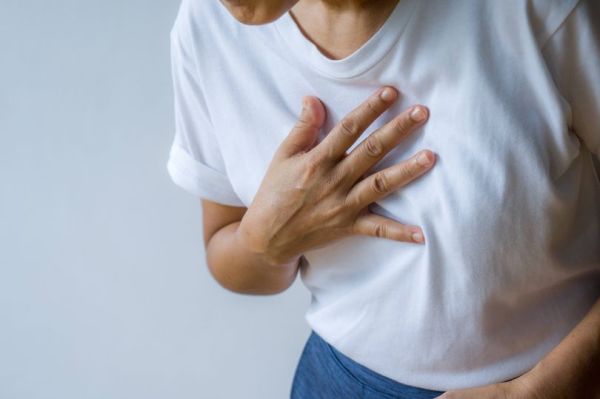
They do, however, add: "You may develop symptoms of diseases associated with a high cholesterol reading, such as chest pain, chest tightness, shortness of breath, or abnormal fatigue and tiredness. On occasion, you may also find cholesterol deposits that are visible in the skin around the eyelids."
Cholesterol in the blood is expressed in millimoles per litre of blood (mmol/L). Total cholesterol should generally not exceed:
- 5mmol/L or less for healthy adults
- 4mmol/L or less for those at high risk
LDL levels should generally not exceed:
- 3mmol/L or less for healthy adults
- 2mmol/L or less for those at high risk
HDL levels should generally be greater than:
- 1mmol/L
Contact to : xlf550402@gmail.com
Copyright © boyuanhulian 2020 - 2023. All Right Reserved.