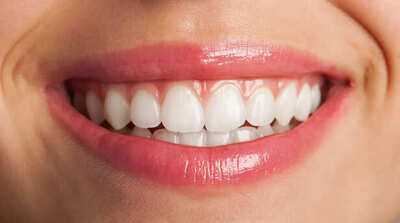
What No One Tells You About DIY Teeth Whitening
DIY teeth whitening has become very popular. Social media, blogs, and home remedy videos make it look simple and natural. Many people try lemon, baking soda, charcoal, or other household items hoping for quick results. What most people do not realize is that whitening teeth at home is not always as safe as it looks. Some methods may damage enamel slowly, and the effects do not show immediately. This is why many people face sensitivity or dull looking teeth later. This article explains what no one really tells you about DIY teeth whitening and how to make smarter, safer choices.
Why DIY Whitening Can Make Teeth More Sensitive

After trying do-it-yourself whitening techniques, many people experience tooth discomfort. This isn't just an accident. When enamel weakens or thins, sensitivity results. Acidic liquids and abrasive washes cause tiny holes on the surface of the teeth to open. This makes it easier for hot, cold, or sweet meals to get to the nerves. Sensitivity might persist for weeks or even months after it begins. Even when the damage has already been done, some people quit whitening. Dentists frequently advise against frequent do-it-yourself teeth whitening because of this. Whitening should make eating and drinking more comfortable, not worse.
The Right Way to Whiten at Home Without Ruining EnamelIf you want to whiten your teeth at home, the key is moderation and method. Gentle approaches work better in the long run. Using fluoride toothpaste, maintaining good oral hygiene, and choosing enamel safe whitening products is important. Avoid daily scrubbing with harsh powders or acids. Limit whitening attempts to once or twice a week at most. Always rinse your mouth well after any whitening method. Drinking water after tea or coffee also helps reduce staining. Safe whitening is not about speed. It is about protecting enamel while improving appearance gradually.
What DIY Remedies Can and Cannot Actually Remove
DIY whitening works mainly on surface stains. These are stains caused by tea, coffee, smoking, or colored foods. Mild methods can reduce these stains slowly if used correctly. However, deep stains are a different matter. These stains are inside the tooth and are caused by aging, medications, or internal changes. No home remedy can change the natural color of your teeth or fix deep discoloration. Many people feel disappointed because they expect bright white results like professional treatments. Understanding this difference helps set realistic expectations and prevents overuse of harsh methods in search of better results.
Habits That Reverse Whitening Without You Noticing
Many people whiten their teeth but unknowingly reverse the results through daily habits. Drinking tea or coffee frequently without rinsing the mouth is one of the biggest reasons. Smoking and chewing tobacco also stain teeth very quickly. Poor brushing habits allow plaque buildup, which makes teeth look dull. Mouth breathing, especially during sleep, dries the mouth and increases staining. Even some mouthwashes can stain teeth over time. Whitening works best when these habits are controlled. Otherwise, no DIY or professional method will last long.
The Smarter Way to Think About Whiter TeethWhiter teeth are not just about whitening products. They are about care, patience, and habits. Brushing properly, flossing, and regular cleaning make a big difference. Small daily steps often give better results than harsh DIY tricks. Instead of chasing instant results, focus on long term tooth health. A healthy smile always looks better than an artificially whitened one with damaged enamel.
Discover expert advice and the latest updates in Skin Care, Hair Care, Wellness, Dermatology, and more at Stay Young guide to lasting beauty and holistic health!
Frequently Asked Questions (FAQs)
1. Is DIY teeth whitening safe for everyone?
DIY teeth whitening is not safe for everyone. People with sensitive teeth, weak enamel, cavities, or gum problems may experience pain or further damage. It is important to understand your dental condition before trying any home method.
2. How often can I safely whiten my teeth at home?
Whitening should not be done daily. Most gentle methods should be limited to once or twice a week. Overuse can weaken enamel and increase sensitivity.
3. Can natural remedies make teeth permanently white?
Natural remedies can help reduce surface stains, ins but they cannot change the natural color of your teeth. Deep stains and discoloration usually need professional treatment.
4. Why do my teeth look yellow again after whitening?
Teeth can appear yellow again due to daily habits like drinking tea or coffee, smoking, poor oral hygiene, ne, or enamel thinning caused by harsh whitening methods.
5. What is the safest way to maintain whiter teeth at home?
Good brushing habits, regular flossing, rinsing after staining foods, drinking water often, and avoiding harsh DIY methods help maintain a brighter smile safely.
Why DIY Whitening Can Make Teeth More Sensitive
DIY teeth whitening can weaken enamel and expose tooth nerves, leading to ongoing discomfort while eating hot, cold, or sweet foods.
After trying do-it-yourself whitening techniques, many people experience tooth discomfort. This isn't just an accident. When enamel weakens or thins, sensitivity results. Acidic liquids and abrasive washes cause tiny holes on the surface of the teeth to open. This makes it easier for hot, cold, or sweet meals to get to the nerves. Sensitivity might persist for weeks or even months after it begins. Even when the damage has already been done, some people quit whitening. Dentists frequently advise against frequent do-it-yourself teeth whitening because of this. Whitening should make eating and drinking more comfortable, not worse.
The Right Way to Whiten at Home Without Ruining EnamelIf you want to whiten your teeth at home, the key is moderation and method. Gentle approaches work better in the long run. Using fluoride toothpaste, maintaining good oral hygiene, and choosing enamel safe whitening products is important. Avoid daily scrubbing with harsh powders or acids. Limit whitening attempts to once or twice a week at most. Always rinse your mouth well after any whitening method. Drinking water after tea or coffee also helps reduce staining. Safe whitening is not about speed. It is about protecting enamel while improving appearance gradually.
What DIY Remedies Can and Cannot Actually Remove
DIY whitening can reduce surface stains from food and drinks, but it cannot change the natural tooth color or remove deep internal discoloration.
DIY whitening works mainly on surface stains. These are stains caused by tea, coffee, smoking, or colored foods. Mild methods can reduce these stains slowly if used correctly. However, deep stains are a different matter. These stains are inside the tooth and are caused by aging, medications, or internal changes. No home remedy can change the natural color of your teeth or fix deep discoloration. Many people feel disappointed because they expect bright white results like professional treatments. Understanding this difference helps set realistic expectations and prevents overuse of harsh methods in search of better results.
Habits That Reverse Whitening Without You Noticing
Daily habits like frequent tea or coffee intake, smoking, poor brushing, and mouth breathing can quickly reverse teeth whitening results.
Many people whiten their teeth but unknowingly reverse the results through daily habits. Drinking tea or coffee frequently without rinsing the mouth is one of the biggest reasons. Smoking and chewing tobacco also stain teeth very quickly. Poor brushing habits allow plaque buildup, which makes teeth look dull. Mouth breathing, especially during sleep, dries the mouth and increases staining. Even some mouthwashes can stain teeth over time. Whitening works best when these habits are controlled. Otherwise, no DIY or professional method will last long.
The Smarter Way to Think About Whiter TeethWhiter teeth are not just about whitening products. They are about care, patience, and habits. Brushing properly, flossing, and regular cleaning make a big difference. Small daily steps often give better results than harsh DIY tricks. Instead of chasing instant results, focus on long term tooth health. A healthy smile always looks better than an artificially whitened one with damaged enamel.
Discover expert advice and the latest updates in Skin Care, Hair Care, Wellness, Dermatology, and more at Stay Young guide to lasting beauty and holistic health!
Frequently Asked Questions (FAQs)
1. Is DIY teeth whitening safe for everyone?
DIY teeth whitening is not safe for everyone. People with sensitive teeth, weak enamel, cavities, or gum problems may experience pain or further damage. It is important to understand your dental condition before trying any home method.
2. How often can I safely whiten my teeth at home?
Whitening should not be done daily. Most gentle methods should be limited to once or twice a week. Overuse can weaken enamel and increase sensitivity.
3. Can natural remedies make teeth permanently white?
Natural remedies can help reduce surface stains, ins but they cannot change the natural color of your teeth. Deep stains and discoloration usually need professional treatment.
4. Why do my teeth look yellow again after whitening?
Teeth can appear yellow again due to daily habits like drinking tea or coffee, smoking, poor oral hygiene, ne, or enamel thinning caused by harsh whitening methods.
5. What is the safest way to maintain whiter teeth at home?
Good brushing habits, regular flossing, rinsing after staining foods, drinking water often, and avoiding harsh DIY methods help maintain a brighter smile safely.
Contact to : xlf550402@gmail.com
Copyright © boyuanhulian 2020 - 2023. All Right Reserved.