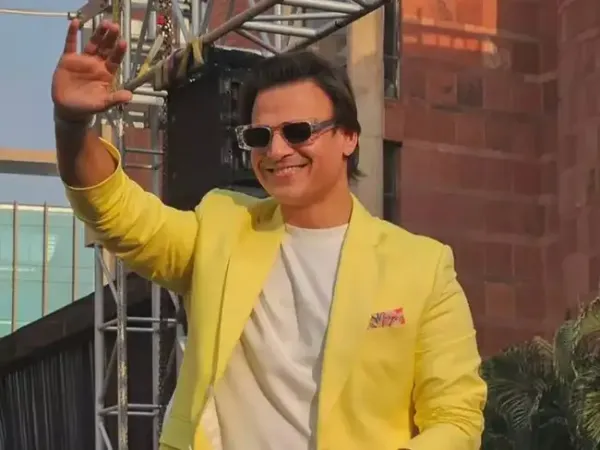
With the rise of artificial intelligence, deepfake videos and fake social media accounts, Indian celebrities are increasingly turning to the courts to safeguard their identities. Actor and entrepreneur Vivek Oberoi has now joined that list. In a recent ruling, the Delhi High Court granted him interim protection, restraining multiple entities from using his name, image, voice or likeness without his consent.
Delhi HC protects Vivek Oberoi's personality rights
According to the PTI report, the order was passed by Justice Tushar Rao Gedela on February 5, following a lawsuit filed by Vivek Oberoi against several unidentified entities and online platforms. The actor approached the court after alleging widespread misuse of his personality across digital spaces, particularly through morphed images and AI-generated videos circulating on social media.
In its observations, the court acknowledged Vivek as a well-known and widely accepted public figure with substantial goodwill. Justice Gedela noted that failing to grant immediate relief could result in serious and irreversible damage to his reputation. The judge held that the actor has a legal right to protect his personality and all its associated attributes from unauthorised use.
The court also made an important observation on personality rights, stating that an individual effectively holds a form of copyright over their own identity. This includes their name, image, voice, likeness and even signature. The judge emphasised that Vivek Oberoi’s long-standing career in films and his public recognition clearly establish his commercial and personal value, which cannot be misappropriated by others.
As part of the interim order, the Delhi High Court restrained the defendants from exploiting Vivek Oberoi’s identity for either commercial or personal gain. The restriction extends to the use of emerging technologies such as artificial intelligence, deepfakes and face-morphing tools. The court also prohibited the creation, sale or circulation of unauthorised merchandise, including T-shirts, posters and similar products bearing his name or image.
Taking note of the scale of online misuse, the court directed digital platforms such as YouTube, Meta Platforms and X Corp to remove all infringing content and links within 72 hours. This step, the court noted, was necessary to prevent further spread of harmful material and to minimise damage to Oberoi’s public image.
In his plea, Vivek Oberoi informed the court that multiple false accounts were impersonating him on sites such as Instagram. According to the lawsuit, these accounts shared altered and AI-generated videos that purportedly depicted him in misleading and indecent positions. Oberoi claimed that such a video was deceptive, rude, and may harm his reputation while also causing the public to believe the visuals were real.
The lawsuit further stated that some of these videos targeted his personal and family life, making the misuse particularly harmful. Apart from his acting career, Vivek Oberoi pointed out that he has built a strong business presence in India and Dubai. The unauthorised use of his identity, he argued, not only affects his image as an actor but also undermines his credibility as an entrepreneur. The court took note of this submission.
With this ruling, Vivek Oberoi joins a growing list of renowned celebrities who have sought and received judicial protection against personality rights violations. Personalities such as Aishwarya Rai Bachchan, Abhishek Bachchan, Salman Khan, Amitabh Bachchan and R Madhavan have previously secured similar interim relief from the Delhi High Court.
Delhi HC protects Vivek Oberoi's personality rights
According to the PTI report, the order was passed by Justice Tushar Rao Gedela on February 5, following a lawsuit filed by Vivek Oberoi against several unidentified entities and online platforms. The actor approached the court after alleging widespread misuse of his personality across digital spaces, particularly through morphed images and AI-generated videos circulating on social media.In its observations, the court acknowledged Vivek as a well-known and widely accepted public figure with substantial goodwill. Justice Gedela noted that failing to grant immediate relief could result in serious and irreversible damage to his reputation. The judge held that the actor has a legal right to protect his personality and all its associated attributes from unauthorised use.
The court also made an important observation on personality rights, stating that an individual effectively holds a form of copyright over their own identity. This includes their name, image, voice, likeness and even signature. The judge emphasised that Vivek Oberoi’s long-standing career in films and his public recognition clearly establish his commercial and personal value, which cannot be misappropriated by others.
As part of the interim order, the Delhi High Court restrained the defendants from exploiting Vivek Oberoi’s identity for either commercial or personal gain. The restriction extends to the use of emerging technologies such as artificial intelligence, deepfakes and face-morphing tools. The court also prohibited the creation, sale or circulation of unauthorised merchandise, including T-shirts, posters and similar products bearing his name or image.
Taking note of the scale of online misuse, the court directed digital platforms such as YouTube, Meta Platforms and X Corp to remove all infringing content and links within 72 hours. This step, the court noted, was necessary to prevent further spread of harmful material and to minimise damage to Oberoi’s public image.
In his plea, Vivek Oberoi informed the court that multiple false accounts were impersonating him on sites such as Instagram. According to the lawsuit, these accounts shared altered and AI-generated videos that purportedly depicted him in misleading and indecent positions. Oberoi claimed that such a video was deceptive, rude, and may harm his reputation while also causing the public to believe the visuals were real.
The lawsuit further stated that some of these videos targeted his personal and family life, making the misuse particularly harmful. Apart from his acting career, Vivek Oberoi pointed out that he has built a strong business presence in India and Dubai. The unauthorised use of his identity, he argued, not only affects his image as an actor but also undermines his credibility as an entrepreneur. The court took note of this submission.
With this ruling, Vivek Oberoi joins a growing list of renowned celebrities who have sought and received judicial protection against personality rights violations. Personalities such as Aishwarya Rai Bachchan, Abhishek Bachchan, Salman Khan, Amitabh Bachchan and R Madhavan have previously secured similar interim relief from the Delhi High Court.