
The NHS website offers a wide range of advice for anyone struggling with common health problems. People who struggle with stomach cramps and bloating in particular may find relief by following a two hour 'rule' when taking peppermint oil.
According to the NHS, peppermint oil is commonly used to treat irritable bowel syndrome (IBS). The antispasmodic medicine, often known by brand names such as Apercap, Colomint and Mintec, can help ease symptoms, such as stomach cramps, bloating and passing wind.
However, people taking peppermint oil should be aware of the NHS' 'two-hour' guidance. It instructs people to 'leave a gap of at least two hours between taking a dose of peppermint oil and taking an indigestion medicine.'
- Mary Berry's easy cheesy chicken bake recipe is perfect for midweek dinners
- 'Supercharge' paracetamol relief with common drink that 'boosts effectiveness'
Advice on the NHS website explains: "Peppermint oil works by relaxing the muscle in your bowel. This helps relieve the pain of stomach cramps and eases bloating and farting. It will start to work within a few hours but it could take up to one to two weeks to work fully. Keep taking peppermint oil until your symptoms improve.
"Leave a gap of at least two hours between taking a dose of peppermint oil and taking an indigestion medicine. This allows the peppermint oil capsules to work properly."
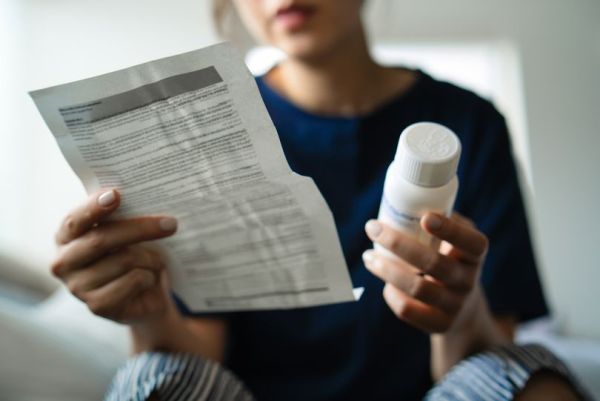
Peppermint oil can be purchased from a pharmacy, but it is also available on prescription. If you buy peppermint oil, the NHS says you should not take it for more than two weeks without checking with a doctor, and you should always follow the instructions provided with the capsules. It's usually advised to take peppermint oil around 30 to 60 minutes before food.
While people may find relief from uncomfortable symptoms, such as bloating, using peppermint oil, the NHS says there are possible side effects, such as heartburn, that could affect IBS, and you should speak to your doctor about any concerns you may have.
Who can take peppermint oil?
Most adults can take peppermint oil capsules to help with their digestive issues, but it is not suitable for everyone. The NHS says you should seek advice from a pharmacist or doctor before taking the medicine if:
- have ever had an allergic reaction to peppermint oil, aspirin or any other medicine
- have liver disease or gallstones
- weigh less than 40kg (around 6st 5lbs) or are losing weight
- are allergic to peanuts, peanut oil or soya (some brands contain arachis oil, so it's best to avoid those brands)
- are 40 or over and have IBS, but have not had an attack for a while
- have noticed that the symptoms you were taking peppermint oil for have changed
- have noticed blood when you poo
- have abnormal vaginal bleeding or discharge
- have difficulty or pain when peeing
- feel sick (nausea) or are being sick (vomiting)
- look paler than your usual skin tone, and feel tired
- have recently had a high temperature
- are pregnant, or think you may be pregnant
- have digestive problems such as reflux disease, severe constipation or ulcerative colitis
- have never had stomach cramps before
- have recently travelled abroad

Always speak to your doctor or pharmacist if you have any concerns about your health or new medicines. More advice is available on the NHS website.
Contact to : xlf550402@gmail.com
Copyright © boyuanhulian 2020 - 2023. All Right Reserved.