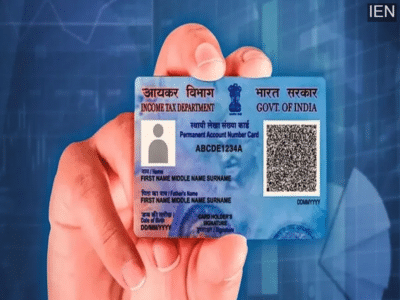
The Indian government has released the Draft Income Tax Rules 2026, proposing several significant changes aimed at simplifying compliance and reducing the burden on taxpayers. These proposed amendments are being widely seen as a major step toward the government’s broader goals of “Ease of Living” for citizens and “Ease of Doing Business” for enterprises.
One of the most talked-about proposals in the draft rules is the increase in the PAN card disclosure limit, under which individuals may no longer be required to share PAN details for certain financial transactions up to a higher amount. According to the draft, the existing threshold is proposed to be raised to ₹20 lakh, offering substantial relief, especially for high-value but routine transactions.
What Is Changing Under the Draft Income Tax Rules 2026?
Under current income tax norms, quoting a Permanent Account Number (PAN) is mandatory for several specified financial transactions once they cross a prescribed value. These rules were originally designed to improve tax compliance and track high-value transactions.
However, the government now believes that some of these requirements may have become overly burdensome for ordinary taxpayers. The Draft Income Tax Rules 2026 propose revising these limits to strike a better balance between transparency and convenience.
The most notable change is the proposal to increase the PAN reporting threshold to ₹20 lakh for certain transactions, reducing the need for frequent PAN disclosures in cases where the risk of tax evasion is relatively low.
Why the PAN Limit Increase Matters
The proposed increase in the PAN threshold could have a meaningful impact on day-to-day financial activities. Many individuals currently need to provide PAN details even for transactions that are not linked to long-term investments or taxable income.
With the revised limit:
-
Fewer transactions will require mandatory PAN disclosure
-
Documentation and paperwork could be significantly reduced
-
Compliance will become simpler for individuals and small businesses
This move is expected to particularly benefit middle-class taxpayers who engage in occasional high-value purchases but are otherwise fully tax-compliant.
Impact on High-Value Transactions and Purchases
One area where the change could be most noticeable is vehicle purchases, especially cars. At present, buyers often need to provide PAN details even when purchasing mid-range vehicles. If the proposed ₹20 lakh threshold is finalized, PAN disclosure during car purchases may only apply once the transaction crosses the new limit.
Similarly, other high-value financial dealings—where PAN was earlier mandatory at lower thresholds—may now fall outside compulsory reporting requirements. This could streamline processes at dealerships, financial institutions, and service providers.
That said, authorities are expected to continue monitoring transactions through other regulatory mechanisms to ensure that tax compliance is not compromised.
Draft Rules: Not Final Yet
It is important to note that these changes are still at the draft stage. The government has released the proposed rules to invite feedback from stakeholders, including taxpayers, professionals, and industry bodies.
Only after reviewing suggestions and concerns will the final version of the Income Tax Rules 2026 be notified. Until then, existing PAN requirements remain unchanged, and taxpayers should continue to follow current regulations.
Government’s Broader Objective Behind the Changes
The proposed amendments reflect the government’s intent to modernize the tax system by:
-
Reducing unnecessary compliance for honest taxpayers
-
Encouraging voluntary tax compliance
-
Making rules more practical and user-friendly
-
Supporting smoother economic activity
By easing PAN-related requirements without weakening oversight, policymakers aim to improve trust between taxpayers and the tax administration.
What Taxpayers Should Do Now
For now, taxpayers should stay informed and keep an eye on official notifications. If the draft rules are finalized in their current form, individuals may benefit from:
-
Less documentation during large purchases
-
Simplified financial transactions
-
Reduced compliance-related stress
However, accurate income reporting and adherence to tax laws will remain mandatory, regardless of PAN disclosure thresholds.
Final Takeaway
The Draft Income Tax Rules 2026 signal a shift toward a more practical and citizen-friendly tax regime. The proposed increase in the PAN card limit to ₹20 lakh could significantly ease compliance for many taxpayers, particularly in high-value purchase scenarios like vehicle buying.
While the final shape of the rules is yet to be confirmed, the intent is clear: simplify the tax system without compromising transparency. If implemented, these changes could mark a meaningful improvement in how individuals interact with India’s income tax framework in the coming years.
Contact to : xlf550402@gmail.com
Copyright © boyuanhulian 2020 - 2023. All Right Reserved.