
A gym favourite could offer fresh hope for millions battling Alzheimer's disease, according to scientists and neurophysiologists. Creatine - a popular supplement often written off as merely for bodybuilders - is now garnering serious interest for its potential effects on brain health.
Neurophysiologist and human performance coach Louisa Nichola championed the benefits of creatine during her appearance on The Diary of a CEO podcast in early February. She revealed to Steven Bartlett that she believes it has "so much benefit", and that she personally gives it to her 71-year-old parents to support not only their physical but also their neurophysiological wellbeing.
Creatine is a naturally occurring molecule manufactured in the liver and present in foods such as red meat and fish. However, supplementation can boost stores beyond what typical diets deliver, researchers say.
- Football Manager 26 feature fans begged for is finally back in new update
- Gavin and Stacey star says 'no one prepares you for it' after devastating family ordeal
Supplementation is renowned for enhancing cellular energy by raising phosphocreatine levels, which aids in regenerating ATP, the body's main energy molecule - a process that can benefit both muscle and brain cells.
Verywell Health notes that whilst creatine is celebrated for muscle performance, it also raises brain creatine levels by up to 15 per cent and may improve cognitive function, particularly under stress.
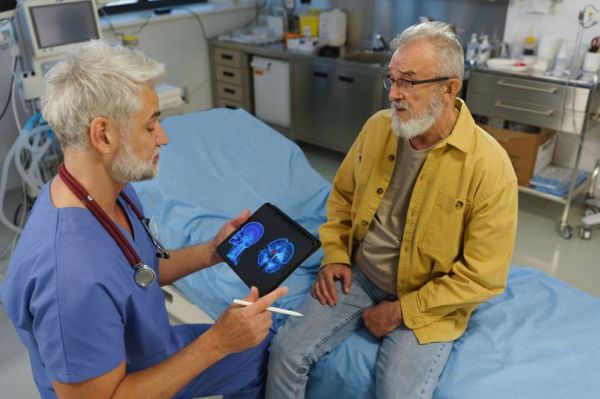
An eight-week pilot study was published in Alzheimer's & Dementia: Translational Research & Clinical Interventions in May 2025. In a recent study, Alzheimer's patients who consumed 20 grams of creatine monohydrate daily experienced an 11% boost in total brain creatine levels.
This increase was associated with noticeable enhancements in cognitive functions such as working memory, attention, and executive functioning. Participants demonstrated improved performance on cognitive assessments, including sorting and reading tasks, following supplementation.
Nichola said: "These patients not only preserved their cognitive functions, but they had more energy, and they were able to exercise more. It can protect your brain against a concussion, it can protect your brain against a stroke, and it can protect your brain from stress."
Researchers highlighted the high compliance and significant biochemical changes, suggesting that creatine might support brain energy metabolism, which is often compromised in Alzheimer's.
However, experts emphasise that these findings are still in the early stages, and Dr Oracle cautions that there isn't enough evidence to recommend creatine for outright prevention of dementia or cognitive decline.
Research from PubMed indicates that creatine helps maintain energy balance in neurons, potentially reducing neuroinflammation and oxidative stress - both crucial factors in Alzheimer's.
Whilst creatine isn't a substitute for approved Alzheimer's treatments, mounting evidence indicates this budget-friendly supplement might bolster brain health and could eventually become part of wider therapeutic approaches.
Contact to : xlf550402@gmail.com
Copyright © boyuanhulian 2020 - 2023. All Right Reserved.