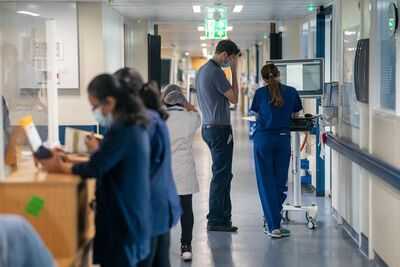
The NHS waiting list is at its lowest in almost three years, but waits in A&Eare still rising, with vulnerable patients at the "greatest risk of harm".
The treatment backlogin England fell again in January to 7.29 million which is its lowest since February 2023. The backlog of appointments for everything from hip and knee operations to cataracts fell by 18,000 last month. It comes after a fall of 86,000 appointments the month before which was the biggest drop in 15 years outside of the pandemic.
The NHS elective waiting list for England had been on an upward trend for over a decade, passing three million treatments in 2014, four million in 2017, five million in 2021 and peaking at 7.8 million in 2023.
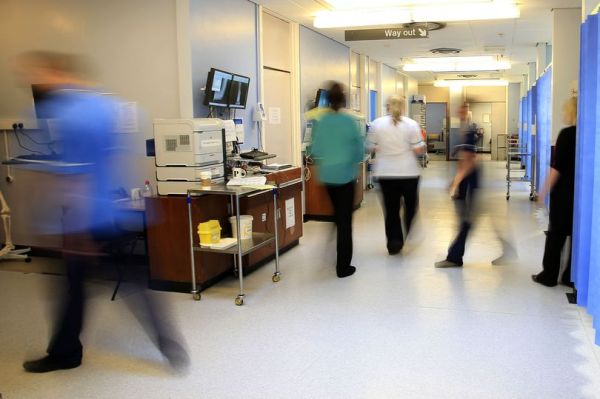
• NHS to overhaul A&E in bid to end patients left waiting for care in corridors
• Thousands of nurses to get pay rise after being 'undervalued' by NHS for years
Despite this historic turnaround under Labour, waits to be seen in A&Es are still growing and a record number of people are waiting over 12 hours. Health Secretary Wes Streeting said: "Despite having to deal with flu and industrial action, the NHS has managed to continue cutting waiting lists, thanks to a Herculean effort this winter.
"This Government has cut waiting lists by more than 330,000, with hundreds of thousands more people treated within 18 weeks. That's not happening by chance - it's because we delivered record levels of care in 2025.
"Whether it's by opening up new community diagnostic centres, rolling out surgical hubs to tackle backlogs, or investing in modern equipment and technology, we are rebuilding our NHS. There's so much more to do, but people can take hope and optimism from the fact that the NHS is finally on the road to recovery."
The number waiting at least four hours in A&E from a decision to admit to actually being admitted stood at 161,141 last month, up from 137,763 in December and the second highest figure on record. The number of people waiting more than 12 hours for a hospital bed following a decision to admit them stood at 71,517 in January, up sharply from 50,775 in December. This is the highest number since monthly records began in August 2010.
Dr Vicky Price, president of the Society for Acute Medicine, said: "These are people unwell enough to need admission, often older and frail with complex needs, who are at the greatest risk of harm when care is being delivered in corridors and hospitals are operating beyond safe limits. The overcrowding we are seeing in emergency departments reflects sustained pressure in acute medical wards and throughout hospitals, where bed capacity has fallen, staffing is stretched and flow is routinely blocked.
"Financial constraints are now compounding the problem. Hospitals are being asked to deliver more activity with the same or fewer staff, while ward closures and vacancy gaps reduce the system's ability to absorb pressure. That is not a performance issue but a capacity issue.”
Rory Deighton, director at NHS Providers and the NHS Confederation, said: “NHS leaders and their teams have been working incredibly hard to meet rising demand and tackle care backlogs, so it is very welcome to see this starting to pay off through greater productivity and falling waiting lists. But while the continued drop in seasonal viruses is good news, the NHS remains under immense pressure, with A&Es seeing record numbers of attendances last month and ambulances facing record levels of incidents.”
Contact to : xlf550402@gmail.com
Copyright © boyuanhulian 2020 - 2023. All Right Reserved.