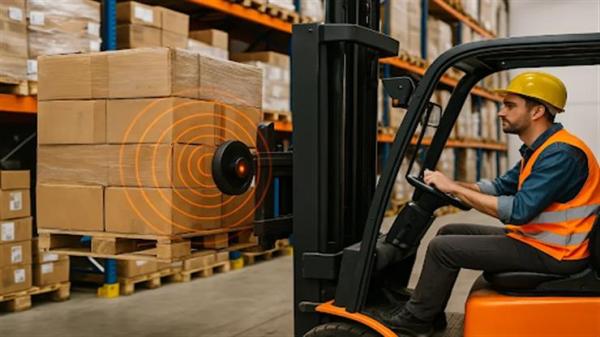
Every safe warehouse begins with respect for limits. Warehouse handling equipment works under heavy pressure every day. Loads move fast, spaces stay tight, and people work close to machines. When capacity and stability are ignored, risks rise quickly. Understanding these two factors protects workers, inventory, and operations. It also keeps productivity steady during busy shifts.
What load capacity means in warehouse operations
Load capacity is the maximum weight a machine can lift or carry safely. This limit is set by design and engineering. It considers the frame, tyres, hydraulics and counterweight. Exceeding this limit strains every component. Over time, even small overloads weaken equipment.
Key elements that affect load capacity include:
- Rated lifting weight
- Load centre distance
- Lift height
- Attachment type
- Surface conditions
Operators must know these limits before moving any pallet.
Why stability matters just as much as capacity
Stability describes how well equipment stays balanced during movement. Even a load within capacity can cause danger if poorly positioned. Forklifts carry loads in front, not inside their footprint. This makes balance more sensitive.
Stability depends on:
- Load shape and size
- Weight distribution on forks
- Travel speed and turning angle
- Floor level and gradients
A stable load keeps all wheels firmly grounded. Loss of balance leads to tipping and loss of control.
Understanding balance points in forklift trucks
Fork trucks operate around a balance point near the front wheels. This point acts like a pivot. The load pulls forward, while the counterweight pulls backward. If the load force exceeds the counterweight force, tipping occurs.
Side balance also matters. Loads placed unevenly can shift sideways. This pushes the centre of gravity outside the safe zone. Once that happens, recovery becomes difficult.
Common risks caused by ignoring limits
Ignoring capacity and stability creates serious hazards.
Major risks include:
- Forward or sideways tip overs
- Dropped loads damaging goods
- Loss of steering or braking
- Collisions with racking or people
- Equipment damage and downtime
These risks grow during peak seasons when speed increases.
How load position changes stability
Load position matters as much as load weight. A pallet placed farther from the backrest increases leverage. This reduces safe lifting capacity. Wide or tall loads also raise the centre of gravity.
Safe positioning rules include:
- Keep loads tight against the backrest
- Centre the load evenly on forks
- Avoid tilted or leaning pallets
- Use correct attachments for odd loads
Simple habits prevent major incidents.
Impact of speed and movement on stability
Movement changes stability instantly. Sudden braking shifts the weight forward. Sharp turns shift the weight sideways. Driving fast with raised forks increases risk.
To maintain control:
- Travel with forks low
- Brake early and smoothly
- Turn slowly with wide arcs
- Avoid sudden acceleration
These actions keep the centre of gravity within safe limits.
The role of training in safe equipment use
Training builds awareness of limits. Certified operators understand data plates and load charts. They also learn how different loads behave during movement.
Training should cover:
- Reading capacity plates
- Understanding load centres
- Safe driving techniques
- Handling ramps and slopes
- Managing unusual loads
Well-trained operators reduce accidents significantly.
Racking interaction and load safety
Fork trucks interact closely with racking systems. Overloaded or unstable pallets increase impact risk. Even light contact can damage uprights or beams.
Safe interaction requires:
- Correct pallet weight checks
- Even placement on beams
- Avoiding impact during placement
- Clear aisle visibility
Stable handling protects both equipment and storage structures.
Why renting equipment demands extra awareness
Rental equipment often supports temporary demand. Operators may be unfamiliar with the specific model. This increases the importance of checking limits.
When using a rental fork truck, teams must:
- Review the data plate carefully
- Match the truck to load requirements
- Avoid pushing limits to save time
- Request guidance when unsure
Rental flexibility helps only when safety remains a priority. Many warehouses choose diesel forklift to manage heavier loads. Such equipment supports stable lifting when used within rated limits. In India, warehouse equipment rental companies like Godrej RenTRUST can provide such machines on rent without hassle.
Best practices to maintain safe capacity and stability
Daily discipline keeps equipment safe.
Recommended practices include:
- Check load weights before lifting
- Inspect pallets for damage
- Keep travel paths clear
- Follow marked speed limits
- Report any handling issues immediately
Small checks prevent large failures.
Conclusion
Capacity and balance are not abstract ideas. They define safe movement every minute. Warehouse handling equipment performs best when limits are respected. Stability protects people and goods from sudden harm. When operators understand these principles, accidents reduce and confidence grows. Whether equipment is owned or rented, safe handling creates a reliable flow. A warehouse that respects capacity works smoothly, even under pressure.
Contact to : xlf550402@gmail.com
Copyright © boyuanhulian 2020 - 2023. All Right Reserved.