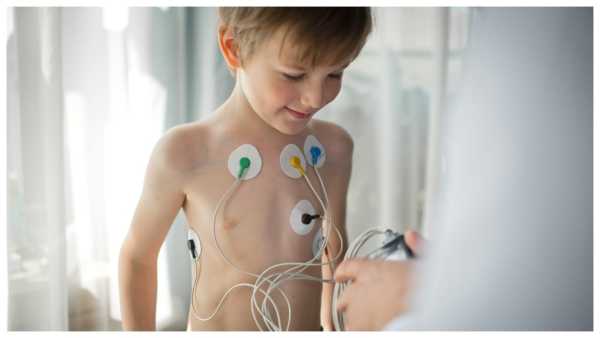
New Delhi: Congenital heart disease (CHD) is among the most common birth defects worldwide, affecting nearly one in every 100 newborns. While modern medicine has made remarkable progress in diagnosing and treating heart defects, early detection and forward-looking medical planning remain the cornerstone of improving survival and quality of life. As we observe Congenital Heart Disease Awareness Week, it is important to recognize how newborn screening and stem cell preservation.
In an interaction with News9Live, Dr. Aditi Kundoo, Medical Director, Cryoviva Life Science, spoke about the role of stem cell preservation in children’s long-term well-being.
The Critical Role of Early Detection at Birth
Many congenital heart defects are not immediately visible at birth. A newborn may appear healthy while experiencing complications such as low oxygen levels or abnormal blood circulation. Newborn screening tools, including pulse oximetry and echocardiography, help clinicians detect serious cardiac conditions within the first 24 to 48 hours of life.
Early diagnosis allows medical or surgical intervention, significantly reducing the risk of life-threatening complications. Prompt treatment can also prevent irreversible damage to vital organs such as the brain and lungs. Importantly, early identification empowers parents to prepare emotionally, medically, and logistically rather than responding to emergencies later in infancy.
Living with CHD: A Lifelong Journey, Not a Childhood Condition
Congenital heart disease is no longer confined to childhood. Advances in cardiac care have enabled many children with CHD to survive well into adulthood, but they need lifelong medical oversight and short-term treatment strategies. Children born with CHD require multiple surgeries, ongoing medication, and continuous clinical monitoring. Beyond medical care, physical growth, emotional well-being, and educational development. In this evolving landscape, regenerative medicine and emerging innovations offer promising new avenues to long-term outcomes.
Stem Cell Preservation: A Forward-Thinking Medical Safeguard
Preserving stem cells at birth provides families with access to a powerful biological resource that may play a role in future medical treatments. Umbilical cord blood and cord tissue are rich sources of stem cells capable of repairing and regenerating damaged tissues, including cardiac muscle.
For children diagnosed with CHD, stored stem cells may support advanced therapies designed to repair heart tissue following surgery, reduce inflammation and scarring, accelerate recovery from complications, and improve long-term cardiac function. Stem cell-based therapies in cardiology: current research shows meaningful promise in restoring heart function and minimising long-term damage. Preserving these cells at birth ensures access to a child’s genetically matched, readily available regenerative resource as innovative therapies become more widely accessible.
Integrating Screening and Stem Cell Preservation for Comprehensive Care
Newborn screening and stem cell preservation should not be viewed as isolated interventions. Instead, they represent complementary components of preventive healthcare. Screening enables early identification of risk, while preservation equips families for future therapeutic possibilities—together forming a continuum of care that extends from infancy into adulthood.
The journey of a child born with congenital heart disease does not end after surgery; it continues throughout life. Early diagnosis through newborn screening, combined with the foresight of stem cell preservation, can profoundly influence long-term health and resilience—offering hope for stronger, healthier futures.
Contact to : xlf550402@gmail.com
Copyright © boyuanhulian 2020 - 2023. All Right Reserved.